
 English
 中文简体
中文简体 русский
 Español
 عربى
عربى
Understanding the Core Distinction
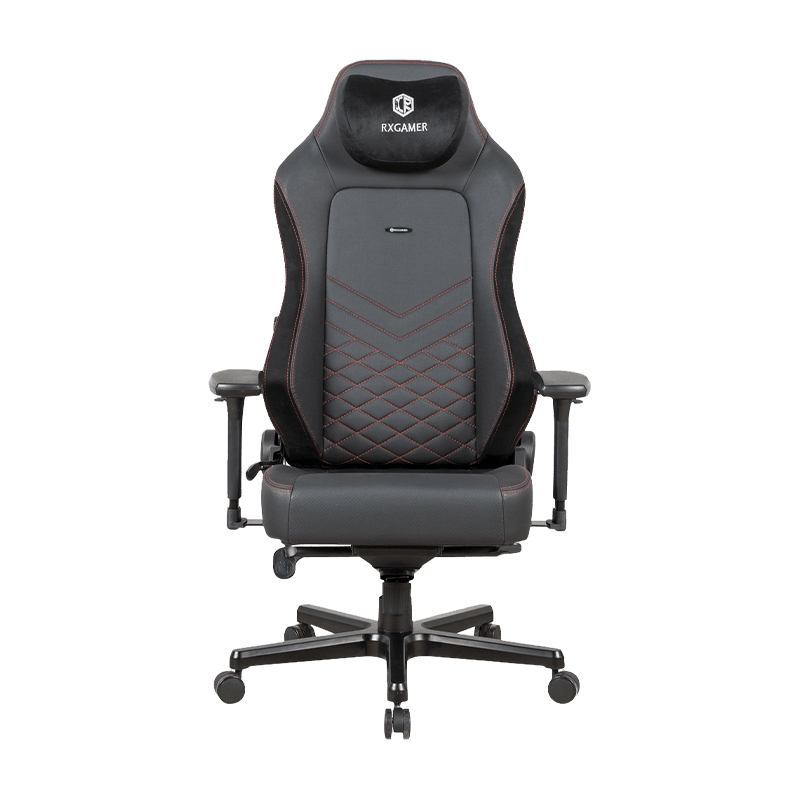
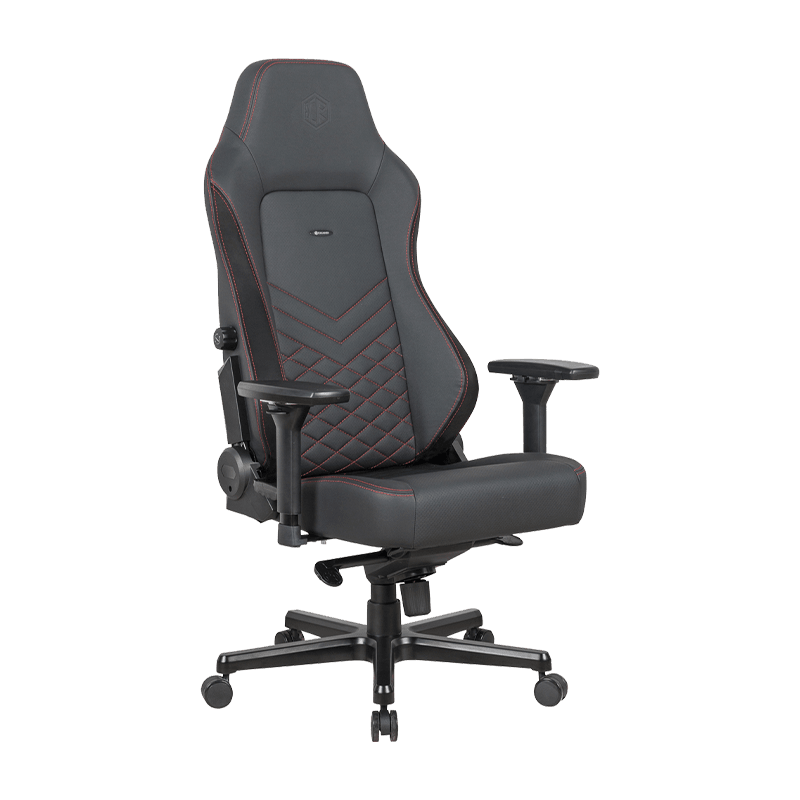
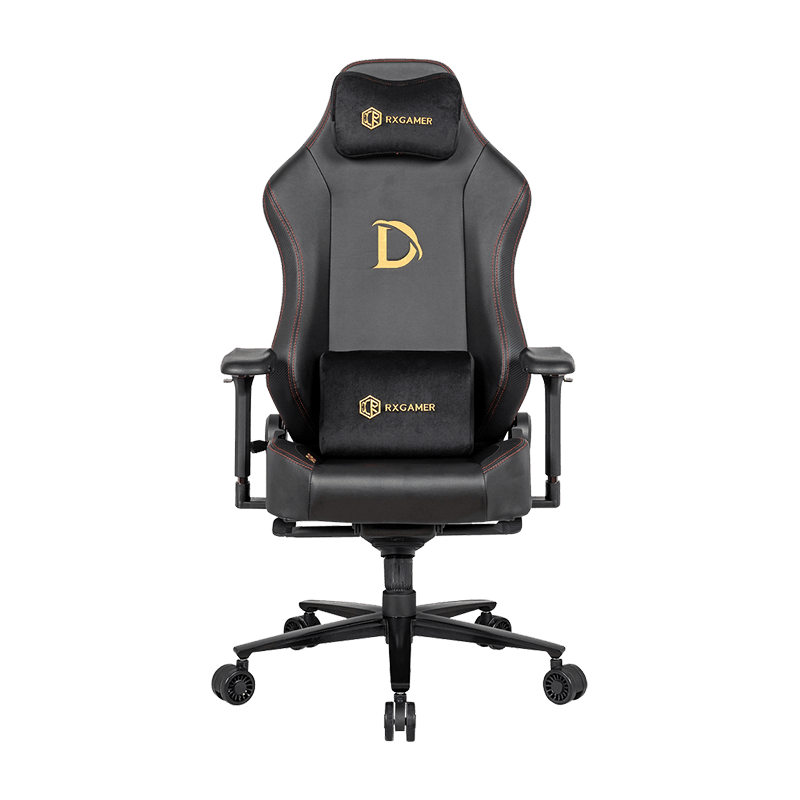
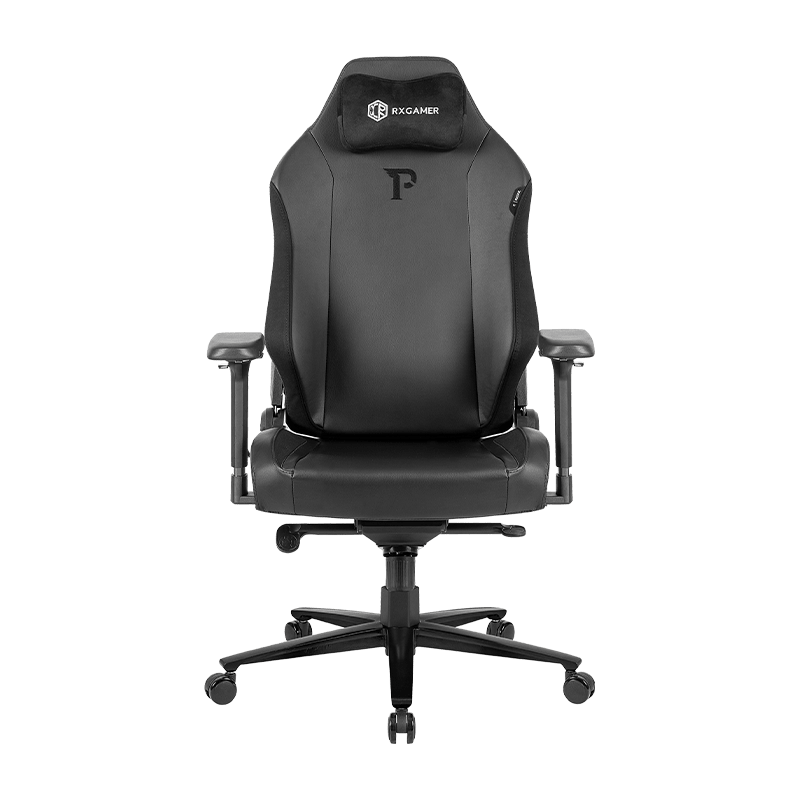
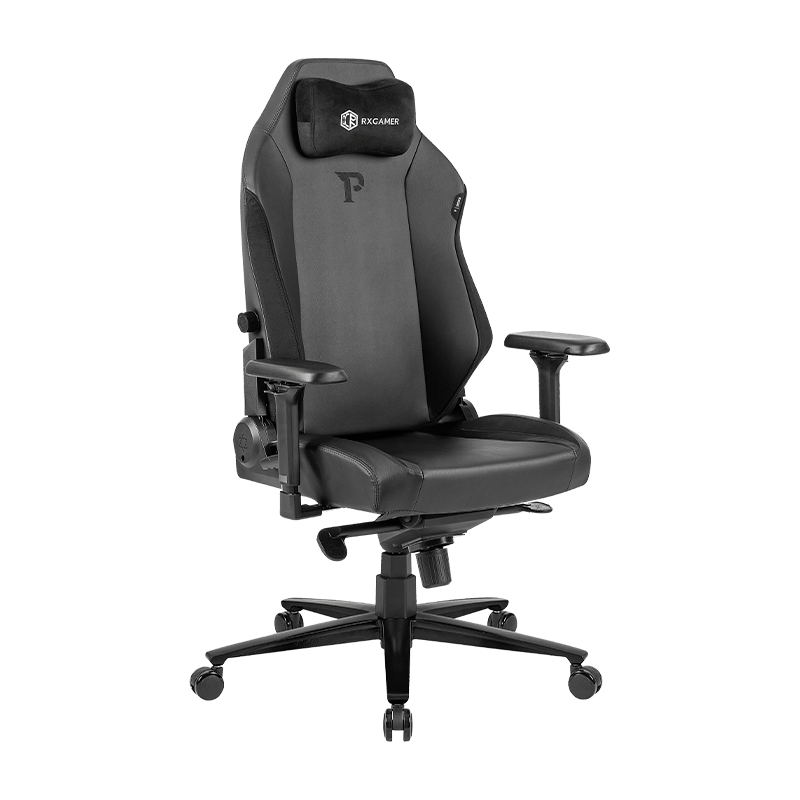
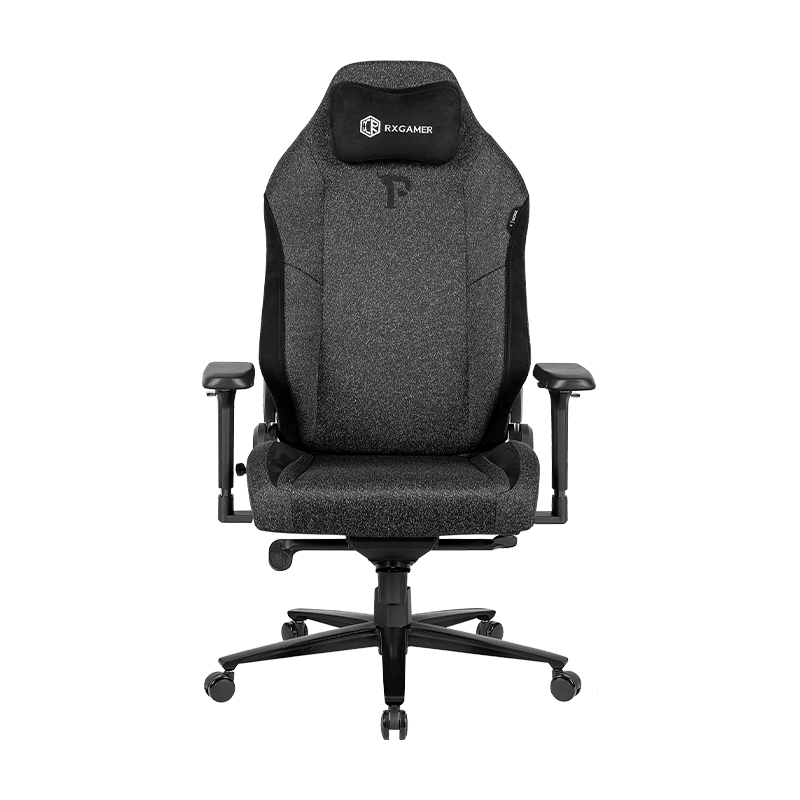
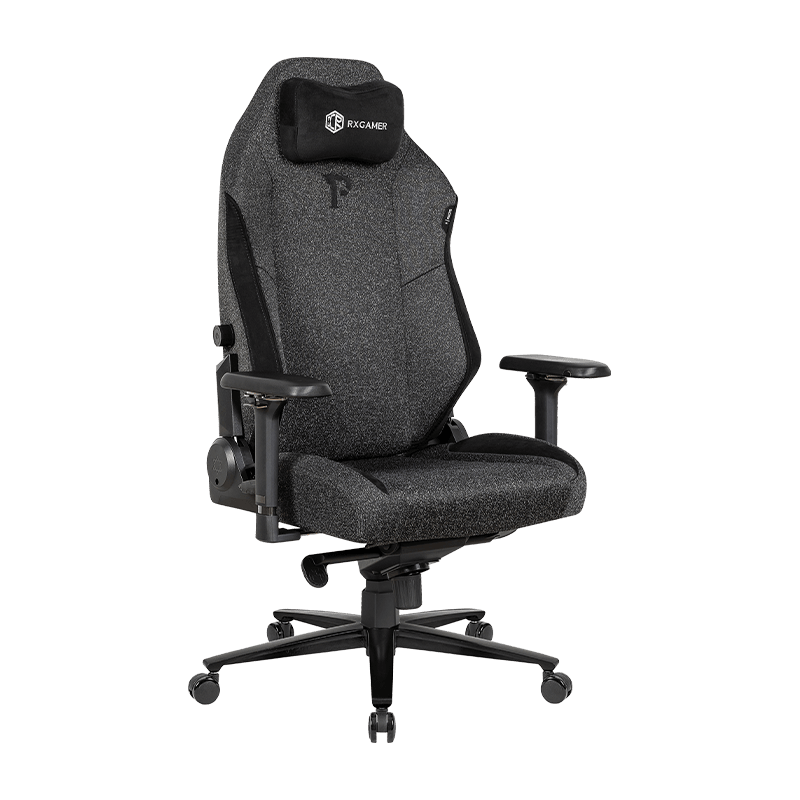
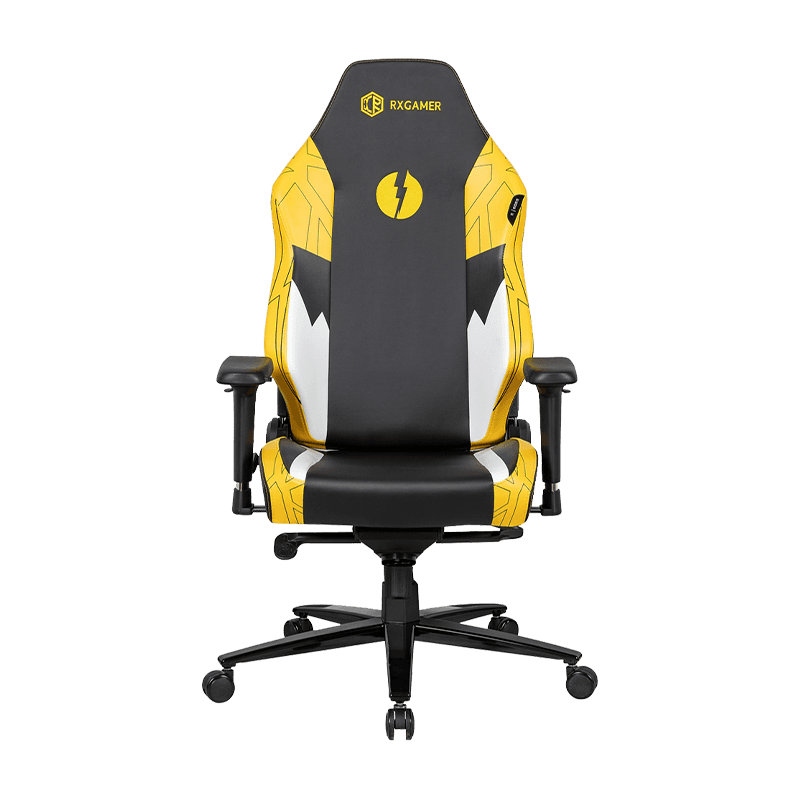
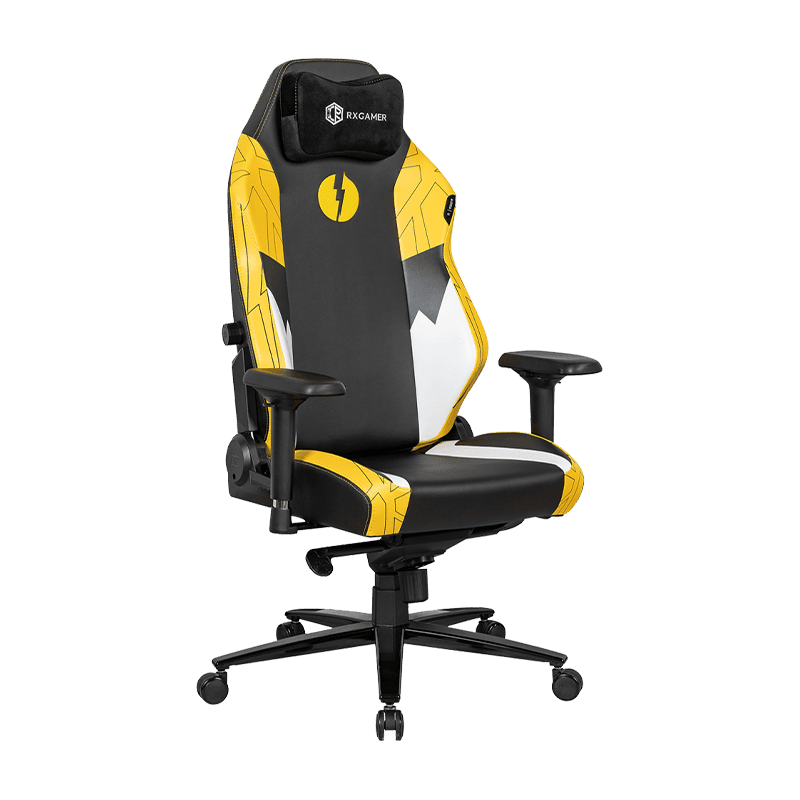
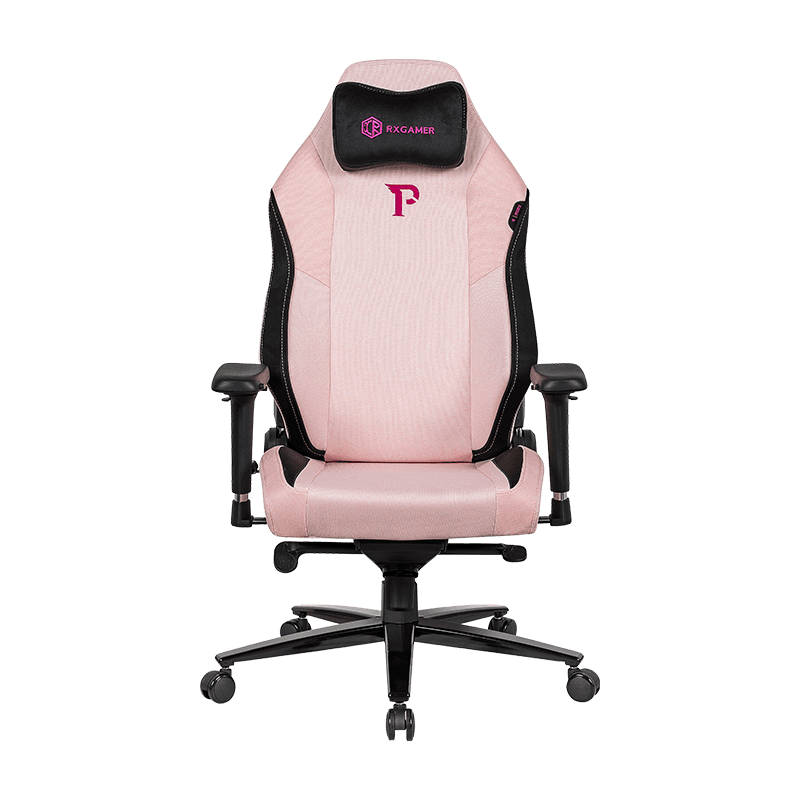
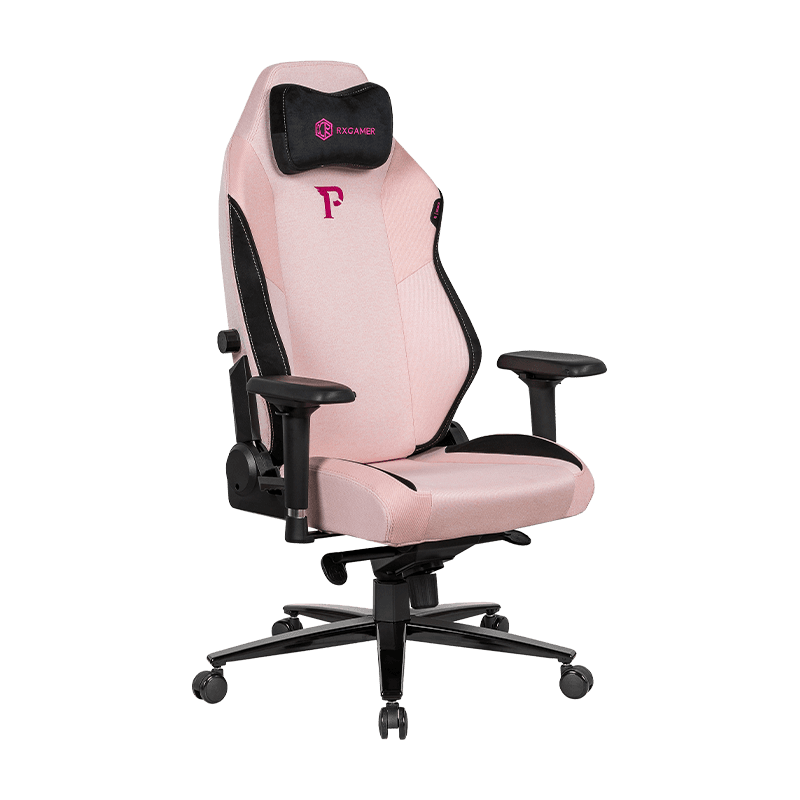
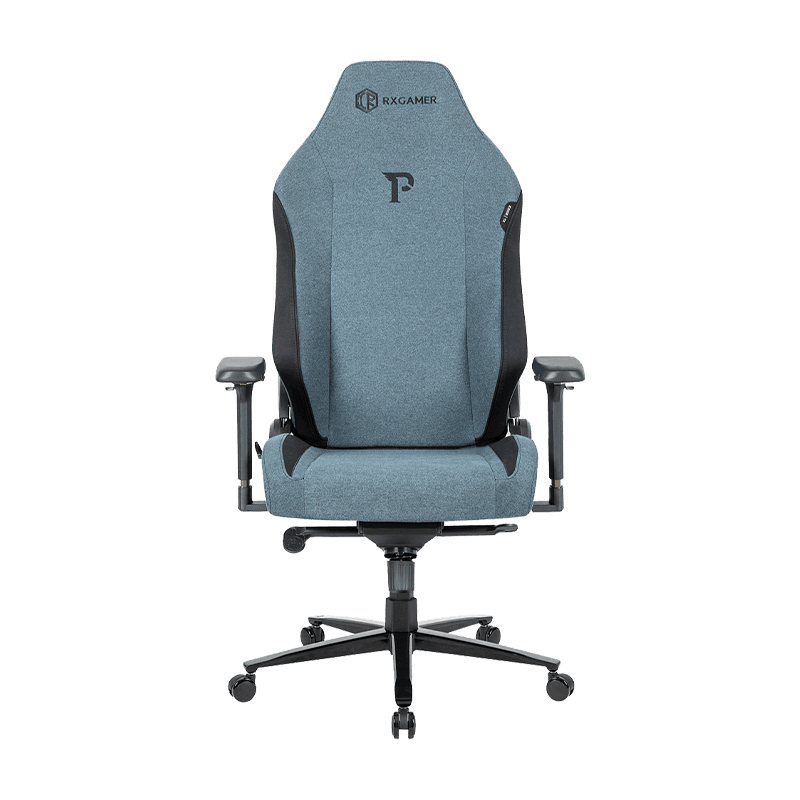
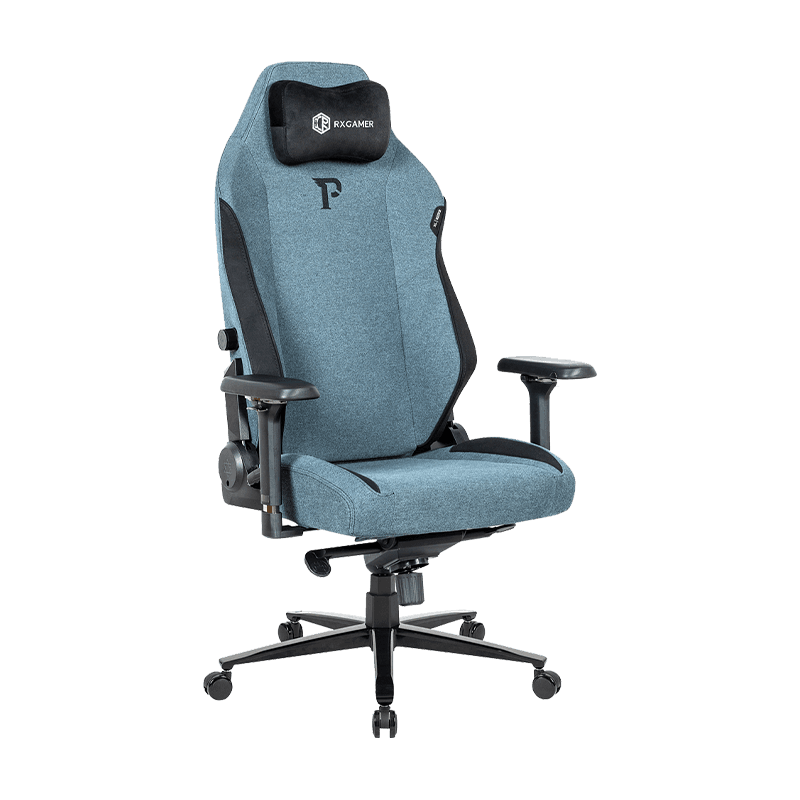
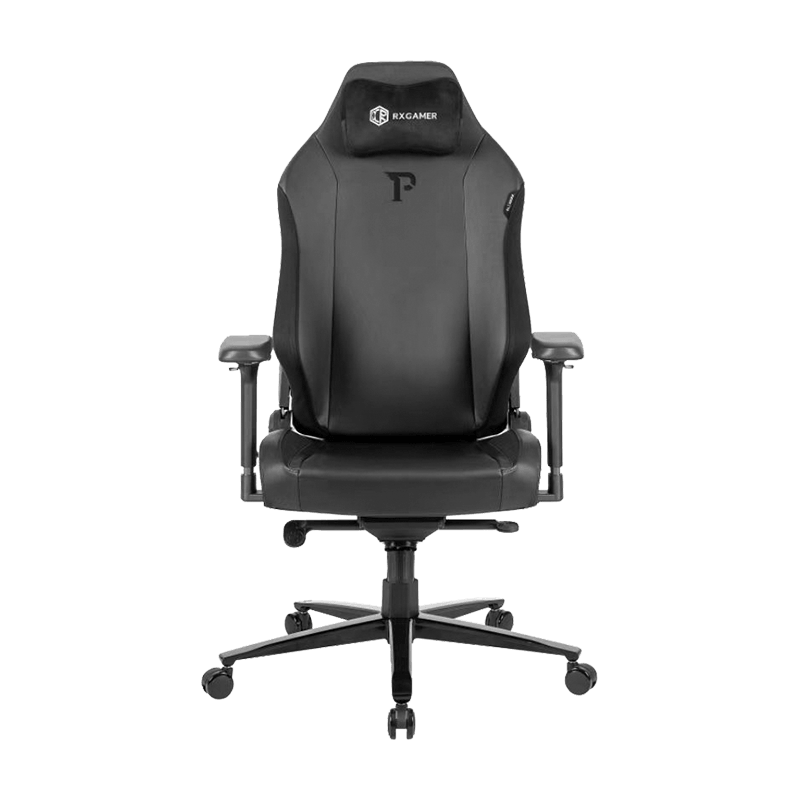
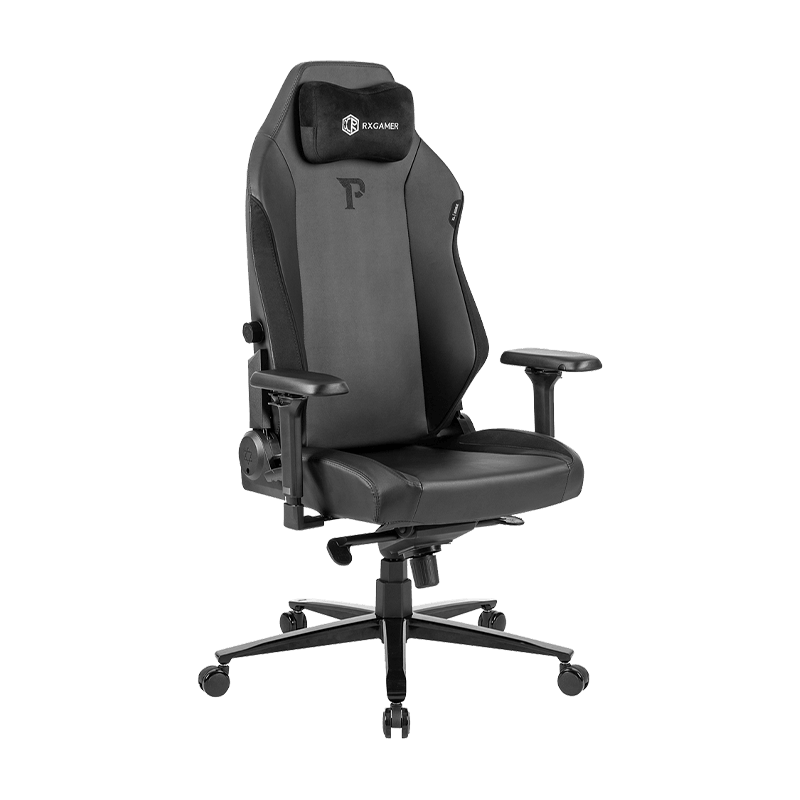
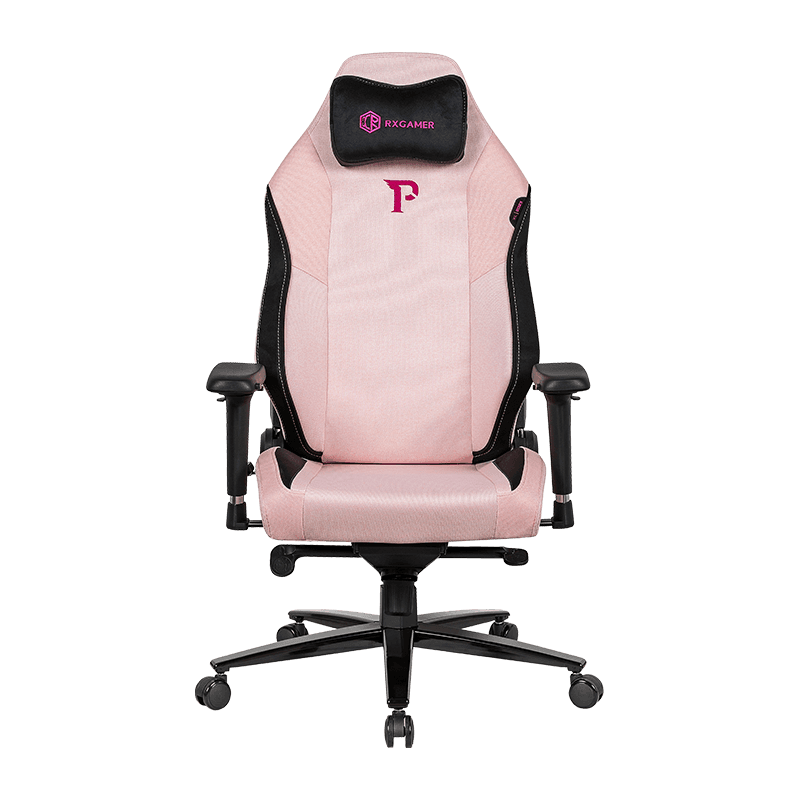
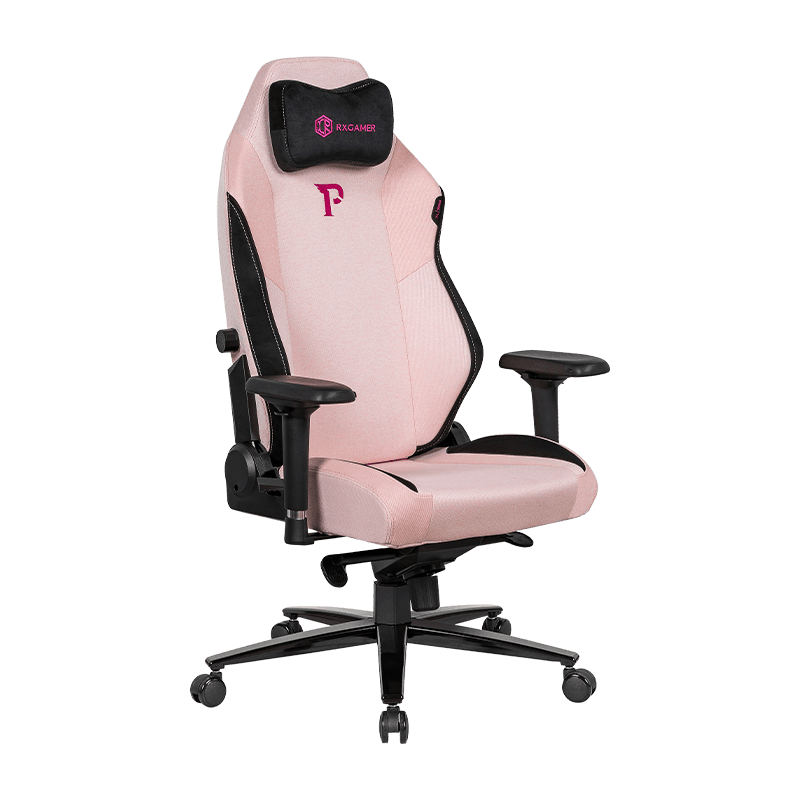
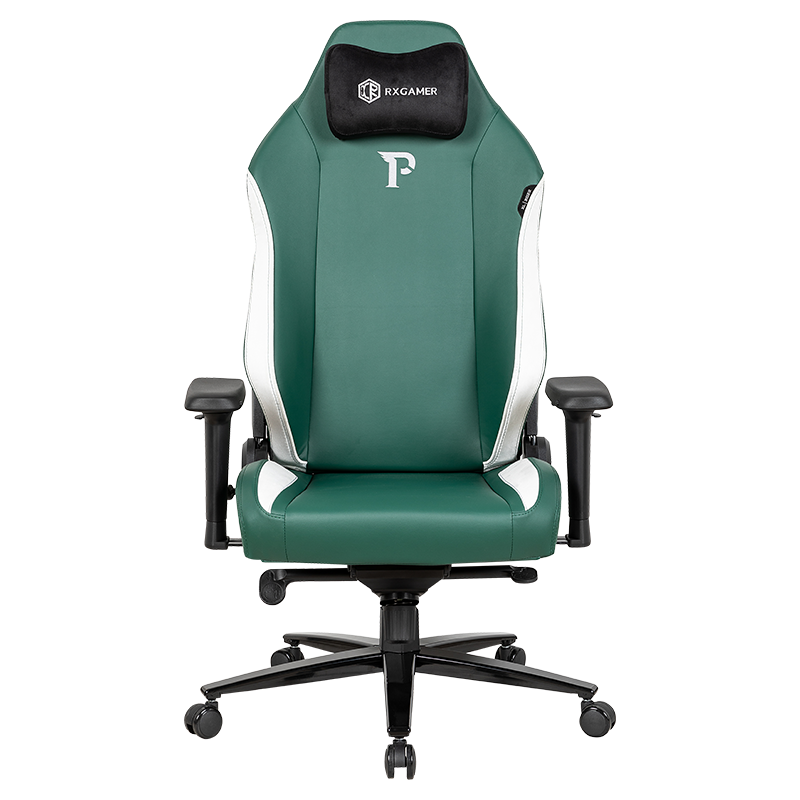
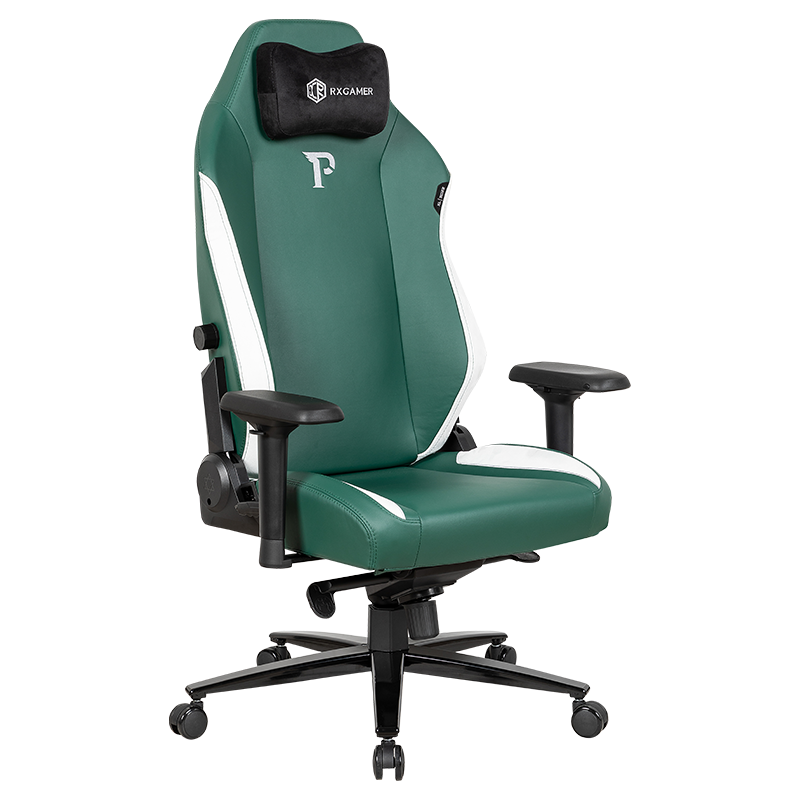
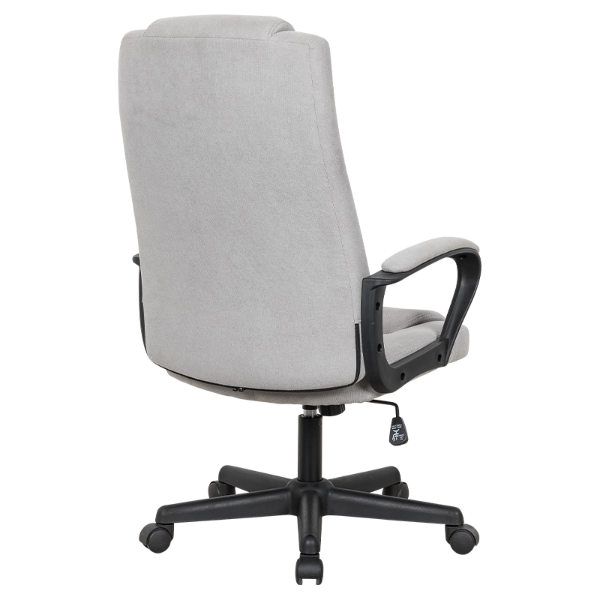
Choosing between an executive office chair and a task office chair is not simply a matter of appearance. The two categories are engineered around different priorities: one emphasizes prolonged comfort and presence, the other emphasizes mobility and functional efficiency. An RXGAMER RX-9095 illustrates how modern seating blends these priorities, offering adjustable comfort features that bridge traditional category boundaries.
Understanding the mechanical, structural, and ergonomic differences between these two chair types allows buyers to match seating to actual working patterns rather than aesthetics alone.
Structural and Functional Comparison
The clearest way to understand the difference is through direct comparison of build characteristics.
| Feature | Executive Office Chair | Task Office Chair |
|---|---|---|
| Backrest Height | High back, often 26-30 inches | Mid or low back, typically 18-24 inches |
| Primary Material | Leather or leatherette padding | Mesh or breathable fabric |
| Recline Function | Deep recline, often with tilt lock | Limited or moderate recline |
| Armrest Design | Padded, sometimes fixed | Adjustable, often 3D or 4D |
| Typical Use Duration | Long sitting, less frequent movement | Frequent movement, shorter intervals |
| Base Footprint | Larger, heavier base | Compact, lightweight base |
These distinctions are not rigid rules but general tendencies observed across commercial and residential seating categories.
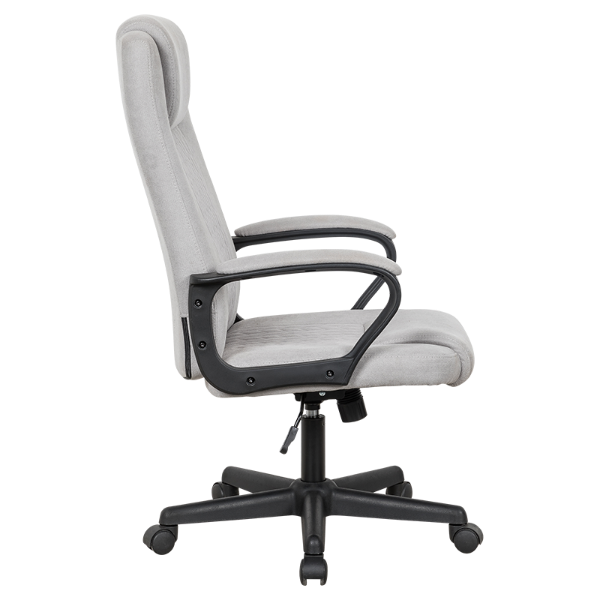
Mesh vs Leather Office Chair
Material choice affects thermal comfort, maintenance, and long-term durability. A mesh office chair uses a tensioned fabric weave that allows airflow across the back and seat, which reduces heat buildup during extended sitting. A leather office chair or leatherette alternative offers a denser, more cushioned feel with a more formal visual presentation.
| Aspect | Mesh | Leather |
|---|---|---|
| Breathability | High | Low to moderate |
| Cushioning Feel | Firm, supportive | Soft, plush |
| Maintenance | Vacuum or wipe down | Requires conditioning |
| Longevity in Humid Climates | Better resistance to wear | May crack or peel over time |
| Visual Formality | Modern, casual | Traditional, formal |
High Back vs Mid Back Office Chair
Backrest height determines how much of the upper spine, shoulders, and neck receive direct support.
High Back Chairs
A high back office chair extends support up to the shoulders or head, making it suitable for users who lean back frequently or need head support during video calls and reading tasks.
Mid Back Chairs
A mid back design supports the lower and middle spine while leaving the shoulders free. This suits users who prefer a more compact profile and frequent forward-leaning tasks such as typing or drafting.
- High back chairs suit longer reclining sessions and executive-style workspaces
- Mid back chairs suit active, task-focused environments with frequent movement
- Desk clearance and room layout may also influence which fits better
How the Right Chair Fits Into a Workspace Setup
The diagram below outlines a simple decision flow for matching chair type to work pattern.
What Makes a High-Quality Office Chair?
Quality in an ergonomic office chair is determined by measurable structural and functional factors rather than surface finish alone.
Adjustability Range
Seat height, tilt tension, armrest position, and lumbar depth should all be independently adjustable to accommodate different body proportions.
Base and Caster Durability
A five-point base with smooth-rolling casters distributes weight evenly and reduces tipping risk during reclining or reaching motions.
Material Density
Higher-density foam retains its shape longer under repeated compression, which affects comfort consistency over years of use.
Weight Capacity Rating
A chair rated below actual user weight will compress unevenly and wear out faster than one matched appropriately.
Swivel and Adjustable Mechanisms in Modern Chairs
A swivel office chair base allows 360-degree rotation, which reduces the need for repeated twisting of the torso when reaching for items around a desk. Combined with an adjustable office chair mechanism, users can fine-tune seat depth, tilt tension, and height without additional tools.
- Set seat height so knees form roughly a right angle with feet flat on the floor
- Adjust armrests so shoulders remain relaxed, not raised or hunched
- Position lumbar support to align with the natural curve of the lower back
- Test recline tension to ensure it holds posture without excessive resistance
Commercial and Fabric Considerations for Shared Spaces
In shared or multi-user environments, a commercial office chair needs to withstand more frequent adjustment cycles and varied body types than a single-user setup. A fabric office chair in these settings often balances comfort with easier long-term maintenance compared to leather alternatives, since fabric can be spot-cleaned without conditioning treatments.
For a computer office chair used primarily at a fixed workstation, prioritizing armrest height and monitor-level alignment reduces neck strain more effectively than focusing on recline depth alone.
How to Clean an Office Chair?
Regular maintenance extends the functional lifespan of any desk chair or office furniture chair regardless of material.
| Chair Type | Cleaning Method | Frequency |
|---|---|---|
| Mesh | Vacuum with soft brush, spot clean with mild soap | Weekly vacuum, monthly spot clean |
| Leather or Leatherette | Wipe with damp cloth, apply conditioner | Weekly wipe, quarterly conditioning |
| Fabric | Vacuum, use fabric-safe upholstery cleaner | Weekly vacuum, monthly deep clean |
| Base and Casters | Remove dust and hair buildup with brush | Monthly |
Frequently Asked Questions
Q1: What is the main difference between an executive chair and a task chair?
An executive chair typically has a higher backrest, deeper padding, and a more pronounced recline function, while a task chair is more compact and designed for frequent movement and adjustability during short work intervals.
Q2: Mesh vs Leather Office Chairs: Which One Should You Choose?
Choose mesh if breathability and long-term durability in warm environments matter most. Choose leather or leatherette if a formal appearance and plush cushioning are the priority, keeping in mind it requires more upkeep.
Q3: Does a high back chair always mean better support?
Not necessarily. A high back chair supports more of the spine and shoulders, but a well-adjusted mid back chair can provide equally effective support for users who do not require head or shoulder rest.
Q4: How often should an office chair be replaced?
Most chairs show noticeable foam compression and mechanism wear after several years of daily use, though this varies with build quality, weight load, and maintenance frequency.
Q5: Can one chair work for both focused desk work and relaxed reading?
Chairs with reclining adjustable mechanisms, deeper tilt range, and adaptable lumbar support can reasonably serve both purposes, reducing the need for separate seating setups.