
 English
 中文简体
中文简体 русский
 Español
 عربى
عربى
Introduction
In today’s digital age, many individuals spend the majority of their day seated at desks or in front of computers. While technology has undoubtedly improved our productivity, it has also introduced a new set of health challenges—chief among them, poor posture. Sitting for prolonged periods in uncomfortable or poorly designed chairs can lead to a host of health issues, including back pain, neck strain, and even long-term musculoskeletal disorders.
Understanding Posture and Its Impact
The Importance of Proper Posture
Good posture is vital for maintaining overall health and well-being. When we sit with proper posture, the spine remains in a neutral position, preventing unnecessary strain on the muscles and ligaments that support it. This reduces the risk of developing chronic conditions like back and neck pain, improves circulation, and ensures that our muscles are not overworked. Good posture can also help boost energy levels, productivity, and focus by minimizing discomfort.
Common Postural Problems
When people slouch or adopt poor seating habits, it can lead to significant posture-related problems. Common issues include:
- Lower back pain: Often caused by poor lumbar support and improper seat depth.
- Neck strain: A result of leaning forward or having an improperly adjusted desk height.
- Shoulder tension: Caused by armrests that are too high or too low.
- Spinal misalignment: Leading to long-term health problems like herniated discs or sciatica.
Adjustable office chairs aim to mitigate these issues by offering customizable features that promote correct posture.
What Makes Adjustable Office Chairs Different?
Key Features of Adjustable Office Chairs
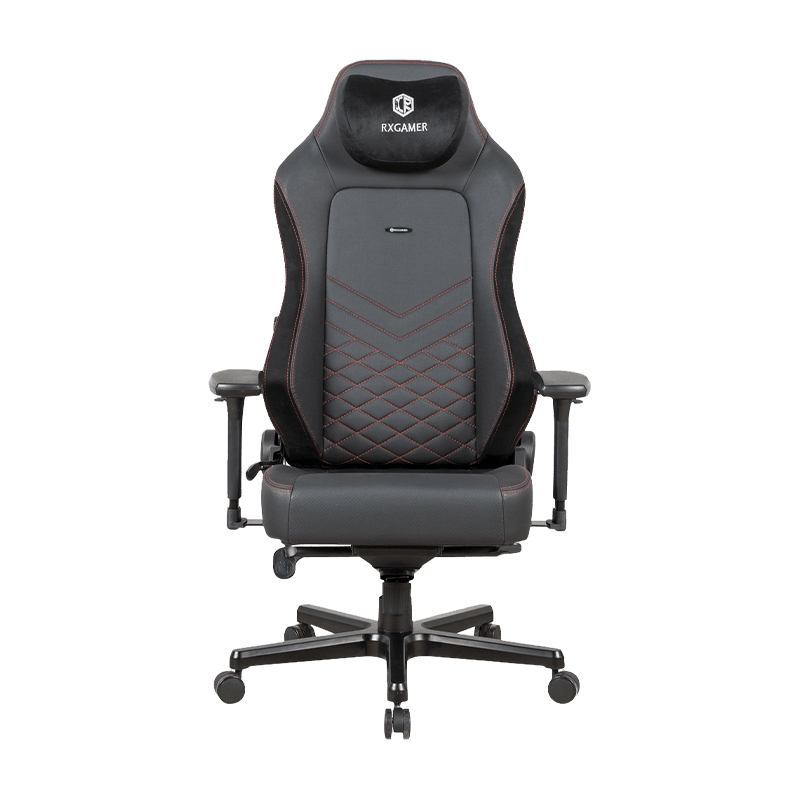
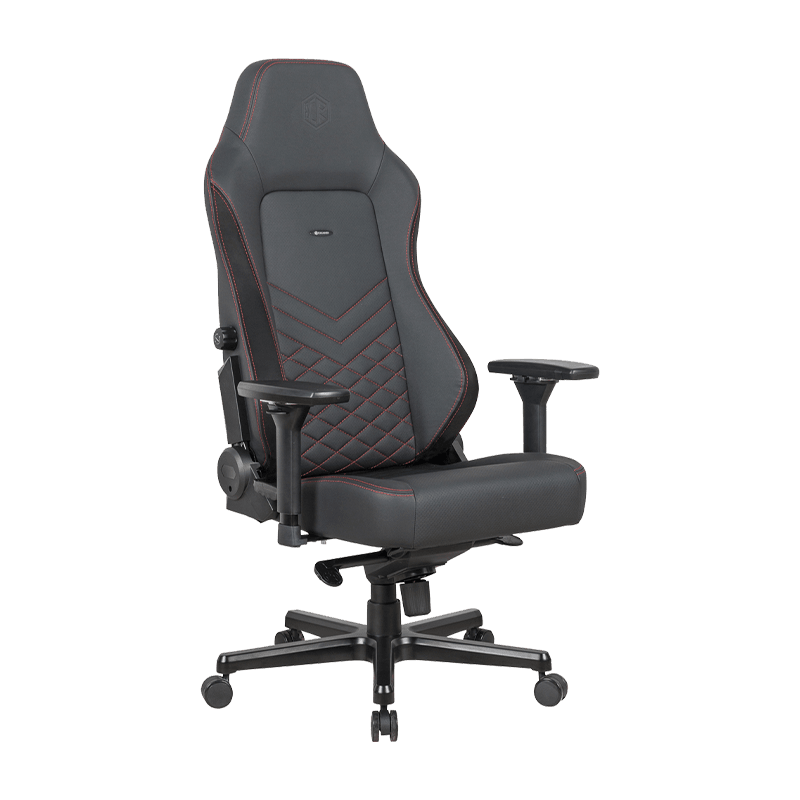
Adjustable office chairs are designed with a range of customizable features that allow users to modify their seating arrangement to best fit their body shape and preferences. Key features include:
- Seat Height Adjustment: The ability to raise or lower the seat ensures that your feet are flat on the floor and your knees are at a 90-degree angle, which is essential for good posture.
- Lumbar Support: Adjustable lumbar support allows users to position the chair’s backrest to provide optimal support for the lower back, helping to maintain the natural curve of the spine.
- Armrest Adjustment: Adjustable armrests provide support for the arms and shoulders, preventing strain caused by overextending or slouching.
- Backrest Tilt: The ability to tilt the backrest allows users to recline slightly, which can relieve pressure from the spine and provide a more comfortable seating position.
- Seat Depth: Adjustable seat depth ensures that the chair supports your thighs without cutting off circulation.
Ergonomics in Office Chairs
Ergonomics is the science of designing workspaces and furniture to fit the needs of the individual. Adjustable office chairs are a prime example of ergonomic design. They are created to ensure that users can maintain a neutral, aligned posture while seated, thereby preventing strain on the back, neck, and other joints.
Benefits of Adjustable Office Chairs for Posture
Spinal Alignment and Support
One of the primary advantages of adjustable office chairs is their ability to support spinal alignment. Features like lumbar support and backrest adjustability ensure that the natural curves of the spine are maintained. By providing support to the lower back, these chairs help prevent the forward slumping that leads to spinal misalignment and discomfort.
Reduction in Muscular Strain
An adjustable chair allows users to adjust the height, backrest, and armrests to reduce strain on muscles. With proper alignment, the body requires less effort to maintain a comfortable and natural sitting position. Over time, this helps prevent fatigue, muscle tightness, and tension, especially in the back, shoulders, and neck.
Preventing Long-Term Health Issues
Long-term use of an adjustable office chair can help prevent the development of chronic musculoskeletal disorders. By promoting proper posture and reducing strain on the body, users are less likely to experience issues such as herniated discs, sciatica, or repetitive strain injuries (RSIs). Proper seating also helps with better circulation, which is important for overall health.
Adjustable vs. Fixed Office Chairs: A Comparison
| Feature | Adjustable Office Chair | Fixed Office Chair |
|---|---|---|
| Seat Height Adjustment | Yes | No |
| Lumbar Support | Yes, adjustable | Often fixed |
| Armrest Adjustment | Yes | Rarely adjustable |
| Seat Depth Adjustment | Yes | No |
| Backrest Tilt | Yes | No |
| Mobility | Yes (swivel and wheels) | Limited (typically stationary) |
Which Is Better for Posture?
When it comes to supporting proper posture, adjustable office chairs are the superior choice. Fixed office chairs, while comfortable, do not offer the customization needed to accommodate different body types or preferences. Adjustable office chairs, on the other hand, can be tailored to fit the user’s specific needs, promoting better spinal alignment and reducing strain.
How to Choose the Right Adjustable Office Chair for Your Posture
Key Considerations When Selecting an Adjustable Office Chair
When choosing an adjustable office chair, several factors should be considered to ensure that it supports good posture:
- Seat Width and Depth: The seat should be wide enough to accommodate your body and deep enough to support your thighs without cutting off circulation.
- Lumbar Support: Look for a chair with adjustable lumbar support that can be positioned to support the natural curve of your spine.
- Armrest Position: Armrests should be adjustable in both height and width to allow your arms to rest comfortably and reduce shoulder strain.
- Backrest Tilt and Lock: A chair with an adjustable backrest tilt allows you to recline and shift positions throughout the day, providing relief from pressure on the spine.
Customization and Fit
Ensure that the chair fits your body size and type. Proper adjustment of the seat height, lumbar support, and armrests can help you maintain a neutral spine position and reduce discomfort. Take the time to fine-tune the chair to your unique needs.
Other Factors Contributing to Good Posture
Sitting Habits and Work Environment
While an adjustable office chair is an essential tool for promoting good posture, your sitting habits and overall workspace setup are equally important. Regular movement, stretching, and standing breaks throughout the day are crucial to preventing stiffness and promoting circulation. Additionally, the height of your desk and monitor should be adjusted to avoid straining your neck and eyes.
Other Ergonomic Accessories
Ergonomic accessories, such as footrests, monitor stands, and keyboard adjustments, can complement an adjustable office chair and help optimize posture. For example, a footrest can help keep your feet flat on the ground if your chair is too high, and a monitor stand can ensure that your screen is at eye level to reduce neck strain.
Conclusion
Adjustable office chairs are a valuable investment for anyone looking to improve their posture and overall comfort while working. With features such as lumbar support, seat height adjustment, and armrest position, these chairs offer the flexibility to accommodate different body types and needs. However, good posture also depends on sitting habits, desk setup, and regular movement, so it’s essential to maintain a holistic approach to ergonomics.
By choosing the right adjustable office chair and implementing healthy sitting practices, you can significantly reduce the risk of posture-related issues and improve your long-term health and comfort.
FAQ
1. What Are the Key Features to Look for in an Adjustable Office Chair?
When selecting an adjustable office chair, look for features like seat height adjustment, lumbar support, armrest adjustability, backrest tilt, and seat depth. These features help you customize the chair for better posture and comfort.
2. Can an Adjustable Office Chair Really Help With Back Pain?
Yes, an adjustable office chair with proper lumbar support and seat customization can help alleviate back pain by promoting proper spinal alignment and reducing strain on the back muscles.
3. How Often Should I Adjust My Office Chair to Maintain Good Posture?
You should adjust your office chair periodically based on your comfort level and posture needs. Small adjustments throughout the day can help ensure proper alignment and prevent discomfort.
4. Are All Adjustable Office Chairs Ergonomically Designed?
Not all adjustable office chairs are designed with ergonomics in mind. It’s important to choose a chair that is specifically designed to support spinal alignment and comfort, rather than just one with basic adjustable features.
5. Can I Improve My Posture Without an Adjustable Office Chair?
While an adjustable chair can make a significant difference, good posture also depends on your sitting habits, workspace setup, and the use of ergonomic accessories. Regular breaks and movement are also key to maintaining proper posture.