
 English
 中文简体
中文简体 русский
 Español
 عربى
عربى
The modern gaming environment has evolved from simple desks and monitors into fully optimized personal setups designed for performance and comfort. Long gaming sessions, competitive play, and immersive entertainment all place significant demands on the body, particularly the spine, shoulders, and wrists. As a result, selecting the right gaming chair has become an essential decision for both casual players and professional gamers.
A well-designed gaming chair supports posture, reduces fatigue, and enhances concentration during extended gameplay. However, not every chair suits every body type or gaming configuration. Factors such as body size, sitting habits, desk height, monitor positioning, and chair adjustability all play a role in determining whether a chair truly meets a user’s needs.
Why Body Type Matters When Choosing a Gaming Chair
One of the most overlooked aspects of chair selection is body compatibility. A chair that feels comfortable for one person may not provide proper support for another. Human bodies vary in height, weight distribution, shoulder width, and leg length, and these factors directly influence how a chair interacts with the user.
For example, a tall player may require deeper seat support and higher armrest adjustments, while a smaller user may benefit from a narrower seat profile and lower armrest range. Without proper alignment, the user may experience back strain, shoulder tension, or circulation issues over time.
A gaming chair designed with ergonomic adaptability can accommodate a wider range of body types. Features such as adjustable armrests, seat depth control, and flexible backrest mechanisms allow the chair to adapt to the individual rather than forcing the user to adapt to the chair.
Manufacturers focused on ergonomic furniture design often emphasize adjustability as a core principle. This approach allows gamers to fine-tune their seating posture according to their body proportions and gaming habits.
The Relationship Between Gaming Setup and Chair Selection
Beyond body type, the gaming environment also influences chair choice. A gaming chair must function as part of a larger system that includes a desk, monitor, keyboard, and sometimes multiple displays or racing simulators.
Improper alignment between chair and desk height can lead to wrist strain or shoulder elevation. Similarly, if the backrest angle does not support the viewing position of the monitor, neck discomfort may develop during long sessions.
Several setup elements should be considered when selecting a gaming chair:
| Setup Element | Impact on Chair Choice | Recommended Chair Feature |
|---|---|---|
| Desk height | Affects elbow angle and arm support | Adjustable armrests |
| Monitor placement | Influences neck posture | Adjustable headrest |
| Keyboard and mouse position | Determines arm extension | Sliding armrest surface |
| Foot positioning | Impacts circulation and balance | Seat depth adjustment |
| Movement during gaming | Requires smooth mobility | Silent wheels |
The ability of a chair to integrate with these factors determines whether it enhances or disrupts the gaming experience.
Ergonomic Materials and Comfort Design
Comfort is often associated with softness, but in ergonomic furniture design, material selection serves a more complex role. The surface material must provide breathability, flexibility, and durability while maintaining structural support.
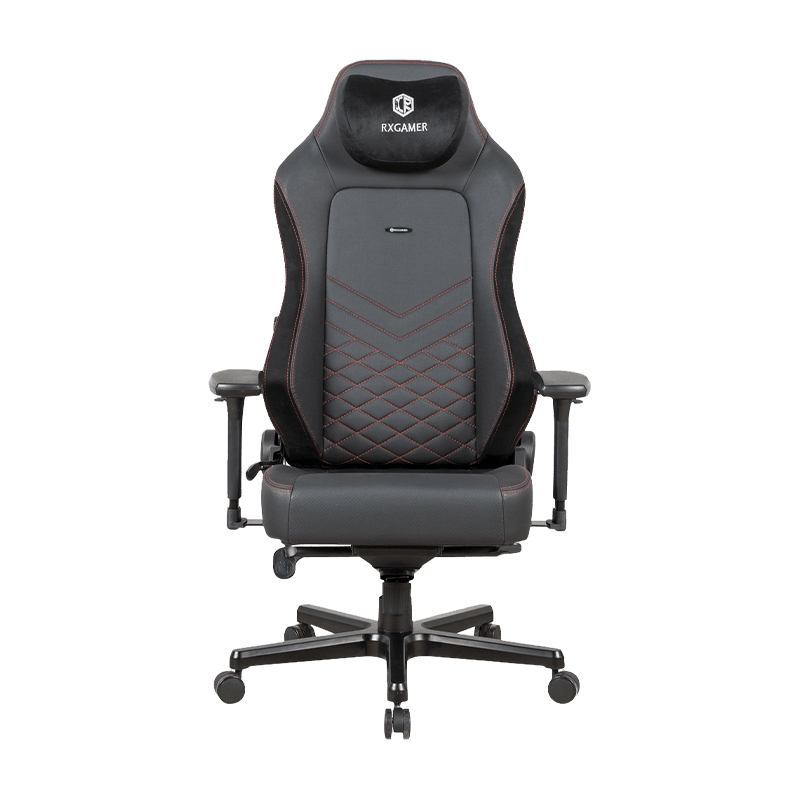
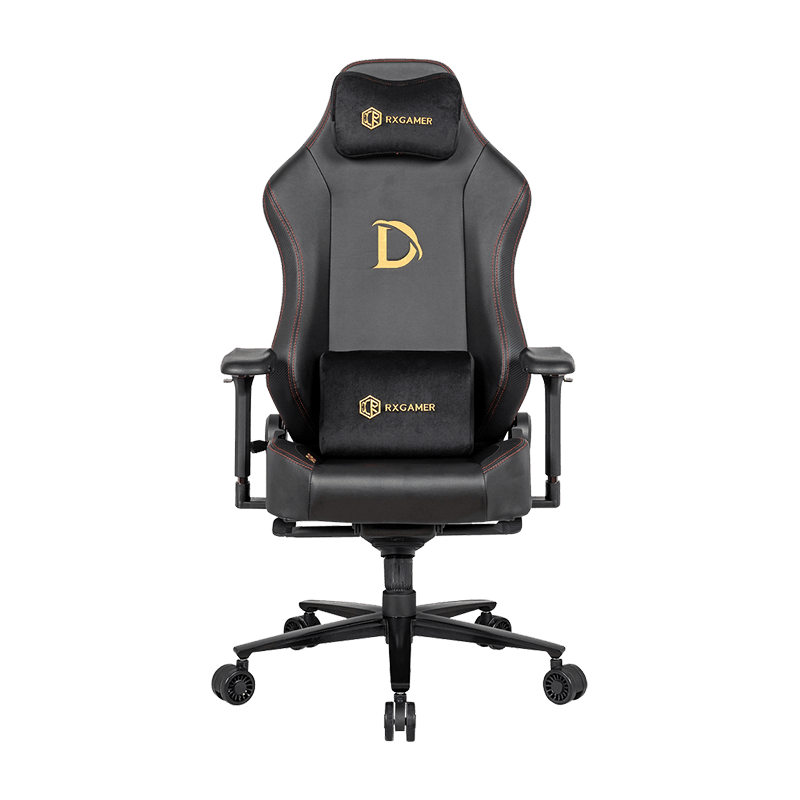
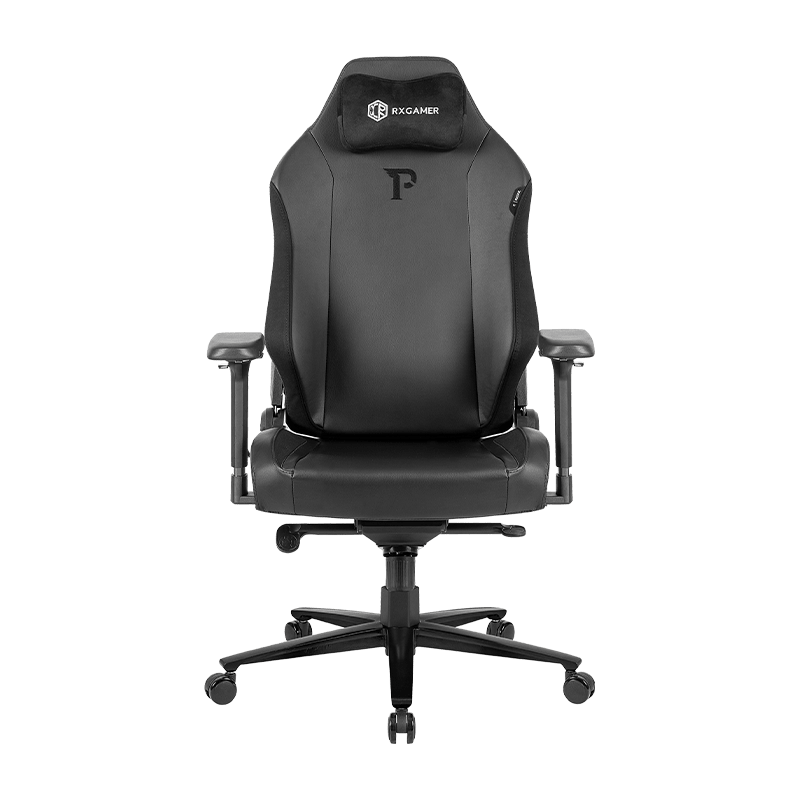
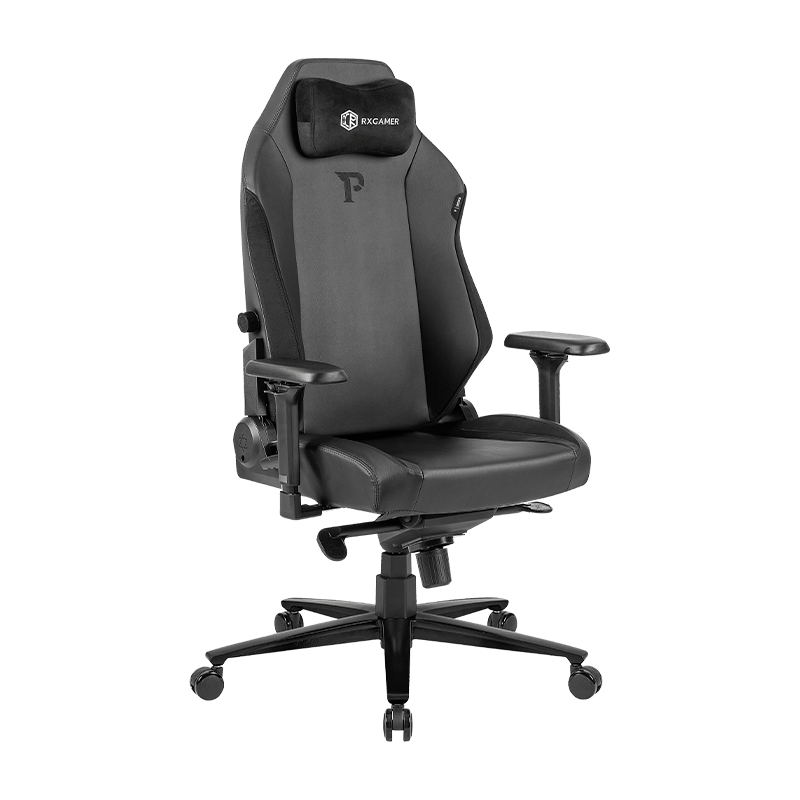
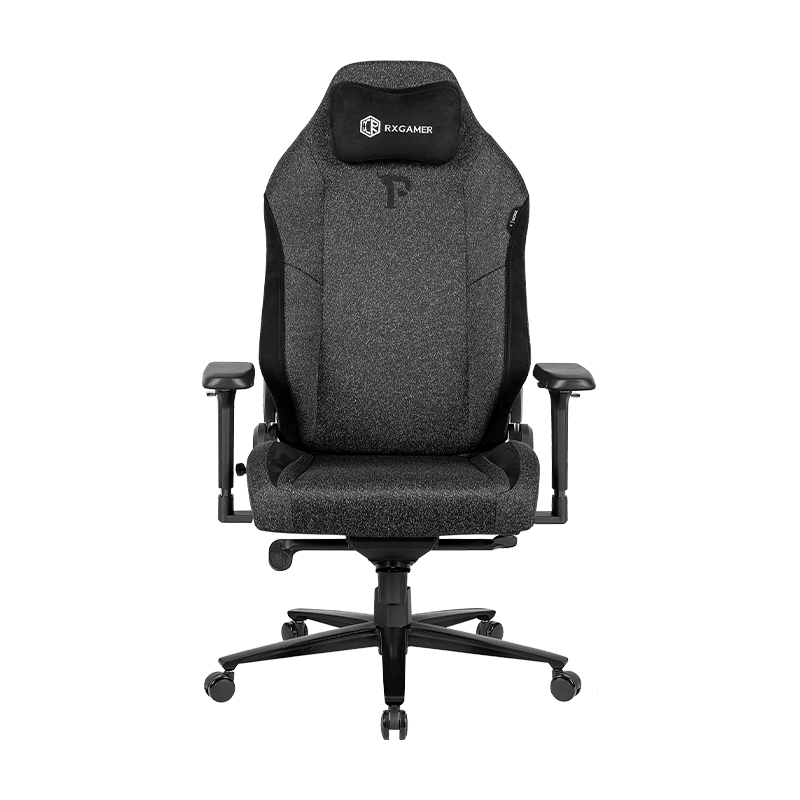
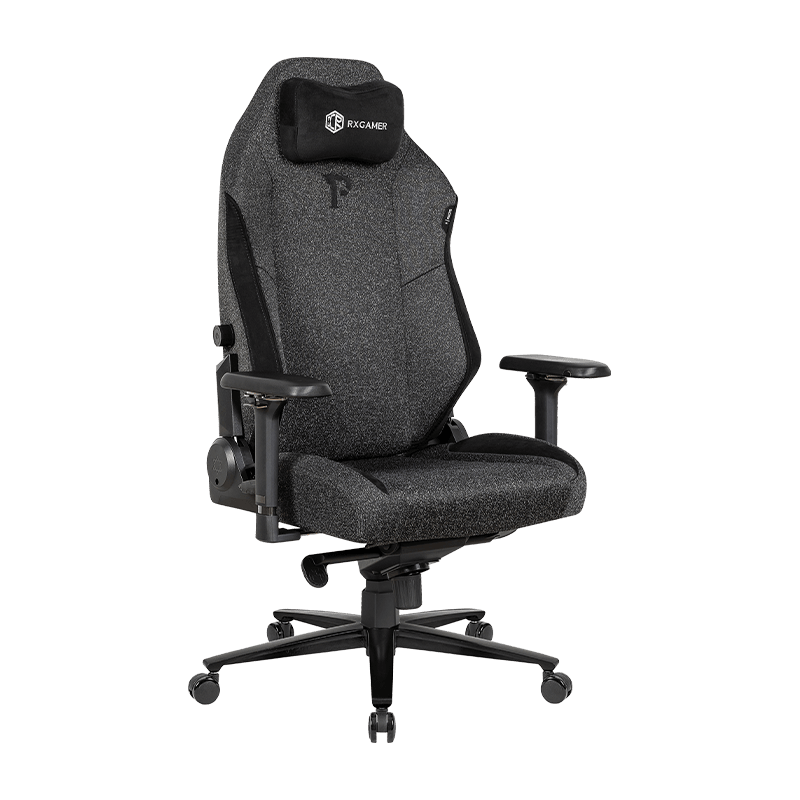
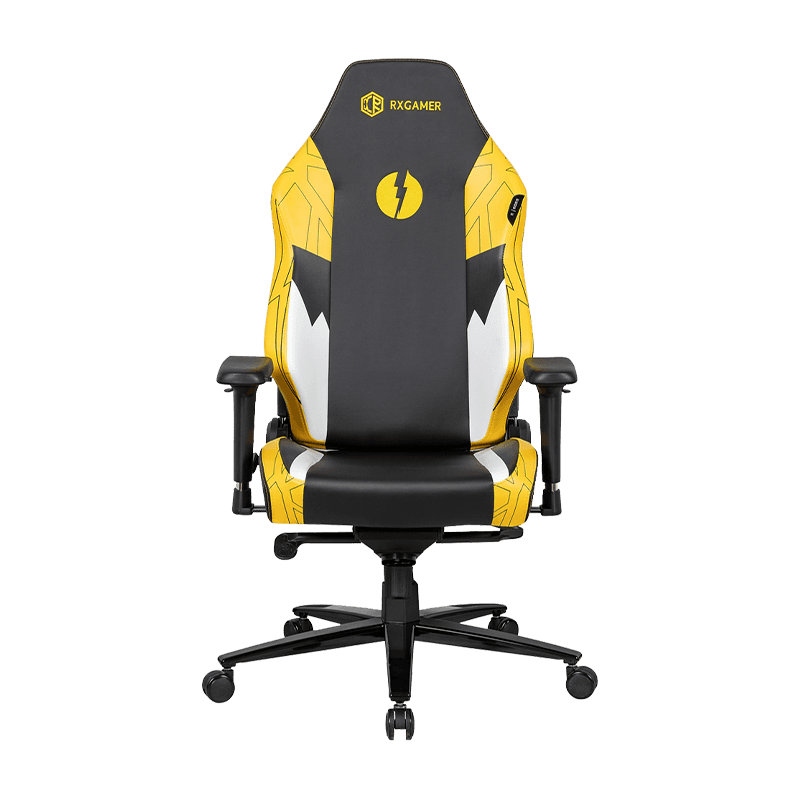
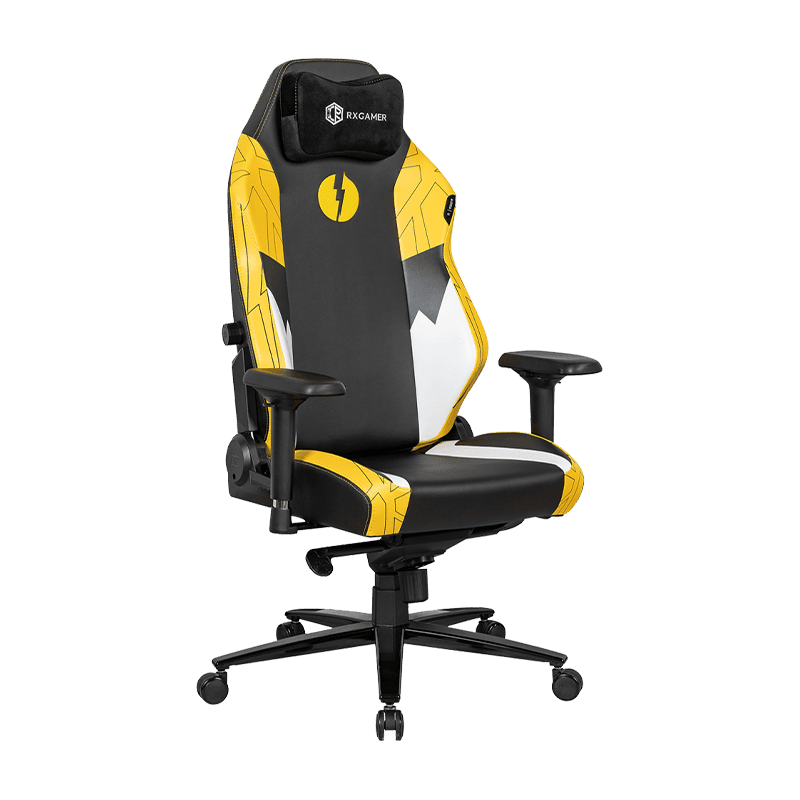
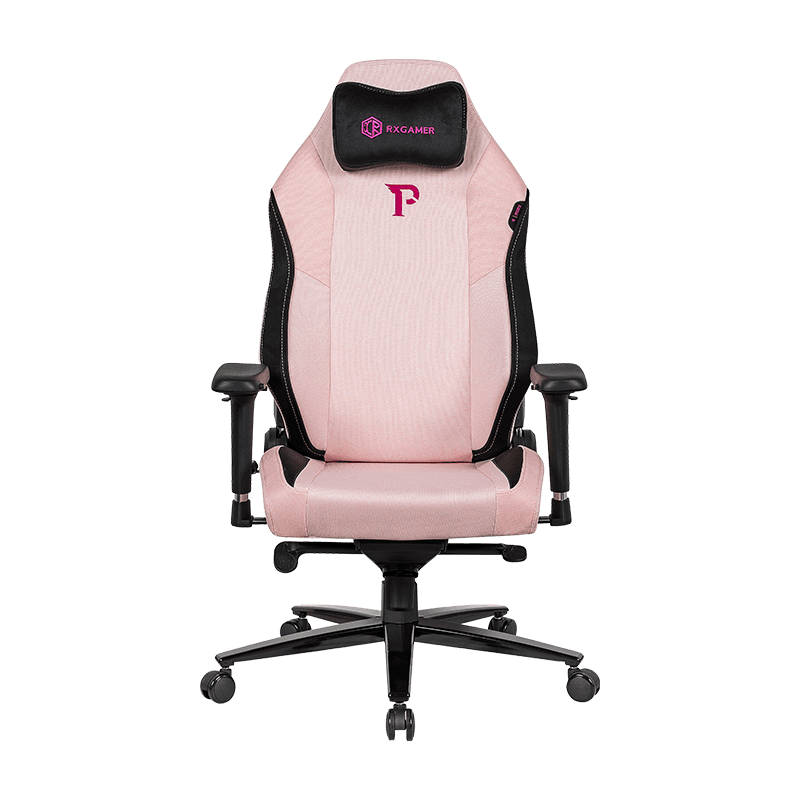
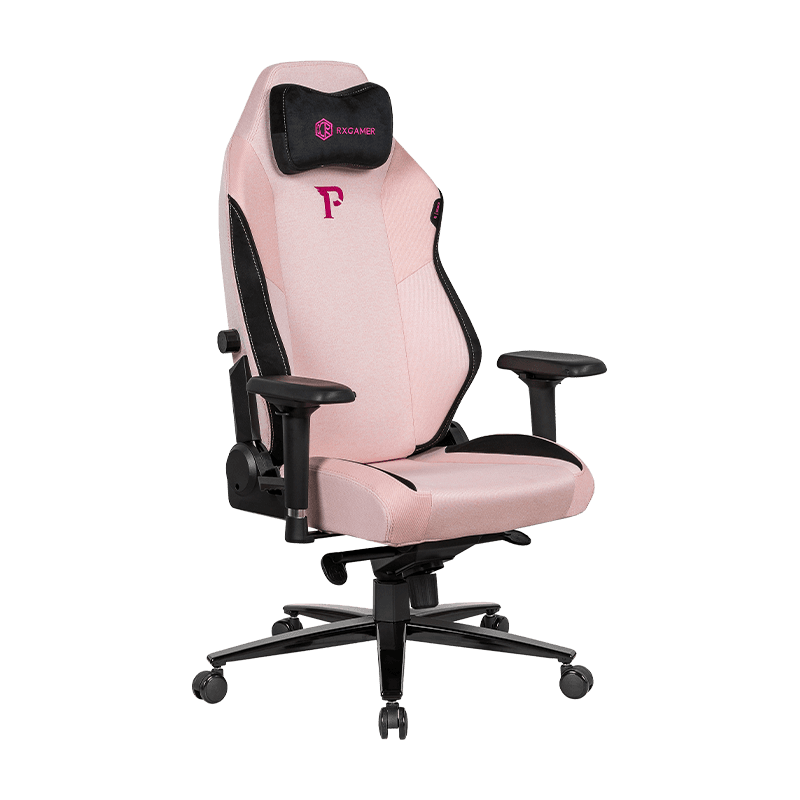
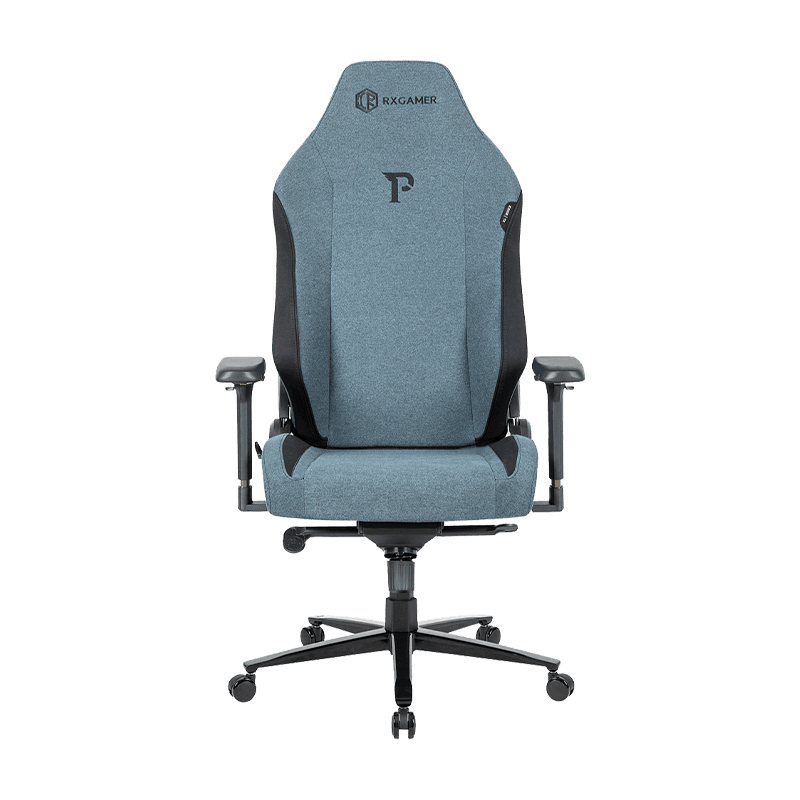
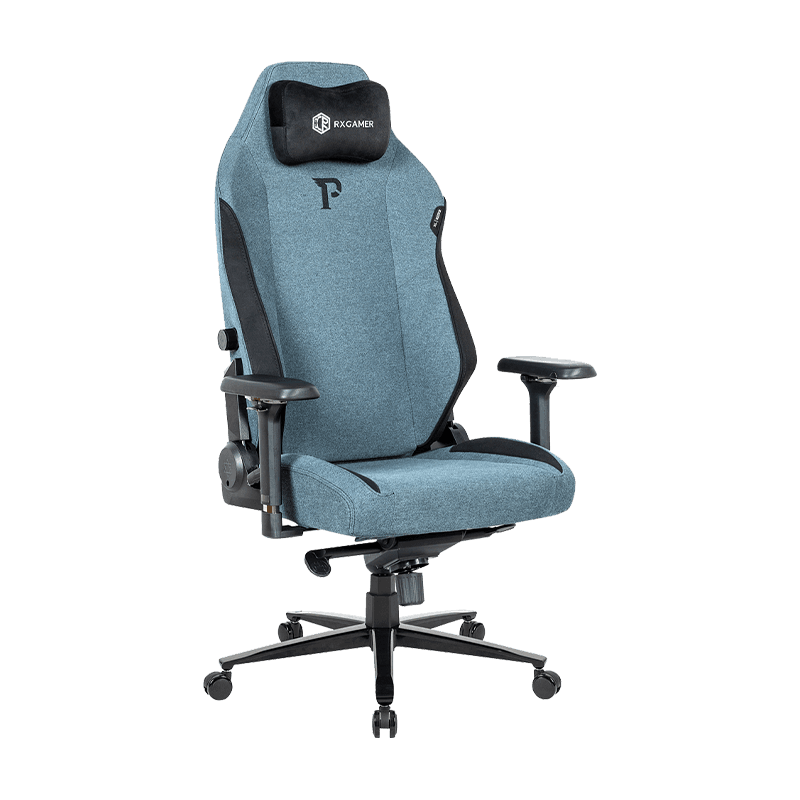
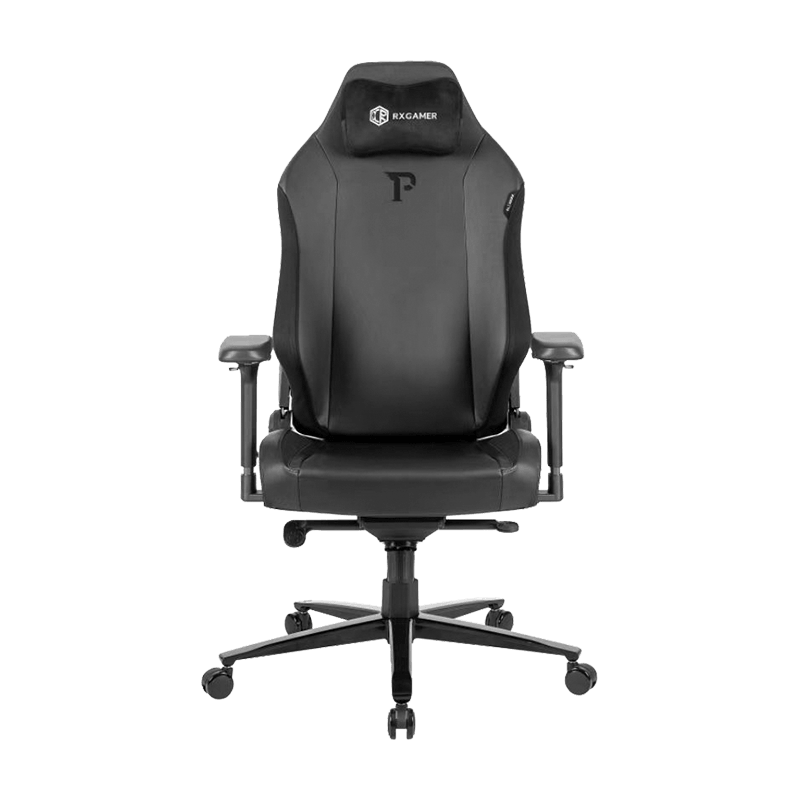
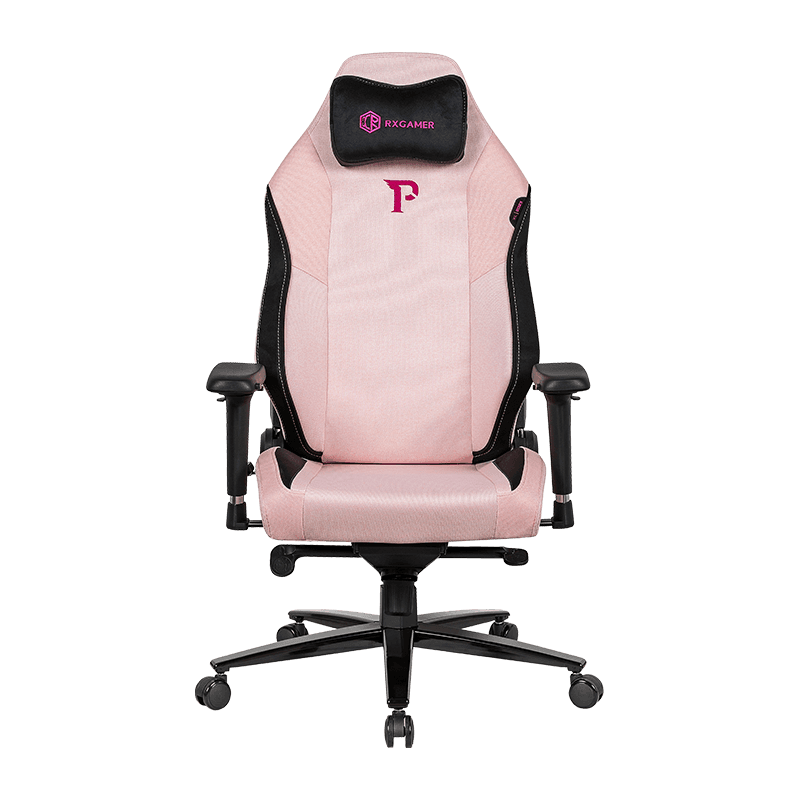
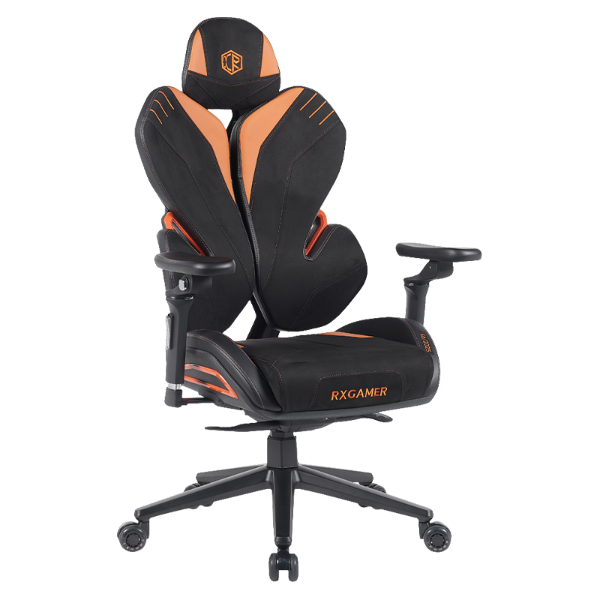
The RXGAMER RX-K6-6201 incorporates a fabric combination that balances comfort and resilience. The design includes black suede velvet, four-way stretch black material, and amber orange fabric. This combination allows the seating surface to adapt to body movement while maintaining a refined visual appearance suitable for modern gaming setups.
Stretch fabrics contribute to pressure distribution by adapting to shifting body positions, while suede textures enhance tactile comfort. These elements help maintain comfort during prolonged gaming sessions without sacrificing structural stability.
Material selection also influences temperature regulation. Breathable fabrics reduce heat buildup, which is especially important during extended gameplay.
Advanced Armrest Adjustability and Upper Body Support
Armrest configuration plays a critical role in reducing fatigue in the shoulders and wrists. During gaming, the arms remain engaged for long periods while controlling keyboards, mice, or controllers. Poor arm support can result in muscle tension and repetitive strain.
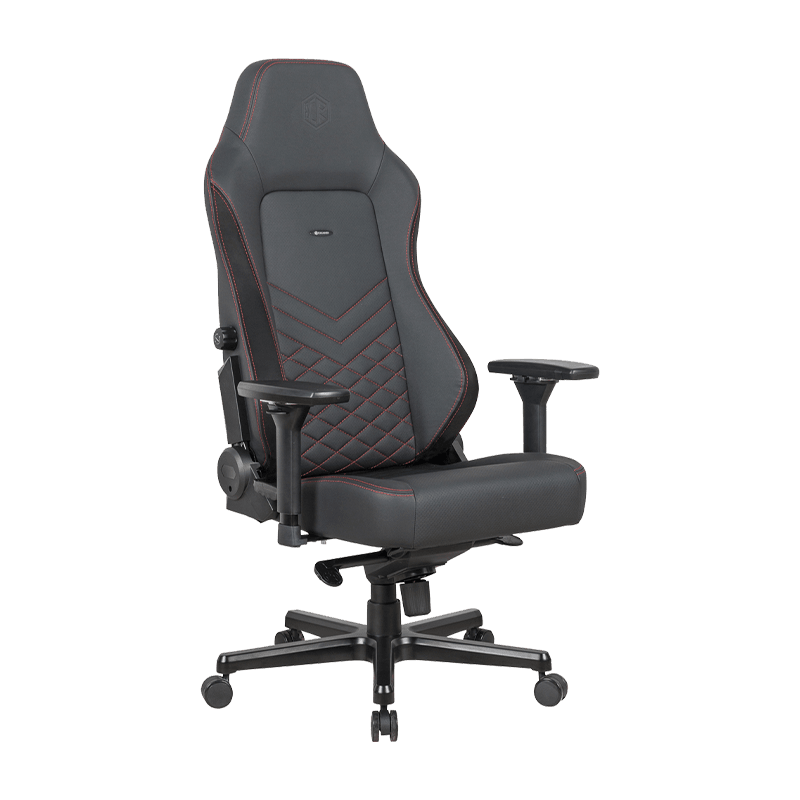
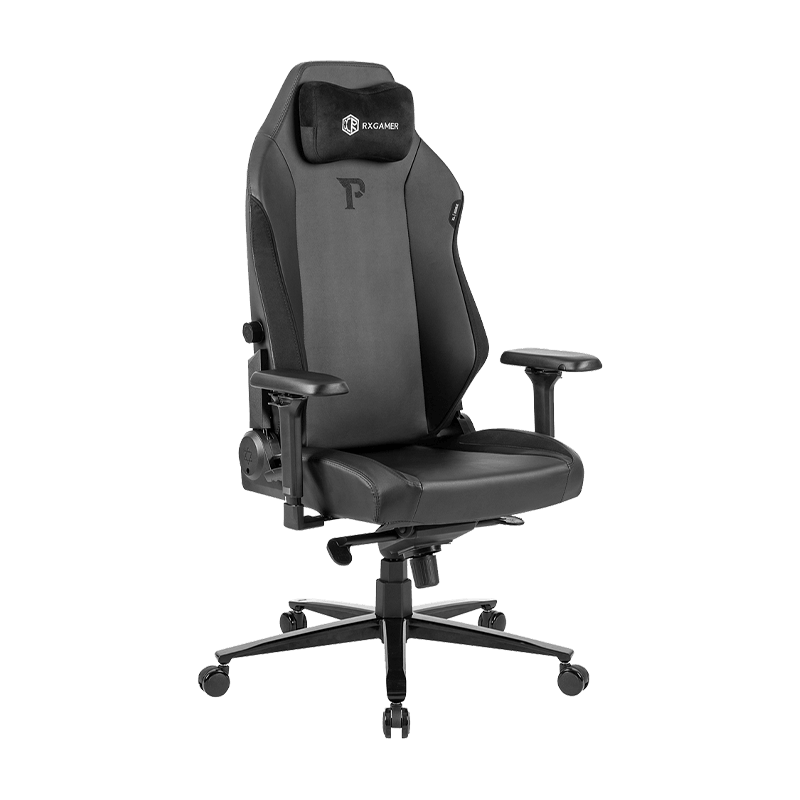
The RXGAMER RX-K6-6201 incorporates a 5D armrest system designed to provide multidirectional adjustment.
| Armrest Feature | Function |
|---|---|
| Height adjustment | Six levels ranging from 31.5cm to 38cm |
| 360° central pivot | Allows complete rotational flexibility |
| Forward/backward sliding | 5.3cm surface movement |
| Left/right rotation | 35° rotation for wrist alignment |
| Tilt locking | 12.5° and 25° tilt angles |
These adjustment options allow gamers to align their arms naturally with the keyboard and mouse. Proper alignment minimizes wrist extension and shoulder elevation, contributing to long-term comfort.
A well-designed gaming chair enables the arms to remain relaxed while maintaining precise control during gameplay.
Multi-Directional Backrest Support for Dynamic Posture
Traditional office chairs often rely on fixed backrests with limited recline. However, gaming involves dynamic posture changes as players shift positions, lean forward during intense moments, or recline while watching content.
The RXGAMER RX-K6-6201 features a multi-directional adjustable backrest designed to accommodate these movements. The backrest can swivel slightly from side to side while reclining backward, allowing the chair to adapt to the user’s natural motion.
This design provides several advantages:
- improved spinal alignment during movement
- reduced pressure on the lower back
- enhanced comfort during long gaming sessions
Dynamic backrest movement supports the natural curvature of the spine while maintaining stability.
Such ergonomic flexibility allows gamers to maintain comfort whether they are actively playing, streaming content, or relaxing between matches.
Headrest Adjustment and Neck Support
Neck strain is a common issue for gamers who spend hours focused on screens. A properly positioned headrest helps support the cervical spine and reduces tension in the neck and shoulders.
The RXGAMER RX-K6-6201 includes a 2D adjustable headrest that provides vertical movement and forward-backward tilt. This adjustability allows the headrest to match the user’s height and sitting angle.
For users with different monitor heights or seating preferences, this flexibility ensures consistent neck support. Maintaining proper head alignment can significantly improve long-term comfort.
Seat Depth and Self-Weight-Bearing Mechanism
Another key factor when selecting a gaming chair is seat depth. If the seat is too short, it fails to support the thighs; if it is too long, it may press against the back of the knees.
The RXGAMER RX-K6-6201 incorporates a self-weight-bearing chassis with sliding seat depth adjustment. This mechanism allows users to move the seat forward or backward to match their leg length.
Additionally, the chair integrates a reclining function controlled through a convenient adjustment system. This feature allows gamers to switch between upright gameplay posture and relaxed reclining positions without compromising support.
Such flexibility helps accommodate different body proportions and sitting habits.
Mobility and Floor Protection
Mobility is another important consideration in gaming environments, particularly for setups that require frequent movement between desk positions or multiple screens.
The RXGAMER RX-K6-6201 uses silent wheels constructed from skate-style materials. These wheels are designed for smooth movement across various floor surfaces while minimizing noise.
Silent mobility improves the gaming environment by preventing disruptive sounds during movement. It also reduces floor wear compared to rigid wheel designs.
Example Product Feature Overview
The following table summarizes the primary features of the RXGAMER RX-K6-6201 gaming chair.
| Feature Category | Specification |
|---|---|
| Fabric | Black suede velvet + four-way stretch black + amber orange fabric |
| Armrest | 5D adjustable with 360° rotation and sliding surface |
| Backrest | Multi-directional swivel and reclining support |
| Headrest | 2D adjustable with vertical and tilt movement |
| Chassis | Self-weight-bearing system with seat depth adjustment |
| Wheels | Silent skate-material wheels |
These integrated features demonstrate how modern gaming chair design prioritizes ergonomic adaptability and user comfort.
Manufacturing Philosophy Behind Ergonomic Seating
Behind every well-engineered gaming chair is a manufacturing philosophy that prioritizes human-centered design. One company involved in the development of advanced gaming seating solutions is Anji Ruixing Furniture Co., Ltd.
Anji Ruixing Furniture Co., Ltd. focuses on combining design development, production, and service into a modern furniture manufacturing approach. The company emphasizes human-centered ergonomics and environmentally responsible production principles.
By integrating design innovation with practical usability, Anji Ruixing Furniture Co., Ltd. develops seating solutions intended to enhance both gaming and office environments.
The company’s design philosophy highlights three key priorities:
- ergonomic comfort
- functional adjustability
- environmentally conscious manufacturing
These principles guide the development of chairs that support modern digital lifestyles.
Key Factors to Consider Before Buying a Gaming Chair
When choosing a gaming chair, buyers should evaluate several essential factors beyond appearance.
1. Body compatibility
Ensure the seat depth, backrest height, and armrest range suit your body dimensions.
2. Adjustability
Look for chairs with multi-directional adjustment systems that support different sitting positions.
3. Material quality
Breathable fabrics and flexible materials improve comfort and durability.
4. Mobility and stability
High-quality wheels and a stable base enhance movement and safety.
5. Integration with gaming setup
The chair should align with desk height, monitor position, and keyboard placement.
Selecting a gaming chair with these characteristics ensures long-term comfort and usability.
Conclusion
A gaming chair is more than just a stylish addition to a gaming setup. It serves as a fundamental component that influences posture, comfort, and overall performance during extended gaming sessions.
Choosing the right chair requires careful consideration of body type, ergonomic support, adjustability, and compatibility with the gaming environment. Chairs designed with flexible features allow users to customize their seating posture and maintain comfort over time.
The RXGAMER RX-K6-6201 demonstrates how modern gaming chair design integrates adjustable armrests, dynamic backrest movement, adaptable seat depth, and silent mobility into a unified ergonomic solution.
FAQ
1. How important is adjustability in a gaming chair?
Adjustability is essential because it allows the chair to match different body proportions and gaming setups. Features such as adjustable armrests, seat depth, and reclining backrests help maintain ergonomic posture.
2. What materials are best for a gaming chair?
Breathable fabrics and flexible stretch materials are commonly preferred because they provide comfort while adapting to body movement during long gaming sessions.
3. Can a gaming chair improve posture?
Yes. A properly designed gaming chair supports the spine, shoulders, and neck, encouraging healthier sitting posture and reducing fatigue during extended gameplay.
4. Why are silent wheels useful for gaming chairs?
Silent wheels allow smooth movement across the floor without creating noise, making them ideal for gaming environments where concentration and immersion are important.
5. How do I know if a gaming chair fits my body type?
Check the chair’s seat depth, armrest height range, and backrest adjustability. These features determine whether the chair can adapt to your height, leg length, and sitting preferences.