
 English
 中文简体
中文简体 русский
 Español
 عربى
عربى
Understanding the Evolution of Modern Office Seating
The modern workplace has undergone a dramatic transformation over the past decade, with employee wellness becoming a central priority for organizations worldwide. At the heart of this shift lies a fundamental realization: the chair we sit in for eight hours a day directly impacts our health, productivity, and overall job satisfaction. Traditional office seating—rigid, uncomfortable, and poorly designed—has given way to innovative solutions that prioritize both comfort and functionality.
Ergonomic mesh office chairs represent one of the most significant advancements in workplace furniture design. Unlike conventional seating options, these chairs combine breathable materials with adjustable features to create a personalized comfort experience for each user. This article explores how these modern seating solutions are reshaping workplace dynamics and why they matter more than ever in today's office environment.
The Workplace Comfort Crisis and Its Hidden Costs
Before understanding the solution, it's important to recognize the problem. Millions of office workers experience discomfort, pain, and fatigue directly related to poor seating choices. Studies consistently show that inadequate chair design contributes to back pain, neck strain, reduced concentration, and decreased productivity levels.
Key Problems with Traditional Office Chairs
- Fixed positioning that doesn't accommodate individual body types or work styles
- Poor ventilation causing heat buildup and discomfort during extended sitting
- Insufficient lumbar support leading to chronic back pain
- Limited adjustment options for armrest, height, and backrest angles
- Materials that deteriorate quickly under daily wear and pressure
- Noise from movement that creates workplace distractions
The financial impact extends beyond employee discomfort. Organizations report significant costs associated with reduced productivity, increased sick days, and potential workers compensation claims resulting from poor ergonomic practices. A single employee experiencing chronic back pain can cost an organization thousands of dollars annually in lost productivity alone.
The Technology Behind Breathable Mesh Design
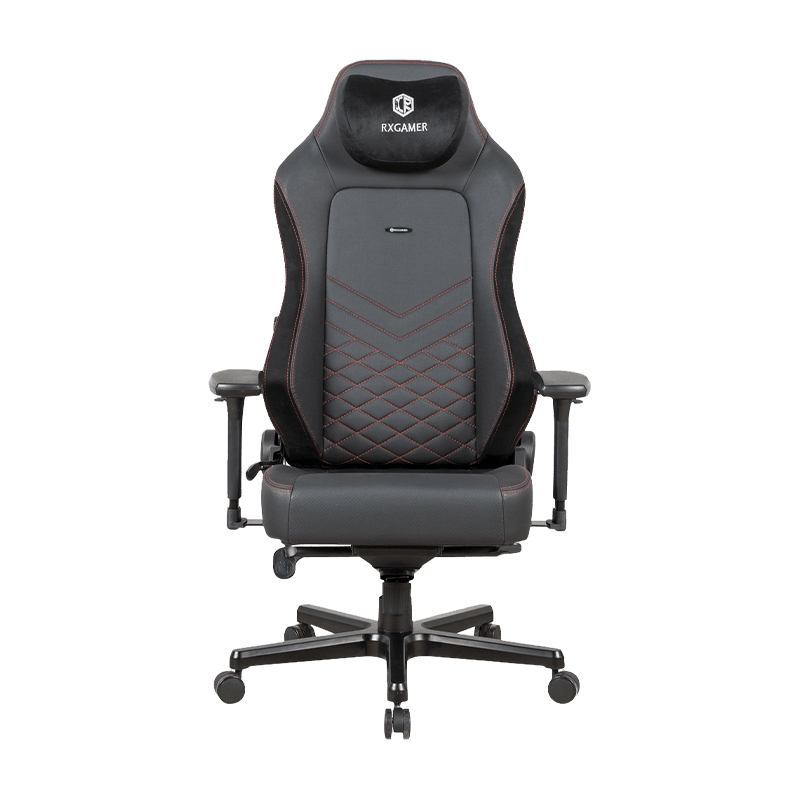
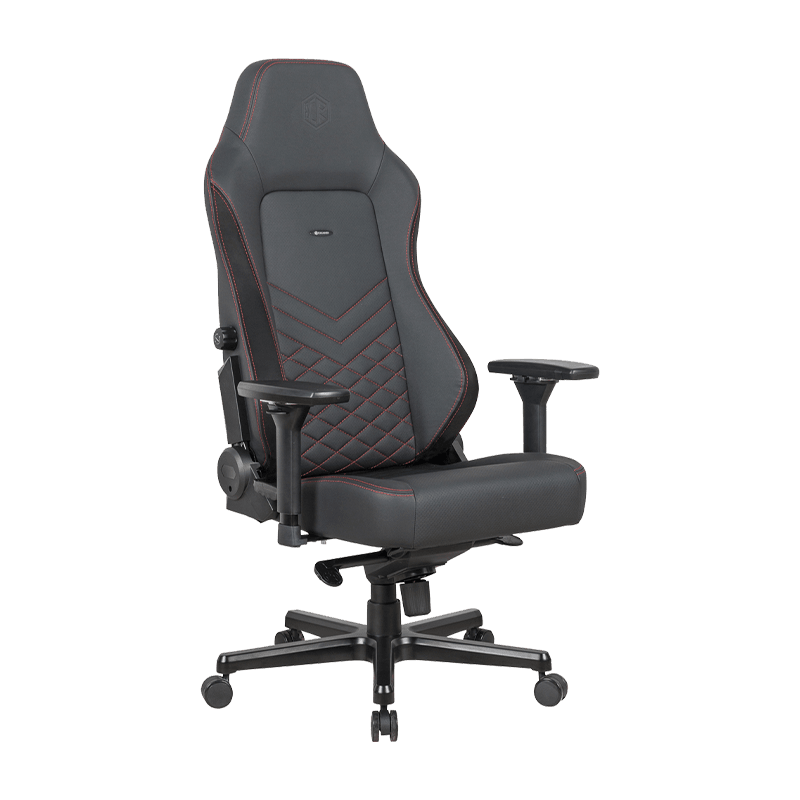
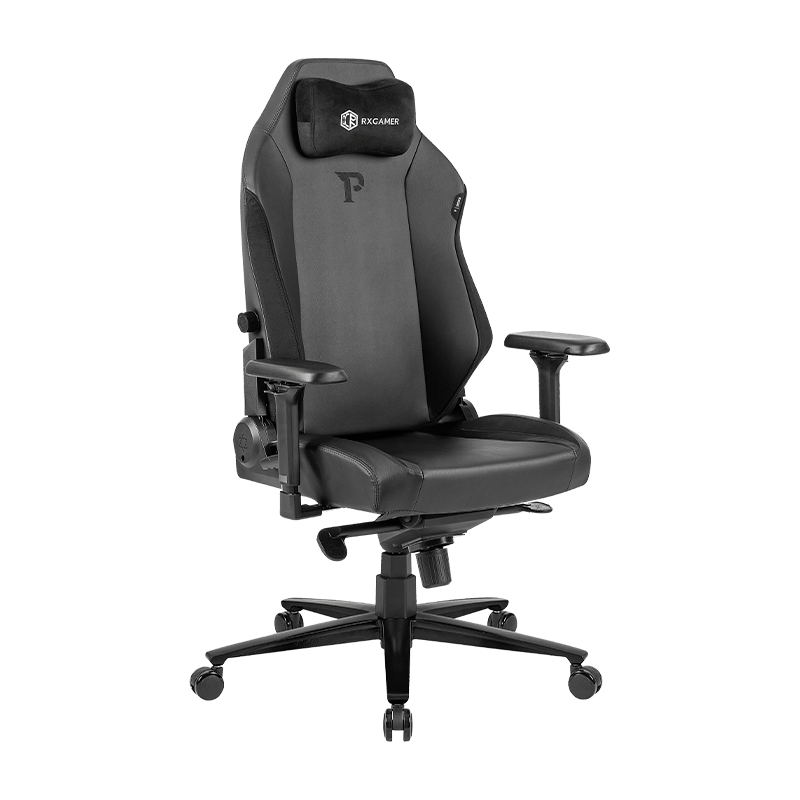
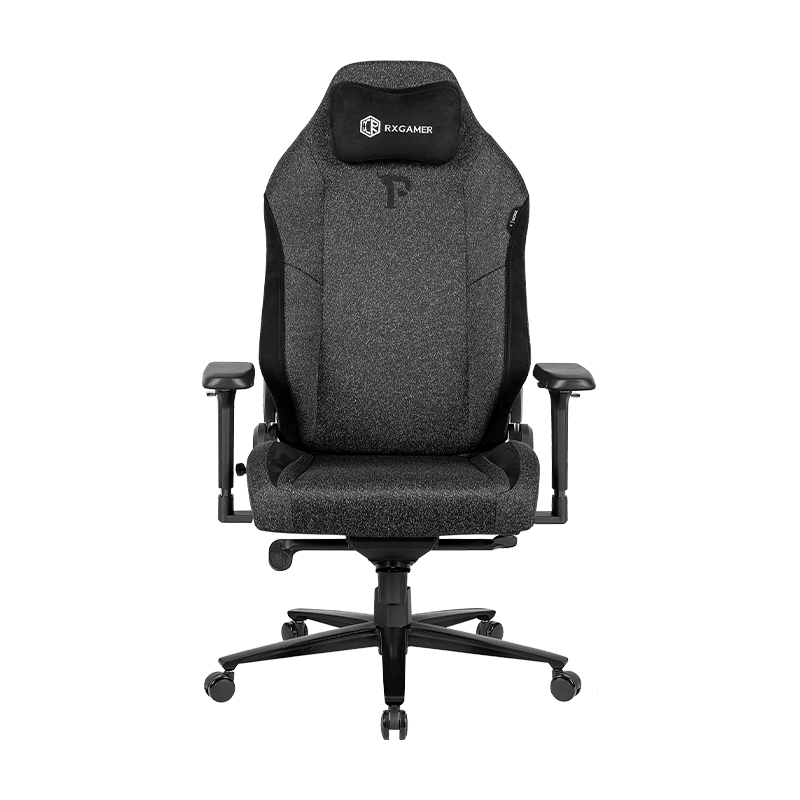
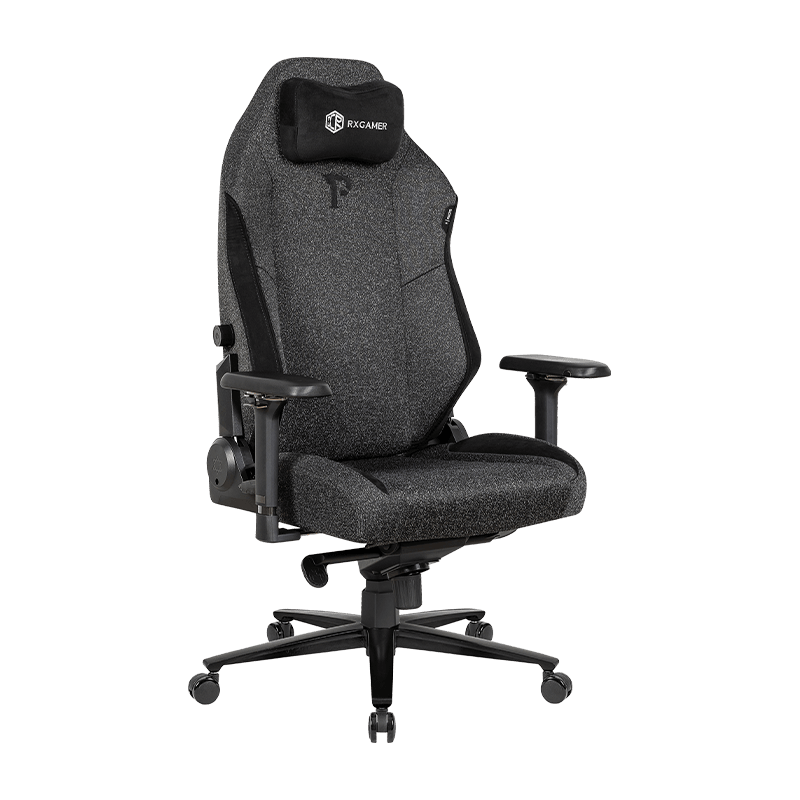
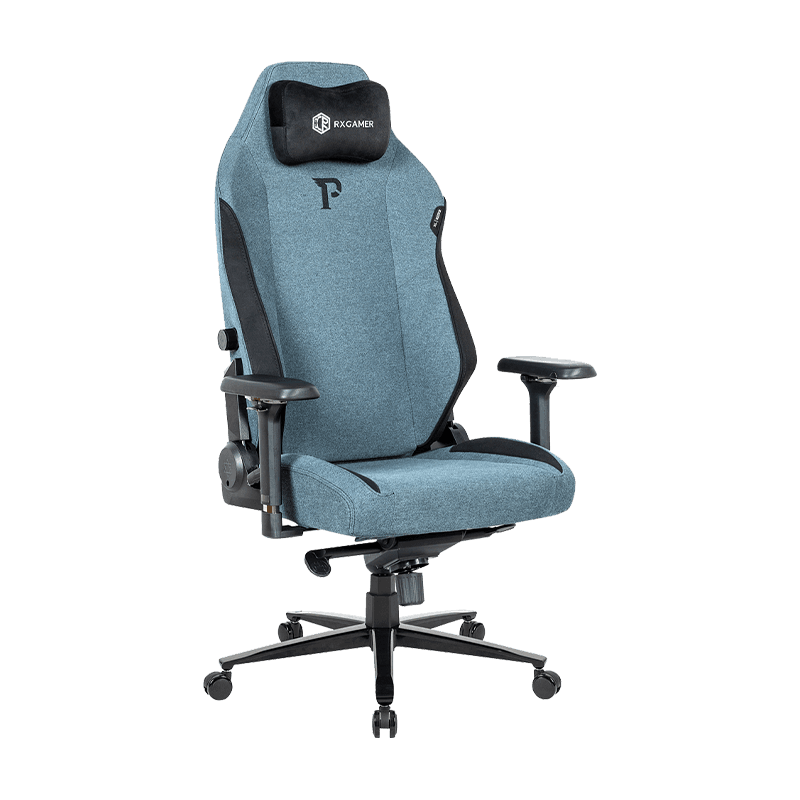
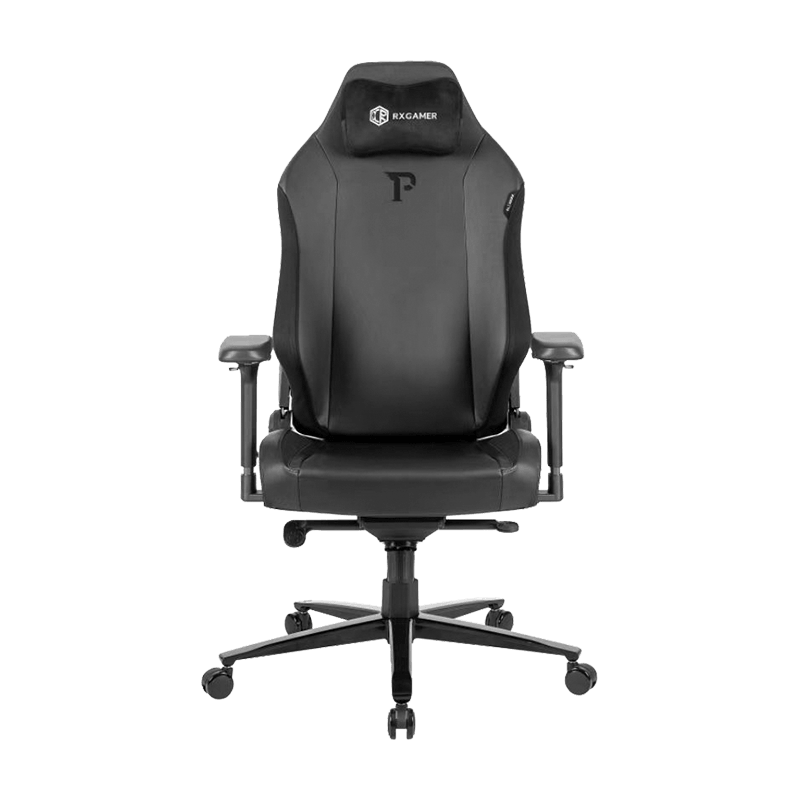
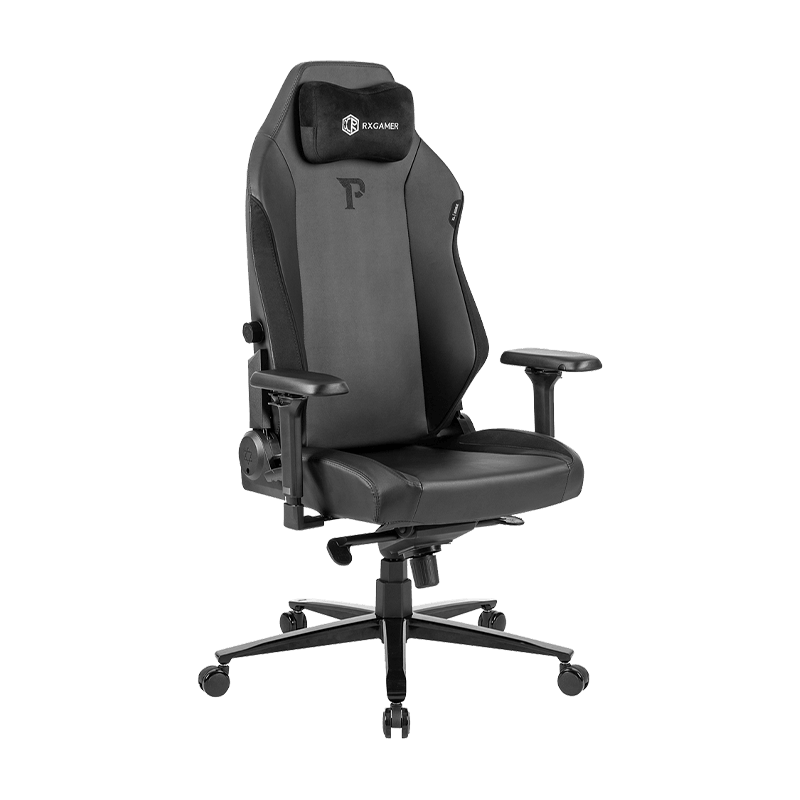
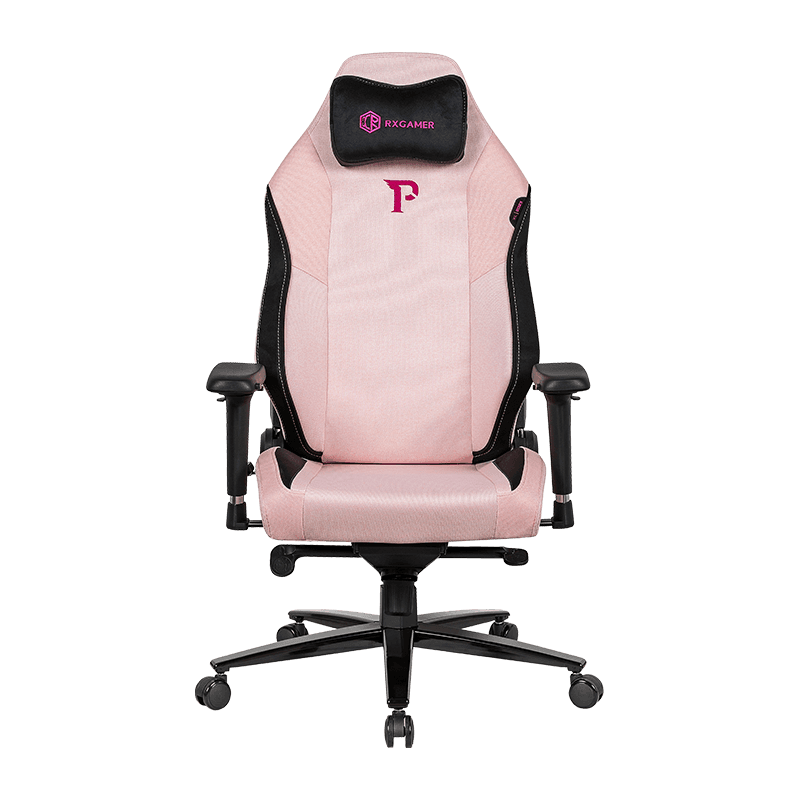
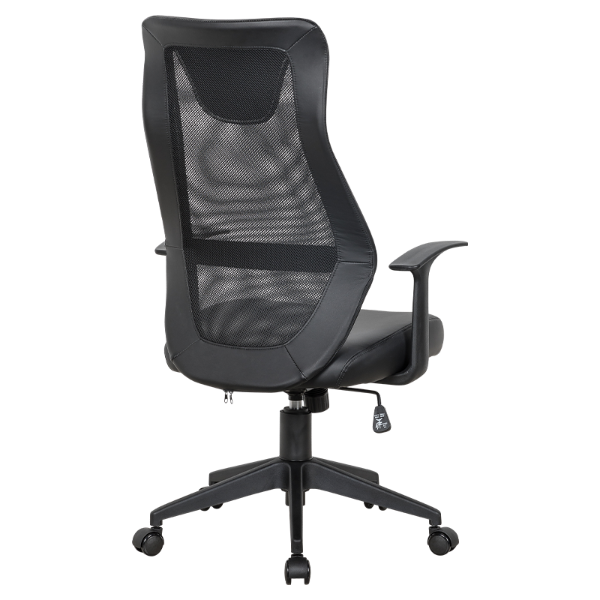
Modern RXGAMER RX-8041 ergonomic mesh office chairs incorporate sophisticated material engineering that goes far beyond simple seating. The breathable mesh construction represents a carefully balanced approach to comfort, durability, and performance.
How Mesh Fabrics Work
Mesh materials feature an open weave structure that allows air to flow freely through the fabric. This design element is crucial for temperature regulation during long work sessions. As body temperature rises during sitting, the mesh permits air circulation that prevents heat and moisture accumulation—a common problem with traditional padded or solid-backed chairs.
Material Composition Standards
Quality breathable mesh office chairs typically combine multiple materials for optimal performance:
- High-density mesh fabric for primary seating surfaces providing durability and comfort
- Strategic padding in critical support areas including lumbar region and seat base
- Reinforced frame construction using high-quality nylon bases resistant to impact and wear
- Premium casters designed for smooth, silent movement across various floor types
- Class B rated components ensuring consistent quality and safety standards
Core Ergonomic Benefits and Health Advantages
The superiority of properly designed ergonomic seating becomes evident when examining specific health and performance metrics. These chairs address fundamental aspects of workplace wellness that traditional furniture simply cannot match.
Spinal Health and Posture Support
Correct spinal alignment is the foundation of ergonomic seating design. Quality office chairs provide targeted lumbar support that maintains the natural curve of the lower spine. This support is critical because prolonged poor posture accelerates disc degeneration and creates chronic pain conditions. Adjustable features allow each user to customize support according to their unique spinal profile.
Temperature Regulation and Extended Comfort
Breathable mesh construction provides continuous temperature management throughout the workday. Employees who previously experienced afternoon discomfort from heat buildup report dramatic improvements in sustained comfort levels. This seemingly small factor significantly impacts concentration and productivity during extended work sessions.
Pressure Distribution and Circulation
Quality ergonomic chairs distribute body weight evenly across the seating surface, preventing pressure point concentration. This even distribution maintains healthy circulation during long sitting periods, reducing fatigue and the risk of developing circulatory complications associated with prolonged sitting.
Postural Flexibility
Adjustable mechanisms allow employees to modify their seating position throughout the day, encouraging postural variation rather than fixed positioning. This dynamic approach to sitting reduces muscle fatigue and the repetitive strain associated with static posture maintenance.
Essential Adjustment Features for Personalized Comfort
The difference between average and exceptional office chairs often comes down to adjustment capabilities. True ergonomic seating provides multiple customization options that accommodate diverse body types, working styles, and preferences.
Critical Adjustment Mechanisms
| Adjustment Feature | Function | Impact on Comfort |
|---|---|---|
| Seat Height Adjustment | Pneumatic gas lift allows smooth height customization | Ensures proper foot positioning and leg circulation |
| Backrest Angle Control | Recline mechanism provides variable back support angles | Accommodates different working tasks and preferences |
| Armrest Positioning | Adjustable arm supports at multiple angles and heights | Reduces shoulder and neck strain during typing and mouse use |
| Lumbar Support Adjustment | Targeted lower back support with depth customization | Provides personalized spinal alignment and pain relief |
| Seat Depth Modification | Adjustable seat pan positioning | Accommodates different leg lengths and thigh support |
| Tilt Lock Mechanism | Enables fixed or dynamic movement control | Provides stability or movement options based on preference |
Quality Standards in Adjustment Systems
Premium adjustment mechanisms utilize precision engineering to ensure smooth, reliable operation over years of daily use. Gas lift cylinders must meet strict Class specifications to guarantee safety and consistent performance. Each adjustment feature should move independently without affecting other mechanisms, providing true customization rather than compromised trade-offs.
Measurable Impact on Workplace Productivity and Wellness
Implementing quality ergonomic seating throughout an organization produces quantifiable improvements across multiple performance metrics.
Productivity Enhancements
Organizations that upgrade to ergonomic seating solutions report notable improvements in employee productivity. When physical discomfort is eliminated, employees can focus mental energy on actual work rather than managing pain or adjusting their position constantly. Research indicates productivity increases of 10-15 percent in organizations with comprehensive ergonomic programs, with office furniture being a primary component.
Reduced Absenteeism
Back pain and musculoskeletal disorders represent leading causes of workplace absence. Quality seating directly addresses these issues, resulting in fewer sick days and more consistent workforce presence. This improvement directly impacts project timelines, team coordination, and overall organizational performance.
Employee Satisfaction and Retention
Employees recognize when organizations invest in their comfort and wellness. Quality seating communicates that the company values worker health and demonstrates commitment to creating a professional work environment. This investment in employee experience correlates with improved retention rates and stronger workplace culture.
Long-term Cost Savings
While ergonomic seating represents an initial investment, the return materializes through reduced workers compensation claims, lower absenteeism costs, increased productivity, and improved employee retention. Many organizations find that their investment pays for itself within 2-3 years through these measurable benefits.
Selecting the Right Ergonomic Chair for Your Needs
Choosing appropriate office seating requires understanding key specifications and how they align with individual requirements and workplace conditions.
Evaluating Your Requirements
- Assess your daily sitting duration and work activities
- Consider your body type, height, and weight distribution
- Evaluate existing discomfort areas or health concerns
- Determine workspace constraints and aesthetic preferences
- Identify budget parameters and long-term investment goals
Key Specifications to Examine
Quality ergonomic chairs incorporate specific technical standards that ensure performance and durability:
- Base material: High-quality nylon construction (Class B standards) rated for durability and impact resistance
- Casters: Premium wheel design engineered for smooth, silent operation across various floor surfaces
- Gas lift mechanism: Class 2 or higher pneumatic systems ensuring safe, smooth height adjustment
- Fabric rating: Dual-mesh or premium mesh construction providing breathability and durability
- Armrest quality: Adjustable armrests with Class B safety ratings
- Weight capacity: Sufficient rating for your body weight plus safety margin
Testing and Adjustment
Before finalizing a purchase, spend meaningful time in the chair evaluating comfort. Adjust all features to your preferences and assess how the chair responds to your positioning needs. The best specifications mean nothing if the chair doesn't feel comfortable during actual use. Pay attention to how the lumbar support aligns with your spine, how the seat pan supports your thighs, and whether the armrests accommodate your arm position during typing.
Maintenance and Longevity of Modern Office Chairs
Proper maintenance extends the lifespan of quality ergonomic seating and maintains optimal performance throughout years of use.
Regular Care Practices
- Clean mesh fabric regularly using a soft brush to remove dust and debris accumulation
- Wipe down all surfaces with a slightly damp microfiber cloth weekly
- Check and tighten all bolts and connection points monthly
- Ensure casters roll smoothly without obstruction or damage
- Test all adjustment mechanisms regularly for smooth operation
- Avoid exposing the chair to direct sunlight for extended periods
Professional Maintenance
Most quality ergonomic chairs benefit from professional inspection annually. Technicians can identify wear patterns, lubricate moving parts, replace worn casters, and ensure all safety mechanisms function properly. This preventive approach costs significantly less than replacing damaged components or entire chairs prematurely.
Component Replacement
Quality office furniture manufacturers typically offer replacement components including casters, armrests, gas lift cylinders, and mesh fabric. This modular approach extends chair lifespan indefinitely while allowing for style updates or performance improvements as technology advances.
Beyond Comfort: Creating a Culture of Workplace Wellness
While ergonomic seating forms the foundation of a healthy workspace, true wellness requires a comprehensive approach that extends beyond furniture selection.
Integrated Wellness Programs
Organizations that combine quality ergonomic seating with complementary wellness initiatives see the greatest returns. Movement breaks, standing desk options, exercise programs, and ergonomic training amplify the benefits of quality seating by creating a comprehensive approach to employee health.
Ergonomic Education
Even the best chairs provide limited benefit if employees don't understand proper usage and positioning. Training programs that teach correct posture, chair adjustment techniques, and healthy workspace setup maximize the value of seating investments. Many organizations discover that simple education produces measurable improvements in employee comfort and productivity.
Customization and Individual Preference
Recognizing that no single chair perfectly suits every employee, forward-thinking organizations provide options that accommodate different body types and working styles. This flexibility demonstrates respect for individual needs while promoting inclusivity in the workplace environment.
Future Innovations in Office Seating Technology
The evolution of ergonomic office furniture continues rapidly, with emerging technologies promising enhanced comfort and health benefits.
Smart Seating Integration
Next-generation office chairs increasingly incorporate sensors that monitor posture, sitting duration, and movement patterns. This data enables real-time feedback encouraging healthy sitting habits and posture adjustments without requiring active user intervention.
Advanced Material Science
Research into new mesh fabrics, cushioning materials, and structural innovations continues pushing the boundaries of comfort and durability. Temperature-responsive materials, improved airflow designs, and sustainable manufacturing approaches represent the frontier of office furniture development.
Modular and Sustainable Design
Environmental consciousness increasingly influences furniture design, with manufacturers developing chairs using recycled materials and modular components that can be updated or repaired indefinitely. This approach aligns business sustainability goals with user preferences for long-lasting, adaptable furniture.
Comparing Seating Options: A Comprehensive Analysis
Understanding how different seating types compare helps organizations make informed decisions aligned with their specific needs and budget parameters.
| Seating Type | Primary Advantages | Limitations | Best Use Case |
|---|---|---|---|
| Basic Office Chairs | Low initial cost, simple design | Limited adjustments, poor ergonomics, uncomfortable for extended use | Short-term or temporary seating |
| Padded Chairs | Initial comfort, familiar design | Poor ventilation, material deterioration, limited adjustment options | Occasional users or visitors |
| Ergonomic Mesh Chairs | Superior comfort, breathable design, comprehensive adjustments, durability | Higher initial investment | Full-time office workers and knowledge professionals |
| Executive Leather Chairs | Premium appearance, comfortable for short periods | Poor airflow, expensive, limited ergonomic features | Executive offices or formal settings |
| Gaming Chairs | Bold styling, some ergonomic features | Often overpriced relative to actual performance, questionable durability | Specialized gaming or creative work environments |
Implementing Ergonomic Seating in Your Organization
Successfully transitioning to ergonomic office furniture requires thoughtful planning and systematic execution across your organization.
Phase One: Assessment
Begin by evaluating current seating conditions and employee feedback. Conduct surveys identifying discomfort areas, pain points, and specific needs. This information guides selection of appropriate models and helps prioritize upgrades across departments.
Phase Two: Pilot Program
Introduce quality ergonomic seating to a selected department or team first. This approach allows real-world testing, gathers employee feedback, identifies training needs, and demonstrates return on investment before full-scale implementation.
Phase Three: Training and Education
Before and during rollout, conduct comprehensive training on proper chair adjustment and ergonomic principles. Include information on optimal posture, recommended sitting duration, movement breaks, and troubleshooting common adjustments.
Phase Four: Gradual Rollout
Execute the full implementation systematically, coordinating with existing furniture lifecycles and budget cycles. This phased approach spreads costs and allows adjustment based on pilot program learnings.
Phase Five: Ongoing Support
Establish processes for maintaining equipment, addressing employee questions, and gathering long-term feedback. Regular check-ins ensure the program continues delivering intended benefits and allows for adjustments as organizational needs evolve.
Calculating Return on Investment for Ergonomic Upgrades
Quantifying the financial benefits of ergonomic seating helps justify investments and demonstrates organizational commitment to data-driven decision-making.
Direct Cost Reductions
- Workers compensation claim reduction: Decreased back injuries and musculoskeletal disorders translate directly to lower insurance costs
- Absenteeism reduction: Fewer sick days means maintained productivity levels without replacement labor costs
- Reduced turnover: Improved employee satisfaction lowers recruitment and training costs associated with replacing departing staff
Indirect Benefits
- Productivity improvements: Enhanced focus and reduced discomfort-related distractions increase output quality and quantity
- Employee morale: Visible investment in worker wellness improves job satisfaction and workplace culture
- Brand reputation: Commitment to ergonomics and wellness enhances organizational reputation as an employer of choice
Calculating Your ROI
Establish baseline metrics before implementation including sick days per employee, workers compensation claims, and productivity measures. Track the same metrics for 12-24 months post-implementation, calculating total savings and comparing to seating investment. Most organizations discover ROI within 2-3 years, with ongoing benefits extending throughout the furniture's lifespan.
Frequently Asked Questions About Ergonomic Office Seating
Q1: How long does it take to adjust to a new ergonomic chair?
Most users experience noticeable comfort improvements immediately. However, full adaptation to optimal positioning typically requires 1-2 weeks as muscles adjust to proper spinal alignment. Some adjustment learning curve is normal as users explore all customization features available in their chair.
Q2: What is the difference between Class 2 and Class B ratings?
Class ratings refer to different safety and performance standards. Class 2 gas lift cylinders meet specific safety requirements for pneumatic systems, while Class B ratings apply to casters, armrests, and other components. These designations ensure consistent quality and durability across chair components.
Q3: Can ergonomic mesh chairs accommodate all body types?
Quality ergonomic chairs provide extensive adjustment ranges accommodating diverse body types from petite to larger frames. Weight capacity ratings indicate maximum supported weight, while adjustable features including seat height, depth, and backrest angle accommodate different proportions. However, extreme size variations may require specialized seating solutions.
Q4: How often should mesh fabric be cleaned?
Light cleaning weekly using a soft brush removes dust and maintains appearance. Deep cleaning quarterly using specialized upholstery cleaners keeps mesh fabric fresh and extends lifespan. Spills should be addressed immediately with appropriate cleaning solutions to prevent staining or material damage.
Q5: Are expensive office chairs always better than moderately priced options?
Price doesn't automatically correlate with quality or suitability. While premium chairs offer advanced features and materials, many moderately priced ergonomic options provide excellent comfort and adjustment capabilities. Focus on specific features meeting your needs rather than price point alone when evaluating options.
Q6: Can I use an ergonomic office chair for extended periods?
Yes, quality ergonomic chairs are specifically designed for full-time use. However, even the best chairs benefit from movement breaks every 30-60 minutes. Standing, walking, or stretching periodically prevents muscle stiffness and promotes circulation regardless of chair quality.
Q7: What warranty coverage typically applies to ergonomic office chairs?
Warranty coverage varies by manufacturer but typically includes frame components for 5-10 years, mechanisms for 3-5 years, and fabric for 1-3 years. Extended warranty options often provide additional coverage. Review warranty terms carefully as they indicate manufacturer confidence in product durability.
Q8: How do I know if an office chair fits my body properly?
A properly fitting chair maintains a 90-degree angle at hip, knee, and elbow when adjusted correctly. Feet should rest flat on the floor or footrest. Lumbar support should align with your lower spine's natural curve. Armrests should support forearms without forcing shoulders upward or hunching.
Q9: Are mesh chairs suitable for humid climates?
Breathable mesh design actually performs better in humid environments than solid-backed chairs. The open weave allows air circulation that prevents moisture accumulation and heat buildup, making mesh chairs ideal for warm or humid climates where temperature regulation is particularly important.
Q10: What maintenance extends an office chair's lifespan?
Regular cleaning, periodic bolt tightening, caster inspection, and professional maintenance services significantly extend chair lifespan. Avoiding excessive weight beyond rated capacity, preventing damage to mesh fabric, and addressing wear issues promptly prevents minor problems from becoming major repairs requiring component replacement.
Conclusion: Investing in Workplace Comfort Transforms Organizations
Modern ergonomic office chairs represent far more than simple furniture upgrades. These carefully engineered solutions address fundamental aspects of workplace health, comfort, and productivity that impact both individual employees and organizational performance.
The evidence is clear: quality seating investments deliver measurable returns through reduced absenteeism, improved productivity, enhanced employee satisfaction, and lower workers compensation costs. Organizations that prioritize ergonomic seating demonstrate commitment to employee wellness while securing competitive advantages through improved performance and retention.
As workplaces continue evolving and remote/hybrid models create new flexibility challenges, the importance of quality seating solutions grows. Whether equipping a traditional office, supporting hybrid workers, or designing collaborative spaces, ergonomic chairs provide the foundation for creating truly comfortable, productive work environments.
The question is no longer whether to invest in ergonomic seating, but rather how quickly an organization can transition to solutions that serve both employee health and business objectives. In an increasingly competitive talent market, comfortable, well-designed workplaces become essential tools for attracting and retaining top talent while maximizing organizational performance.