
 English
 中文简体
中文简体 русский
 Español
 عربى
عربى
The Evolution of Gaming Chair Design: Understanding Today's Standards
The gaming chair industry has undergone remarkable transformation over the past decade. What once represented simple office furniture repurposed for gaming has evolved into a specialized category combining biomechanics, materials science, and user-centered design. Traditional gaming chairs typically focus on basic adjustability—height, backrest tilt, and perhaps armrest position. However, modern gaming enthusiasts demand far more sophisticated solutions that address prolonged sitting sessions lasting eight hours or more.
The emergence of advanced gaming chairs reflects a fundamental shift in how manufacturers understand the relationship between seating ergonomics and performance. Contemporary designs now incorporate multiple adjustment points, premium materials, and thoughtfully engineered support systems. This evolution addresses growing awareness about postural health, muscle fatigue, and the long-term physical impacts of extended gaming sessions.
Foundation of Comfort: Material Science in Gaming Chairs
The distinction between ordinary and exceptional gaming chairs often begins with material selection. The construction of a chair's primary surfaces directly influences comfort during extended use, heat dissipation, durability, and overall user experience. Traditional gaming chairs frequently employ single-material construction, which presents compromises in functionality across different body regions and environmental conditions.
Strategic Material Layering for Multiple Climates
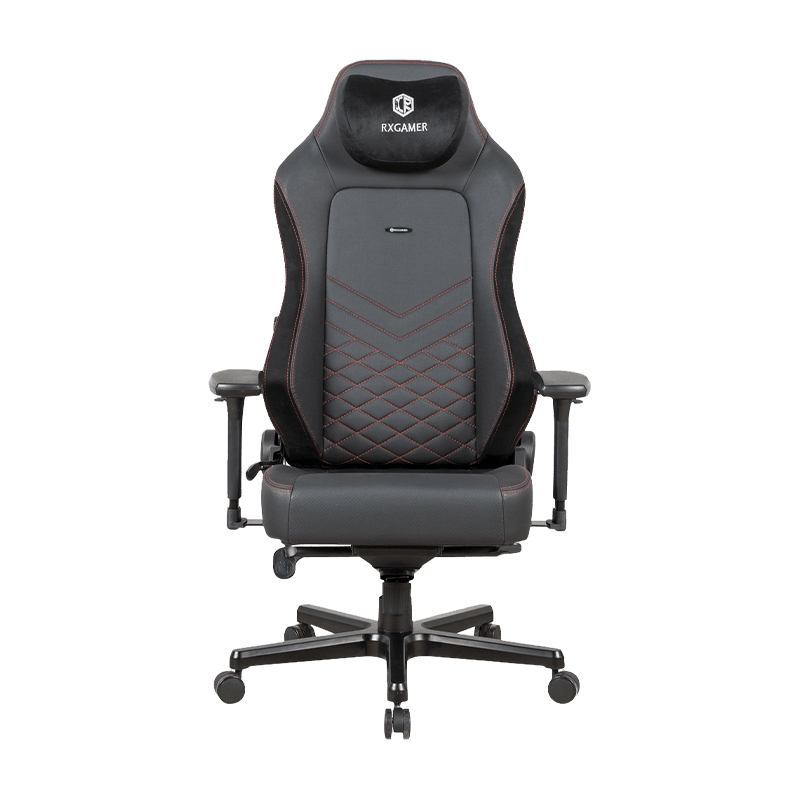
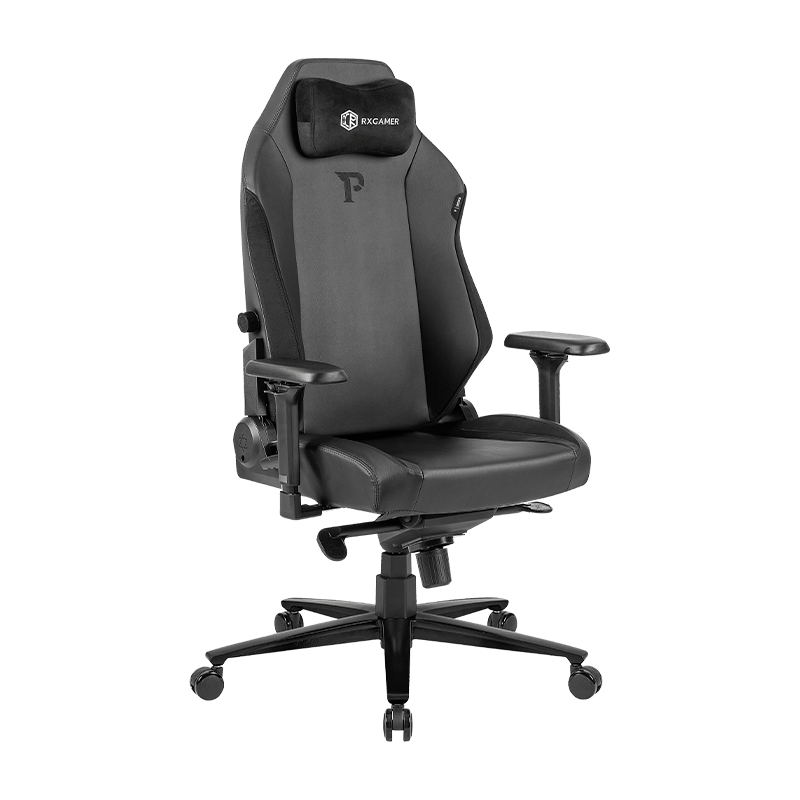
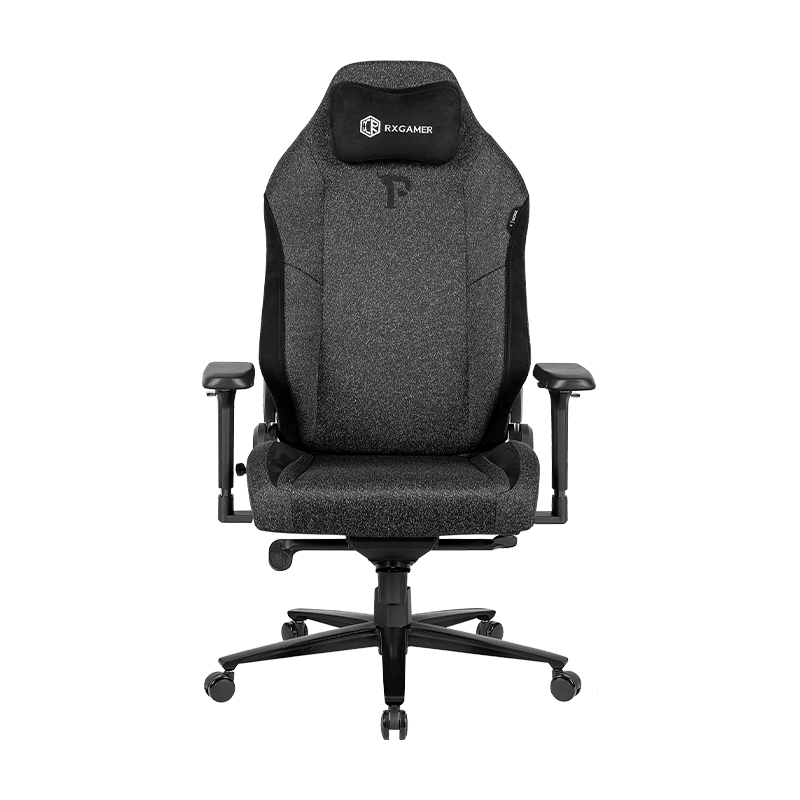
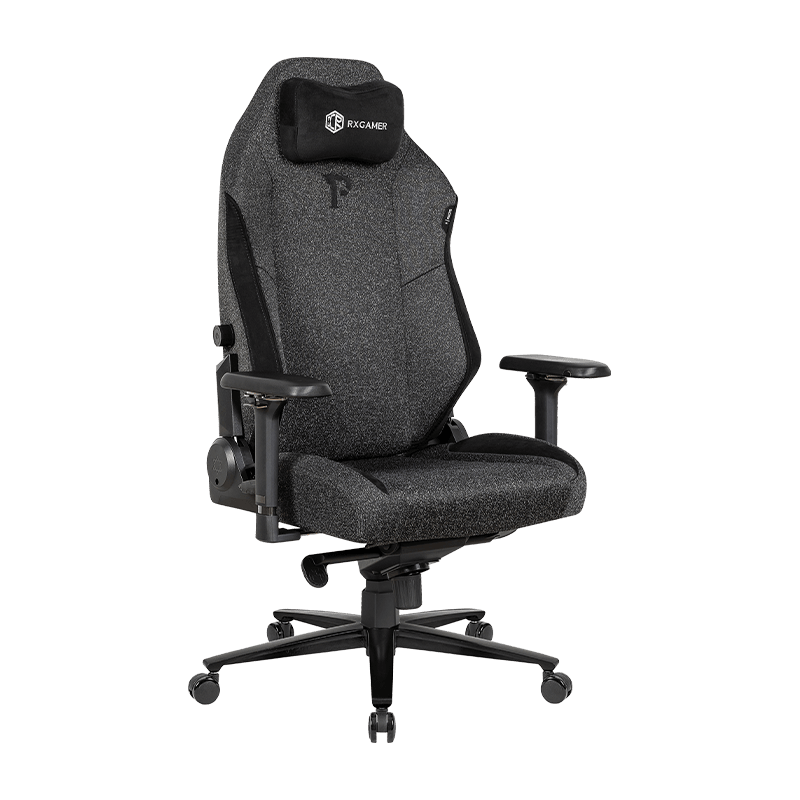
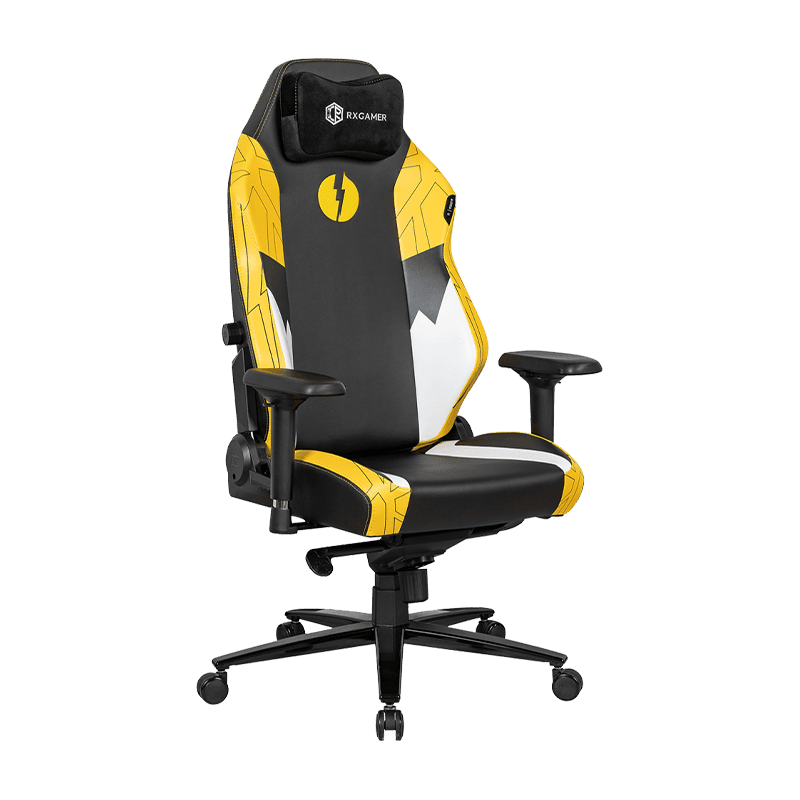
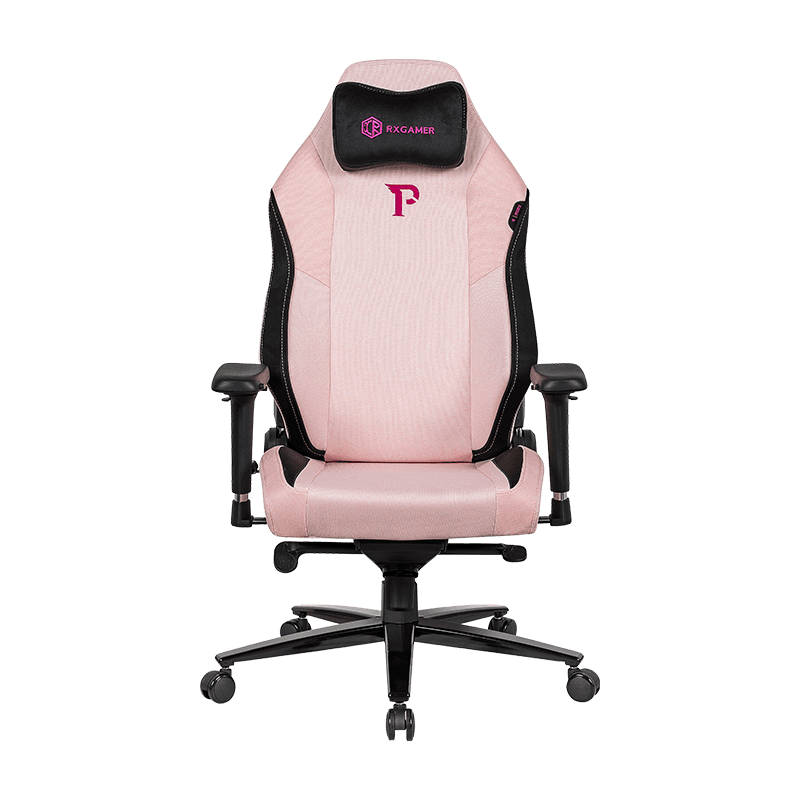
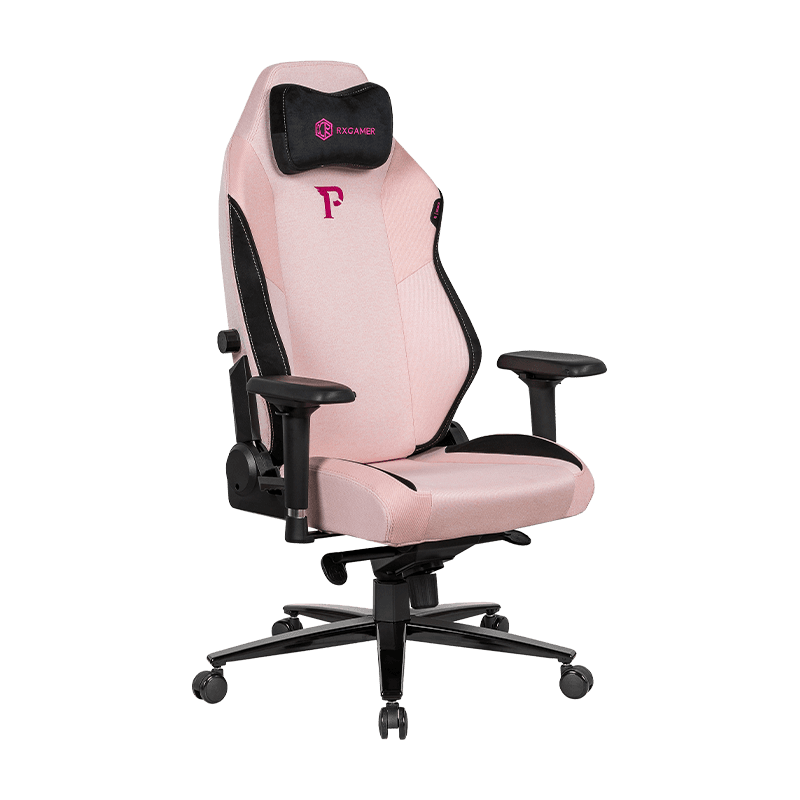
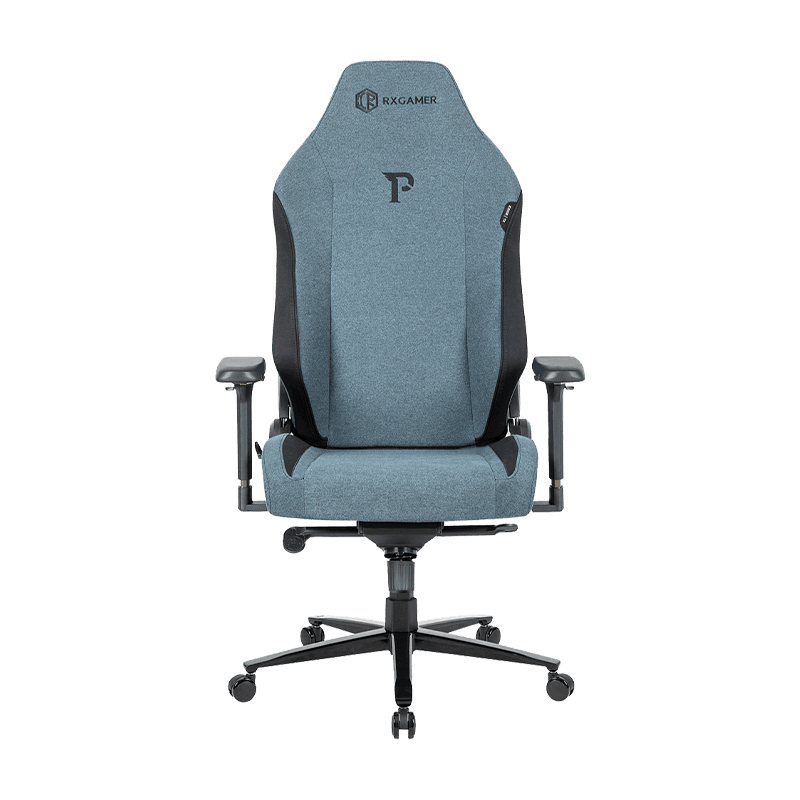
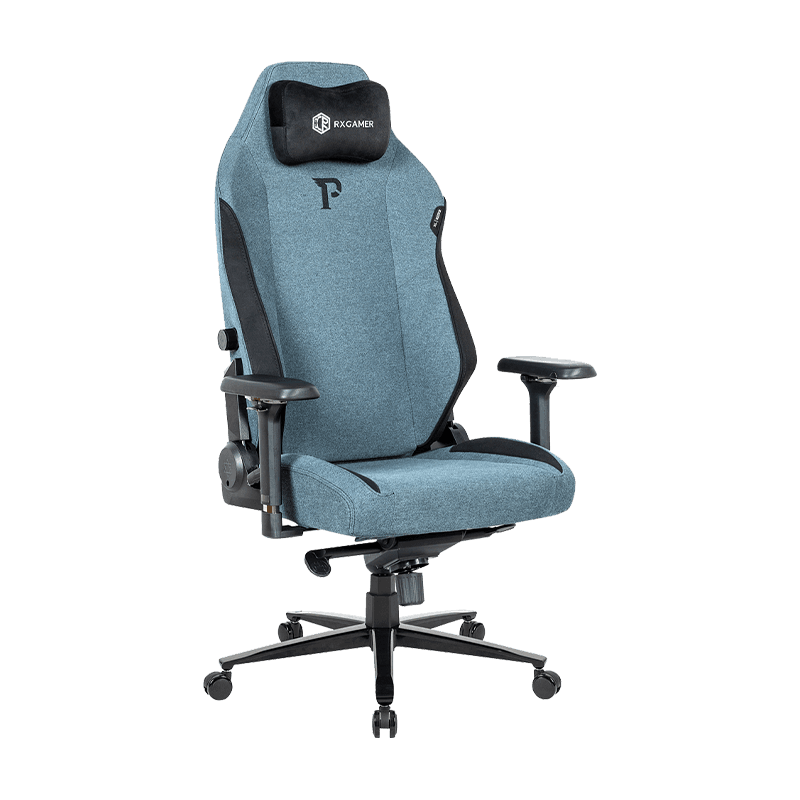
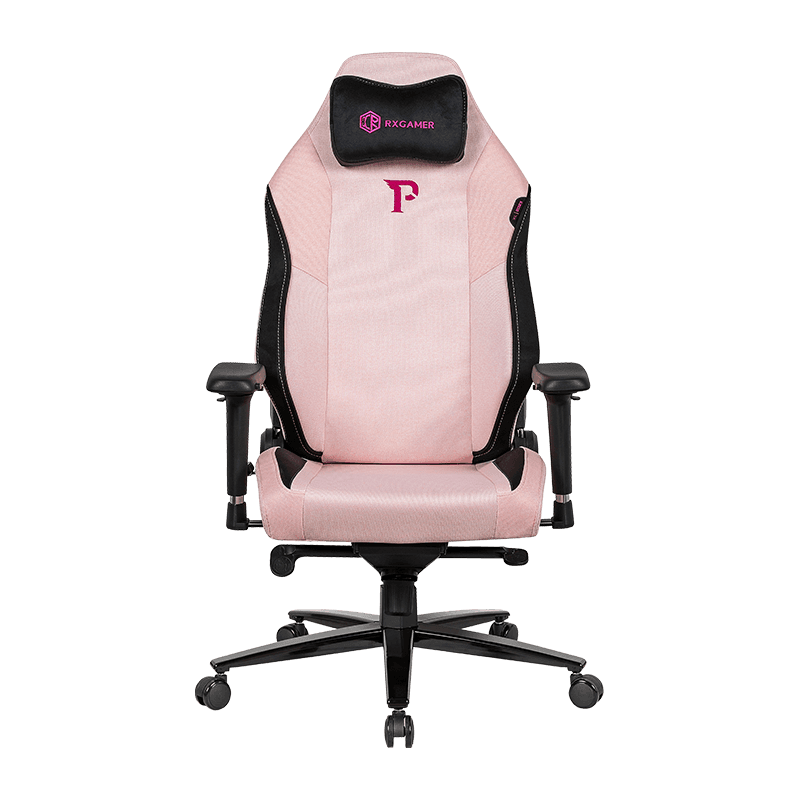
Advanced gaming chair construction recognizes that different areas of the body have varying thermal and support requirements. The RX-2190 implements a strategic material composition featuring deep blue cotton blend fabric combined with specialized suede and velvet textiles. This layered approach serves multiple functions simultaneously.
- Cotton blend primary surfaces provide breathability during high-intensity gaming sessions, reducing heat accumulation in areas with greater perspiration
- Suede components offer enhanced tactile comfort and subtle grip properties that prevent unwanted shifting during dynamic seating positions
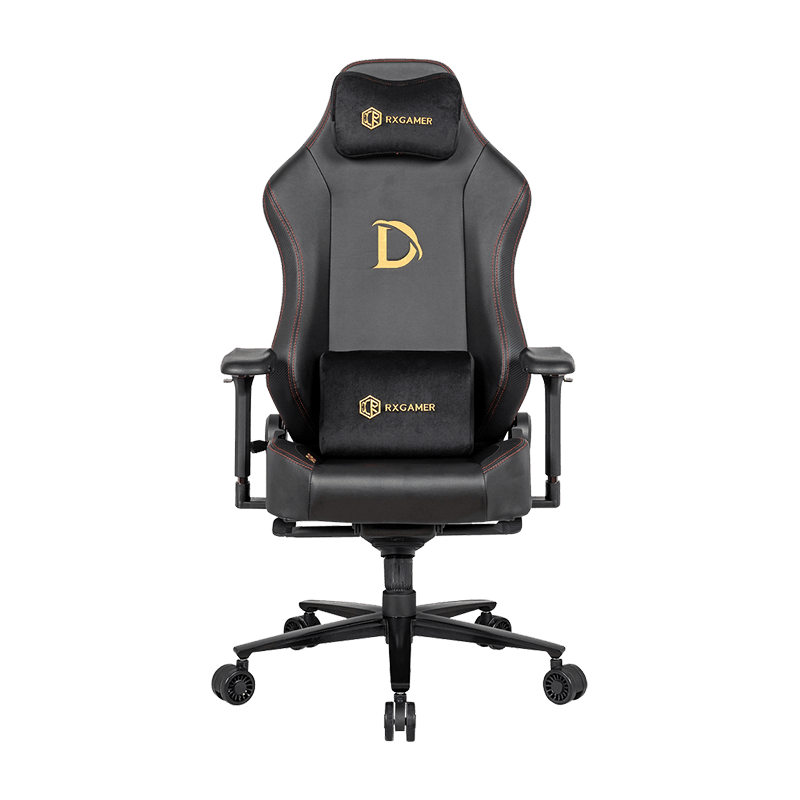
- Velvet textile applications in headrest and lumbar support pouches deliver premium comfort for extended contact with head and lower back regions
This tripartite material strategy differs fundamentally from traditional gaming chairs that often rely on single synthetic leather or fabric throughout. The specialized composition acknowledges that the headrest experiences different use patterns than armrests, and the lower back requires different support characteristics than the seat base.
Durability Through Material Engineering
Material selection extends beyond immediate comfort to encompass long-term durability and value retention. Premium fabric compositions maintain their structural integrity through thousands of usage cycles, resisting pilling, fading, and deterioration that plague budget alternatives. The cotton blend construction exhibits superior resilience compared to purely synthetic materials, which can degrade when exposed to varied humidity and temperature conditions common in gaming environments.
The 4D Armrest Innovation: Redefining Arm Support Paradigms
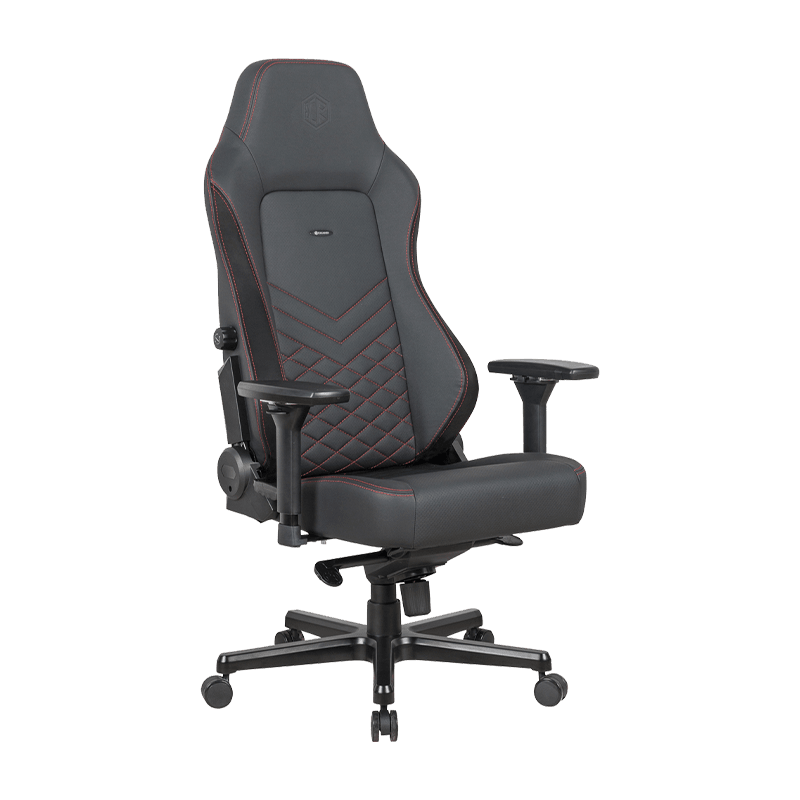
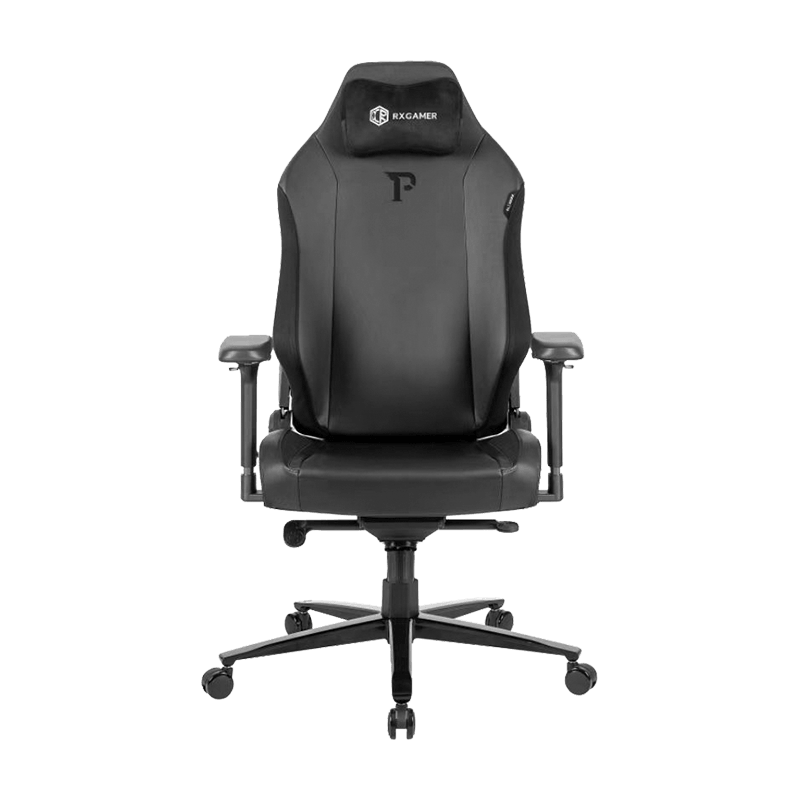
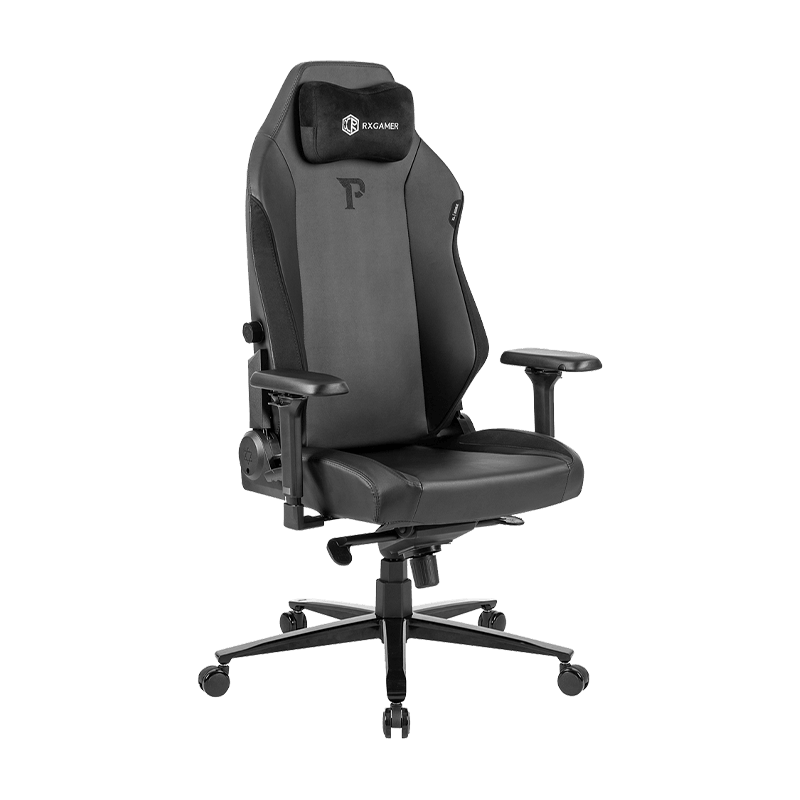
Perhaps the most distinctive differentiator between the RXGAMER approach and traditional gaming chairs lies in armrest engineering. Conventional gaming chairs typically offer two-dimensional armrest adjustment: height and forward-backward positioning. This rudimentary system fails to address the complex three-dimensional movement patterns of actual gaming scenarios, which demand simultaneous height adjustment, lateral positioning, rotational capability, and depth variation.
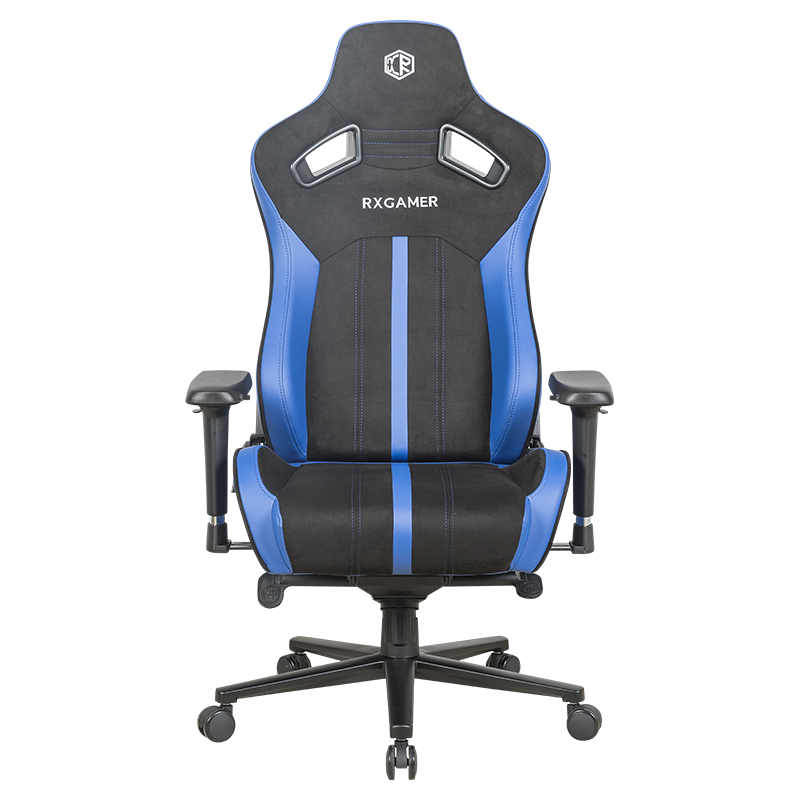
Understanding the Four Dimensions of Armrest Adjustment
The fourth dimension in armrest engineering encompasses four independent adjustment capabilities that function synergistically rather than as isolated controls. Understanding each dimension clarifies why this represents such a significant departure from traditional design philosophy.
| Adjustment Dimension | Range of Motion | Primary Function |
|---|---|---|
| Height Adjustment | Vertical movement axis | Aligns armrest to shoulder and elbow height |
| Forward-Backward Positioning | Anterior-posterior movement | Positions armrest relative to torso depth |
| Lateral Adjustment | Medial-lateral movement axis | Accommodates shoulder width variations |
| Rotational Capability | Circumferential axis rotation | Enables angled positioning for various tasks |
Mechanical Implementation of 4D Technology
The engineering that enables four-dimensional armrest adjustment requires sophisticated mechanical components. The RX-003# armrest assembly incorporates a four-hole steel plate measuring 22.5 centimeters in length, which serves as the mounting interface for all adjustment mechanisms. This substantial steel infrastructure, electroplated for corrosion resistance, provides the structural foundation necessary to support repeated adjustments over years of use without degradation.
The main tube construction features electroplating processes that enhance both durability and aesthetic appeal. This protective coating resists oxidation, moisture penetration, and the wear patterns that emerge through frequent adjustment cycles. Unlike painted alternatives that chip and reveal underlying material, electroplating maintains its protective and visual properties throughout the chair's lifespan.
Practical Gaming Applications of 4D Armrests
The theoretical advantages of four-dimensional armrest adjustment materialize most clearly when considering the diverse gaming scenarios modern enthusiasts encounter. Different game genres, controller types, and playstyles create varying demands on arm and shoulder positioning.
- Fast-paced competitive gaming requiring rapid mouse movements benefits from armrests positioned precisely to support explosive arm extension without restricting motion range
- Strategy gaming sessions involving sustained mouse and keyboard use demand different armrest angles to reduce forearm pronation and wrist tension
- Racing simulation enthusiasts using wheel controllers require armrest configurations that accommodate the wider stance and rotational arm movements specific to steering inputs
- Casual gaming with controller-based systems necessitates armrest positions that support relaxed arm posture during extended play sessions
The ability to reconfigure armrest positioning for different activities within a single gaming session eliminates the need for chair adjustment compromises. Users no longer accept suboptimal positioning as an unavoidable trade-off but instead optimize their seating configuration for each specific activity.
Comprehensive Ergonomic Architecture Beyond Standard Features
Ergonomic design in gaming chairs extends far beyond armrest configuration, encompassing a holistic approach to body support and postural maintenance. The challenge lies in creating a seating solution that accommodates diverse body types, heights, and proportions while maintaining consistent comfort during marathon gaming sessions.
Lumbar Support System: Beyond the Generic Pillow Approach
Traditional gaming chairs frequently incorporate afterthought lumbar support—a generic pillow loosely attached to the backrest that provides minimal actual support and often migrates during use. Advanced ergonomic design recognizes the lumbar region as deserving dedicated engineering attention proportional to its critical role in spinal health.
The integrated lumbar support pouch in contemporary high-performance gaming chairs represents a fundamental design philosophy shift. Rather than a detachable pillow, the support structure becomes an integral component of the backrest architecture. Velvet textile construction in this region provides both comfort and functionality, preventing the support structure from sliding or shifting during dynamic seating positions.
Proper lumbar support achieves several critical objectives for extended gaming sessions. It maintains the natural lordotic curve of the lumbar spine, preventing the forward-flexed posture that emerges through prolonged sitting. This positional maintenance reduces strain on intervertebral discs and supporting musculature, directly impacting fatigue levels and post-session physical recovery.
Backrest Angle Adjustment: The 90-135 Degree Range
The mechanical framework enabling backrest angle adjustment from 90 to 135 degrees provides a surprisingly broad range of functional positioning options. This range addresses the spectrum from upright working postures suitable for strategy gaming and content creation to deeply reclined positions appropriate for casual entertainment and brief rest intervals.
The engineering supporting this 45-degree adjustment range involves specialized components. Hongna 510A# dedicated channel steel, utilizing the same robust construction as established gaming chair platforms, provides the mechanical foundation. The 510B# angle adjuster housing, positioned in the lower backrest section, executes the tilting mechanism while maintaining structural integrity throughout the adjustment range.
The significance of this specific angular range reflects ergonomic research demonstrating that seated activities benefit from postural variation. Gaming sessions spanning multiple hours benefit tremendously from periodic backrest angle modifications, which alter load distribution across the spine, engage different muscle groups, and provide brief relief to fatigued tissues. This design philosophy acknowledges that truly ergonomic seating embraces dynamic positioning rather than enforcing static posture.
Headrest Positioning and Cervical Support
The cervical spine region represents a frequently overlooked component of gaming chair design, despite its critical importance for extended sessions. Poor cervical support contributes to forward head posture, which accumulates strain on neck musculature and can trigger tension headaches and chronic neck pain that persists long after gaming concludes.
The integrated headrest featuring velvet textile provides both comfort and functional support for the cervical region. The textile composition prevents slippage and provides thermal comfort, ensuring the headrest remains properly positioned even during dynamic head movements common in intense gaming sessions. This contrasts sharply with traditional detachable pillows that migrate, compress unevenly, and provide inconsistent support.
Foundation and Structural Integrity: The Overlooked Foundation of Chair Performance
While armrest and backrest innovations capture user attention, the structural foundation largely determines whether a gaming chair maintains its performance characteristics over months and years of use. The base structure of a chair experiences continuous stress from dynamic seating positions, weight shifts, and the cumulative mechanical wear inherent to gaming sessions.
Powder-Coated Iron Legs: Engineering for Permanence
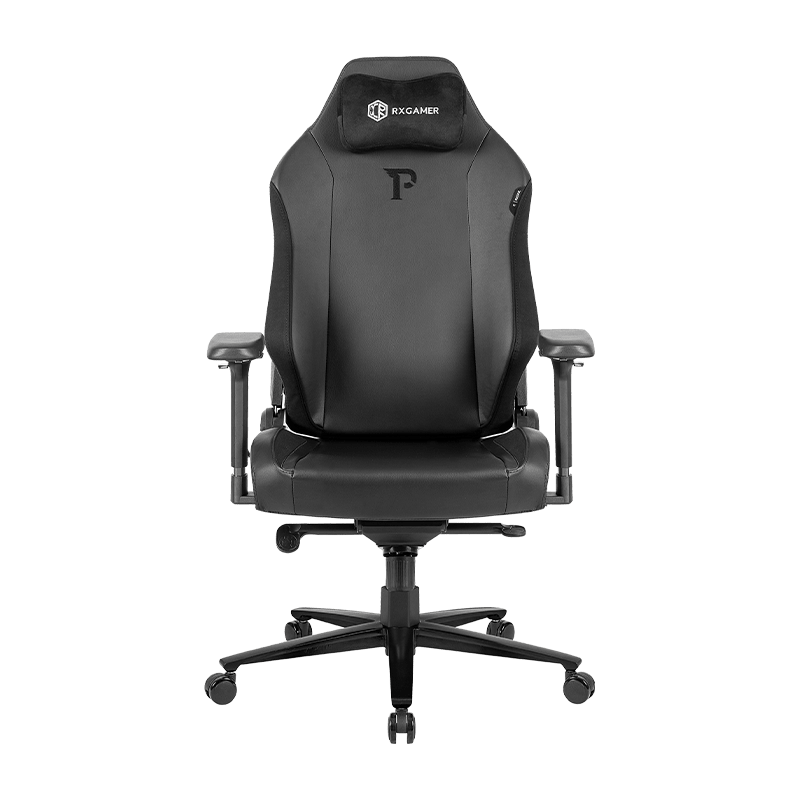
The M32# 350# matte black powder-coated iron legs represent a deliberate engineering choice prioritizing durability over cost reduction. The specific material designation indicates precise metallurgical specifications designed for gaming chair applications. Powder coating, as opposed to paint or bare metal, provides superior protection against the oxidation, moisture, and wear that emerge from long-term chair use.
The matte black finish balances aesthetic considerations with functional benefits. Unlike glossy finishes that highlight dust and fingerprints, matte surfaces maintain their appearance through the inevitable contact and handling that occurs during chair use, relocation, and cleaning. This practical consideration reflects design-thinking that extends beyond initial appearance to encompass realistic maintenance requirements.
Silent Wheel Technology: Eliminating Acoustic Distraction
One distinctive feature that clearly differentiates premium gaming chairs from budget alternatives involves wheel technology. The 60# cup-less PU wheels with silent-type classification directly address a frustration familiar to any gamer who has experienced standard rolling wheels creating noise and distraction during critical gaming moments.
The "cup-less" design reference indicates a specific wheel engineering approach that eliminates the metal cup component common in standard office chair wheels. This architectural choice reduces vibration transmission and mechanical noise that would otherwise propagate through the chair structure to reach user awareness during critical gaming moments. The polyurethane material composition balances rolling smoothness with sufficient surface grip to enable precise chair positioning adjustments without unwanted movement.
- Silent wheels allow players to make micro-adjustments to seating position without generating distracting noise that breaks gaming immersion
- Reduced noise prevents disturbance to nearby individuals during late-night or early-morning gaming sessions in shared living spaces
- Cup-less design eliminates a common failure point in standard wheel assemblies, enhancing long-term reliability
- Polyurethane composition resists marking and damage to flooring surfaces, eliminating practical concerns about chair use on various floor types
The 65# Lower Section Assembly: Supporting Dynamic Posture
The lower section construction employing 65# specifications with black powder-coated finish and carburized rod core demonstrates attention to mechanical detail. The carburization process, a metallurgical treatment creating a hardened outer layer around softer interior material, enhances the component's resistance to wear and mechanical stress.
The six-position structural sleeve design supports the broad range of height adjustments required to accommodate diverse user populations. This mechanical architecture enables smooth gas cylinder operation, providing gas spring functionality that supports seat height adjustment without the mechanical resistance or jerky motion characteristic of budget alternatives.
Comparative Framework: How Advanced Gaming Chairs Differ from Traditional Alternatives
Understanding the distinctions between contemporary high-performance gaming chairs and their traditional predecessors requires examining specific technical differentiators across multiple design dimensions.
| Design Element | Traditional Approach | Advanced Implementation |
|---|---|---|
| Armrest Adjustment | 2D basic positioning | 4D comprehensive adjustment |
| Material Composition | Single synthetic material throughout | Strategically layered materials |
| Lumbar Support | Detachable generic pillow | Integrated structural pouch |
| Backrest Range | Limited tilt angles | 45-degree comprehensive range |
| Wheels | Standard rolling wheels with noise | Silent cup-less wheels |
| Base Structure | Standard painted steel | Powder-coated with carburized components |
Performance Implications of Design Choices
These technical differentiators produce measurable practical outcomes that extend beyond specifications into actual user experience. The cumulative effect of multiple refined design elements creates seating solutions that support extended gaming sessions with substantially reduced fatigue, discomfort, and post-use physical strain.
Supporting Extended Gaming Sessions: The Eight-Hour Challenge
Gaming culture increasingly encompasses extended play sessions exceeding eight consecutive hours, particularly during competitive tournaments, new game launches, or cooperative multiplayer campaigns with geographically distributed friends. Traditional furniture genuinely designed for office work rather than gaming performance creates substantial physical challenges during these extended sessions.
Fatigue Mitigation Through Comprehensive Design
Extended sitting naturally generates cumulative fatigue across multiple body systems simultaneously. Muscle groups supporting posture experience progressive fatigue as endurance resources deplete. Tissue compression in areas bearing concentrated weight generates discomfort as fluid dynamics shift. Poor positional alignment forces smaller stabilizing muscles to compensate for suboptimal skeletal positioning, accelerating fatigue accumulation.
Comprehensive gaming chair design addresses each of these fatigue sources through specific engineering choices. Strategic material composition manages thermal comfort, preventing heat accumulation that accelerates physiological fatigue. Four-dimensional armrest adjustment enables periodic reconfiguration that alters load distribution and engages different muscle groups. Lumbar and cervical support maintains spinal alignment, preventing compensatory muscle activation. Silent wheels enable micro-adjustments without generating distracting noise or requiring the user to stand and manually reposition their seating.
Recovery and Post-Session Physical Impact
The true measure of gaming chair excellence extends beyond session comfort to encompass post-session physical state. Superior seating design facilitates gaming sessions after which players experience minimal neck stiffness, back soreness, or limb numbness—the common complaints following extended sessions in inadequate chairs. This distinction holds profound practical significance for competitive players, content creators, and casual enthusiasts who value their physical well-being alongside gaming performance.
- Proper cervical support eliminates forward head posture contributions to neck pain and tension headaches
- Integrated lumbar support maintains spinal curves, reducing intervertebral disc compression and associated soreness
- Optimized armrest positioning prevents shoulder impingement and nerve compression in the upper extremity
- Strategic material thermal management prevents metabolic stress from excessive heat accumulation
- Dynamic adjustment capabilities enable postural variation that distributes pressure across different tissue structures
Technical Specification Review: What Numbers Reveal About Design Philosophy
Material and component specifications communicate design priorities and manufacturing standards. Understanding what these technical designations represent provides insight into the engineering decisions underlying different gaming chair approaches.
Textile Quality Standards: Understanding Blend Compositions
The Anli 280# specification for deep blue cotton blend fabric represents a weight classification indicating fabric density and durability characteristics. This numerical designation reflects the fabric weight per square yard, with higher numbers indicating denser, more durable constructions. The 280# specification positions the primary fabric in the premium range for gaming chair applications, balancing durability with comfort.
The black suede non-cotton blend and black velvet cotton blend specifications for headrest and lumbar regions demonstrate selective material deployment. Rather than applying the primary fabric uniformly, these specialized textiles address specific functional requirements in high-contact regions. This selective application optimizes material performance across the entire chair structure without unnecessary expense or complexity.
Structural Component Grades and Ratings
The M32# 350# designation for iron leg components communicates specific material properties and load-bearing capacity. These specifications ensure the legs support design loads throughout the anticipated service life of the chair. Material grade determinations reflect testing and performance validation that distinguishes engineered components from commodity parts selected primarily on cost basis.
Mechanical Precision in Adjustment Systems
The Hongna 510A# channel steel and 510B# angle adjuster specifications indicate components engineered specifically for gaming chair applications through proven design platforms. The reference to "same as 2148" suggests component validation through established usage in successfully deployed designs, providing confidence in mechanical reliability and performance consistency.
Multifunctional Design Philosophy: Beyond Single-Purpose Seating
Modern gaming environments demand furniture serving multiple purposes throughout a player's day. The multifunctional design approach recognizes that gamers frequently alternate between competitive gaming, casual entertainment, content creation, and work activities—each potentially benefiting from different seating configurations.
Versatility Across Activities
The comprehensive adjustability engineered into contemporary gaming chairs enables configuration optimization for diverse activities. The same chair that supports competitive gaming positioned for rapid input response can reconfigure for strategy gaming emphasizing mouse control precision, then adjust again for casual controller-based entertainment or work-focused productivity activities.
- Backrest angle adjustment from 90 to 135 degrees addresses posture requirements ranging from upright focus to relaxed entertainment positioning
- Four-dimensional armrest adjustment accommodates different activity-specific positioning requirements without compromising any single configuration
- Height adjustment capabilities ensure consistent positioning relative to desks, control surfaces, and display equipment regardless of user stature or preferred seating distance
- Integrated support systems maintain ergonomic principles across the full adjustment range, preventing suboptimal positioning even when prioritizing comfort over performance
Aesthetic Integration in Professional Environments
The matte black powder-coated aesthetic contributes to visual integration suitable for diverse professional and recreational environments. Unlike flashy racing-inspired styling that announces its gaming purpose, sophisticated matte finishes integrate seamlessly with contemporary interior design regardless of whether the environment emphasizes gaming, creative work, or professional applications.
Durability and Long-Term Value: The Hidden Cost of Gaming Chair Selection
Gaming chair purchases represent investments spanning multiple years of use. The true value proposition extends beyond initial comfort to encompass reliability, durability, and the cost-per-use calculation over the chair's functional lifespan.
Material Degradation Patterns: Why Quality Compounds Over Time
Budget alternatives frequently experience visible degradation within months of purchase as synthetic materials deteriorate, stitching separates, and mechanical components wear. These cumulative failures transform comfortable seating into increasingly uncomfortable furniture requiring replacement. Premium material selections and engineering choices dramatically extend functional longevity.
Powder-coated metal components resist the oxidation and rust formation that plague bare metal or painted alternatives. Textile quality determines fade resistance, pilling prevention, and structural integrity through thousands of use cycles. Mechanical components featuring material grades and specifications enable reliable performance throughout extended product lifespans.
Maintenance Considerations and Practical Longevity
Durable gaming chairs require minimal maintenance while maintaining their performance characteristics and aesthetic appeal. Quality textile selections resist dust accumulation and staining while remaining cleanable through practical household methods. Mechanical components engineered for reliability eliminate the squeaking, rattling, and binding that characterizes failing budget alternatives.
- Powder-coated finishes maintain appearance and protection without requiring special treatments or refinishing
- Premium textiles resist pilling and maintain visual quality through extended use
- Silent wheels eliminate squeaking that indicates bearing degradation in inferior designs
- Mechanical component quality ensures smooth adjustment operation throughout the chair lifespan
- Integrated support structures maintain their positioning properties rather than deteriorating like removable components
The Path Forward: Understanding Gaming Chair Selection Criteria
The distinctions between traditional gaming chairs and contemporary high-performance alternatives reflect fundamental engineering philosophy differences. Rather than viewing seating as simple commodity furniture with marginal variations, advanced gaming chair design recognizes that comprehensive ergonomics, material quality, and engineering sophistication directly impact user experience and physical well-being.
The decision to invest in premium gaming furniture should reflect understanding of specific design features contributing to performance and durability. Four-dimensional armrest adjustment, integrated support systems, premium material composition, comprehensive adjustability ranges, and robust mechanical components represent deliberate engineering choices designed to support extended gaming sessions while minimizing post-use physical strain.
Ultimately, superior gaming chairs emerge not through incremental improvements to commodity designs but through fundamental rethinking of how seating should support the unique demands of modern gaming culture. Understanding these distinctions enables informed decision-making that prioritizes long-term physical well-being and gaming performance over initial cost considerations.
Frequently Asked Questions
Q1: What exactly does 4D armrest adjustment mean, and why is it superior to standard armrests?
4D armrest adjustment encompasses four independent movement dimensions: height, forward-backward positioning, lateral adjustment, and rotational capability. This enables comprehensive customization for different body types, gaming styles, and activities. Traditional 2D armrests only allow height and forward-backward movement, forcing compromises that result in suboptimal positioning for extended sessions. The fourth dimension of rotational capability proves particularly valuable for varied gaming activities requiring different arm angles and positions.
Q2: How do silent wheels improve the gaming experience compared to standard office chair wheels?
Silent wheels eliminate the squeaking, rolling noise, and vibrations characteristic of standard rolling wheels. This prevents auditory distraction during critical gaming moments and enables seamless micro-adjustments to seating position without creating noise. Cup-less wheel design further reduces vibration transmission through the chair structure, contributing to overall reduction in mechanical noise and distraction. Additionally, silent wheels prevent disturbing roommates or family members during extended gaming sessions.
Q3: What makes integrated lumbar support superior to removable lumbar pillows?
Integrated lumbar support pouches remain permanently positioned to provide consistent spinal support without shifting or migration during dynamic seating. Removable pillows frequently slide, compress unevenly, and provide inconsistent support, particularly during active gaming movements. The integrated approach ensures proper lumbar curve maintenance throughout extended sessions, directly reducing lower back strain and post-session soreness. Integrated velvet construction prevents slippage while providing superior comfort compared to generic detachable alternatives.
Q4: How significant is the material composition difference between cotton blends, suede, and velvet components?
Material selection profoundly impacts comfort, durability, thermal regulation, and maintenance requirements. Cotton blend primary fabrics provide breathability during extended sessions, reducing heat accumulation. Suede components offer tactile comfort and subtle grip preventing unwanted shifting. Velvet in headrest and lumbar regions delivers premium comfort for areas with sustained contact. This strategic layering addresses varying regional requirements more effectively than single-material construction used in traditional gaming chairs.
Q5: Why does backrest angle range from 90 to 135 degrees specifically matter for gaming?
This 45-degree adjustment range supports the full spectrum of seated activities from upright focus positions suitable for strategy gaming and work to deeply reclined positions for casual entertainment. Gaming sessions benefit from periodic postural variation enabling different muscle groups and tissue structures to bear load. The specific range reflects ergonomic research demonstrating optimal comfort and performance outcomes across the diverse gaming activities modern players pursue.
Q6: How do powder-coated iron legs contribute to chair longevity compared to painted or bare metal alternatives?
Powder coating provides superior corrosion resistance, wear protection, and aesthetic durability compared to paint or bare metal. The coating prevents oxidation and rust formation while maintaining appearance through regular use and cleaning. Unlike paint that chips and cracks revealing underlying material, powder coating remains protective throughout the chair lifespan. This engineering choice directly extends functional durability while reducing maintenance requirements and ensuring consistent aesthetic appearance.
Q7: Can a gaming chair with premium features justify higher cost through reduced physical strain and extended comfortable use?
Superior gaming chairs reduce post-session physical strain including neck stiffness, back soreness, and limb numbness associated with inadequate furniture. Extended comfortable usage without fatigue enables longer productive sessions and improved gaming performance. Over years of use, the cumulative reduction in physical strain, improved recovery, and enhanced performance justify premium pricing. Additionally, superior durability extends functional lifespan, reducing replacement frequency and total cost-of-ownership.
Q8: What role does mechanical precision in components like the 510A# channel steel and 510B# angle adjuster play in gaming chair reliability?
Component specifications like 510A# channel steel and 510B# angle adjuster indicate materials engineered specifically for gaming chair applications through proven design platforms. These specifications ensure reliable performance throughout the anticipated product lifespan while maintaining smooth adjustment operation. Engineered components outperform commodity parts selected primarily on cost basis, resulting in mechanical reliability and consistent performance that distinguishes premium products from budget alternatives.