
 English
 中文简体
中文简体 русский
 Español
 عربى
عربى
Understanding Long-Hour Office Chair Requirements
Spending extended hours seated at a desk demands more from an office chair than basic functionality. Whether you're managing administrative tasks, conducting research, or engaging in detailed work, your seating solution directly impacts productivity, posture, and overall well-being. The question of suitability extends beyond aesthetics to encompass ergonomic support, material durability, and design features that accommodate continuous use throughout the workday.
Modern office environments require chairs that balance comfort with professional appearance. A well-designed seating solution should support your body's natural alignment while maintaining its structural integrity through years of daily use. This evaluation becomes particularly crucial when considering investment in workplace furniture that will spend eight or more hours each day supporting your weight and movement.
Core Ergonomic Principles for Extended Sitting
Professional ergonomic research identifies several critical factors that determine whether seating accommodates prolonged office work effectively. These principles form the foundation for evaluating any office chair's long-term suitability.
Lumbar Support and Spinal Alignment
The lower back requires consistent support to prevent strain during extended sitting sessions. Chairs designed for long-hour use typically incorporate lumbar support systems that maintain the spine's natural curve. This support prevents the posterior pelvic tilt that occurs when sitting without proper backing, which can lead to lower back discomfort after several hours of use.
Seat Depth and Width Considerations
An appropriately sized seat surface ensures weight distribution across the thighs rather than concentrating pressure at the back of the knees. Seat depth should accommodate the user's leg length while maintaining proper clearance from the back of the knees. Width should provide comfortable hip positioning without restricting movement or creating lateral pressure points.
Height Adjustability and Positioning
Individual variations in height, leg length, and desk height necessitate adjustable seating solutions. The gas lift mechanism represents a critical component, as it allows users to position their feet flat on the floor or footrest while maintaining a ninety-degree angle at both hips and knees. This positioning reduces strain on the lower back and improves circulation during extended work sessions.
Armrest Functionality
Properly positioned armrests reduce shoulder and neck strain by supporting the weight of the arms during typing and mousing tasks. Armrests should allow shoulders to remain relaxed and neutral, preventing the elevation or tension that occurs when arms lack proper support. Adjustable designs accommodate different body sizes and work styles.
Material Selection for Long-Term Comfort and Durability
The materials covering an office chair directly influence comfort during extended wear and long-term usability. Different upholstery options present distinct advantages and challenges for all-day office environments.
PU Leather and Synthetic Materials
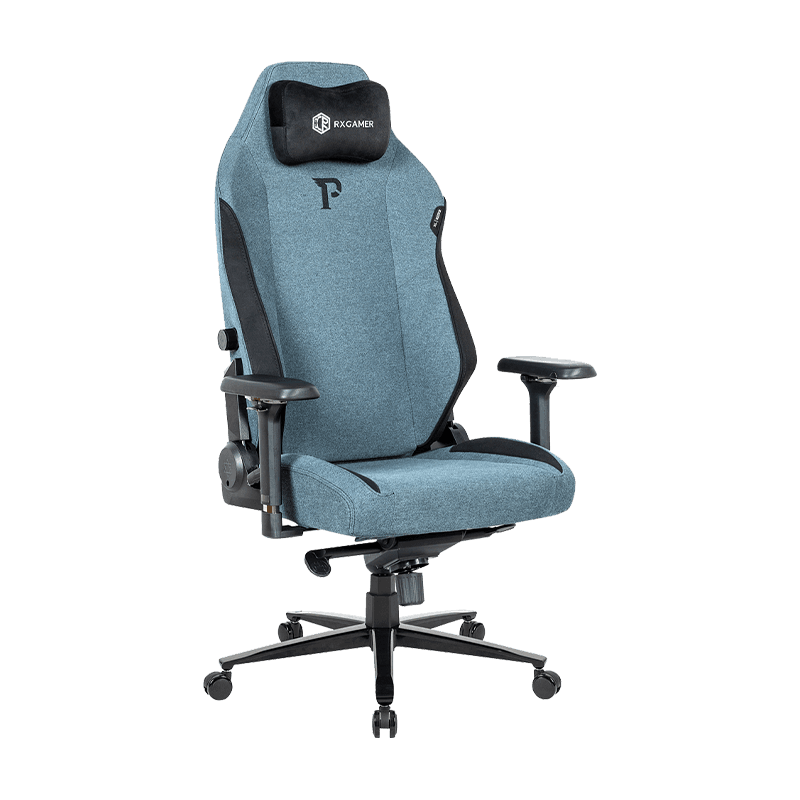
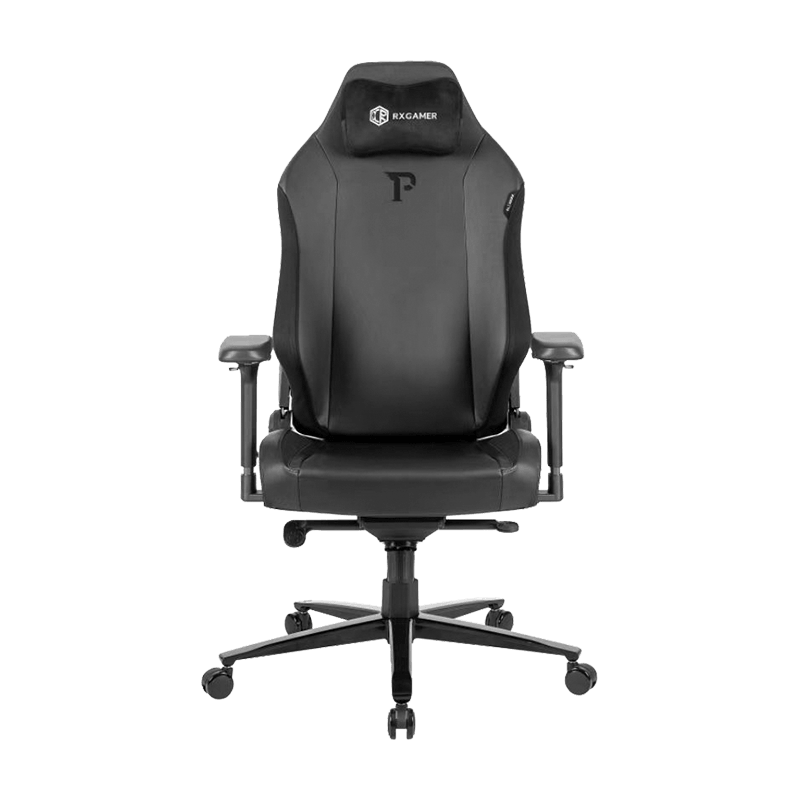
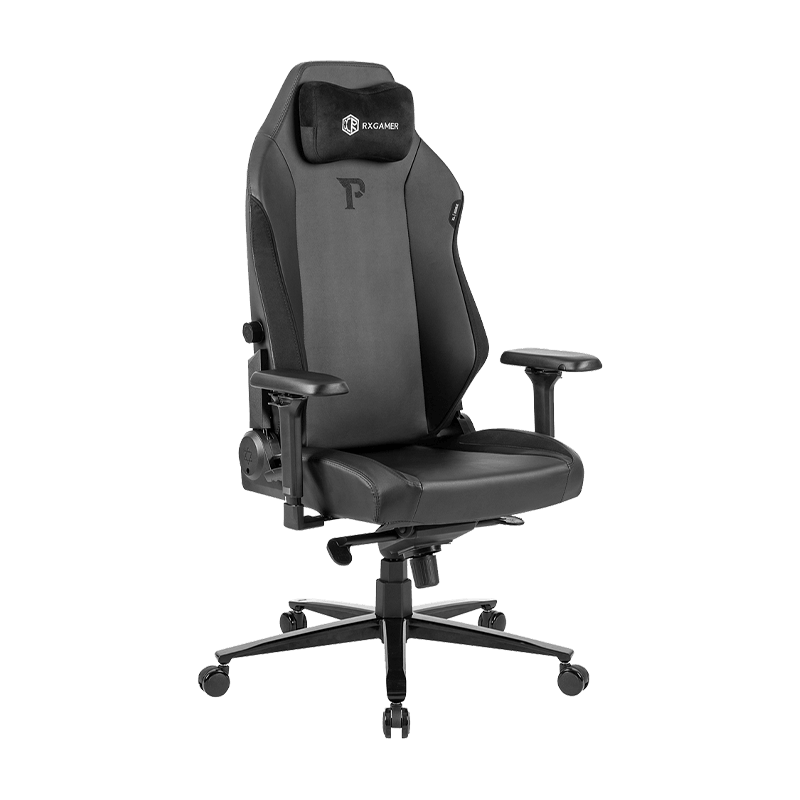
Polyurethane leather provides practical advantages for busy office settings. This synthetic material resists staining, simplifies cleaning procedures, and maintains appearance through frequent use. Unlike natural leather, PU leather doesn't require conditioning and resists cracking from temperature fluctuations common in climate-controlled offices. For users spending eight or more hours daily in their chairs, this durability becomes economically significant over multi-year periods.
The surface characteristics of quality synthetic leather affect long-hour comfort. Materials engineered for breathability prevent heat accumulation during extended sitting, reducing discomfort as body temperature naturally rises throughout the workday. Scratch-resistant formulations maintain aesthetic appeal even in active office environments where daily contact with desks, files, and other objects occurs.
Composite Mesh Materials
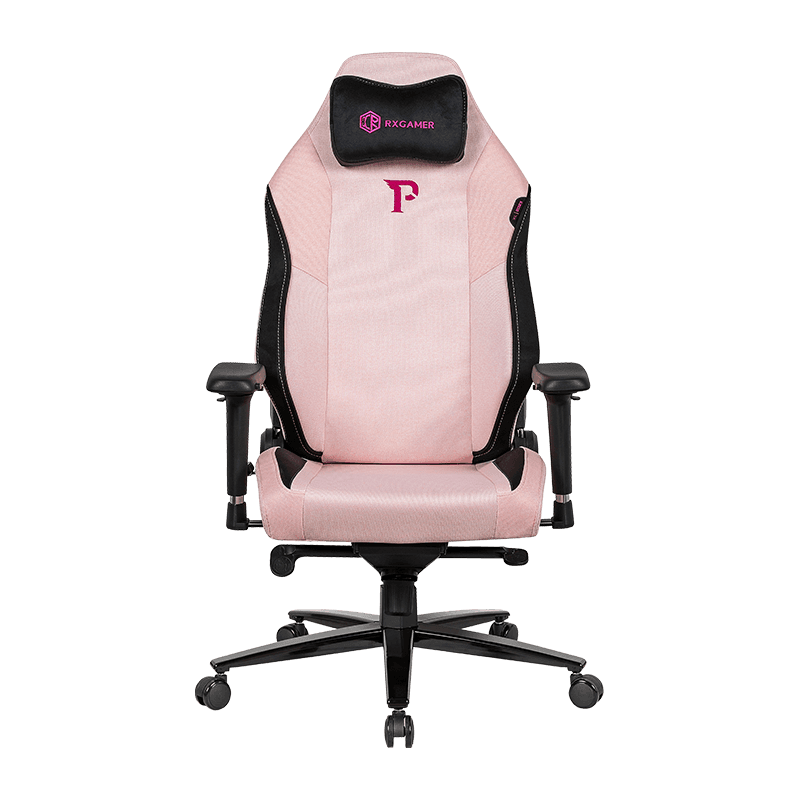
Dual-mesh compositions combine functionality with extended-use comfort. Mesh backing typically offers superior breathability compared to solid backing materials, allowing air circulation that prevents moisture accumulation during long sessions. The mesh construction also contributes to chair flexibility, as it flexes with body movement rather than creating rigid pressure points.
Padding specifications within mesh sections influence comfort distribution. Appropriate padding thickness—neither excessive nor minimal—provides cushioning for pressure points while maintaining the mesh's responsiveness to body contours. This balance becomes particularly important during the afternoon hours of a full workday when fatigue makes users more sensitive to discomfort.
Tilt Mechanisms and Dynamic Support Systems
The ability to adjust seating position during work promotes comfort and reduces strain from static posture. Tilt functionality represents a sophisticated feature that extends chair suitability for extended use.
Slight-Tilt Design Philosophy
Chairs incorporating slight-tilt mechanisms offer controlled recline without destabilizing the seating position. This design philosophy recognizes that maintaining identical posture throughout an eight-hour workday contributes to muscle fatigue and postural strain. Gradual tilt capability allows users to shift weight distribution periodically, engaging different muscle groups and reducing localized pressure.
Tension Control and Adjustment
Sophisticated tilt systems include tension adjustment mechanisms that accommodate different body weights and movement preferences. Users can calibrate resistance to match their physical characteristics, preventing excessive rocking that disturbs work focus while allowing beneficial postural variation. This customization ensures the mechanism remains functional and comfortable across different users and changing needs throughout the day.
Stability and Base Integrity
The foundation supporting all other components critically influences long-hour performance. Multi-section base designs distribute stress across multiple points, enhancing stability during extended use. Reinforced construction prevents settling or wobbling that might otherwise develop as materials experience continuous compression and stress from daily movement and weight distribution shifts.
Evaluating Specific Design Features for Extended Office Work
Gas Lift Classification and Performance
Office chairs utilize different gas lift classifications that determine weight capacity, durability, and long-term height maintenance. Classification systems reflect the lift mechanism's ability to support specific weight ranges through extended use. Chairs intended for long-hour daily use typically incorporate higher-classification systems that maintain height adjustment responsiveness throughout years of operation.
Lower-sink type lift mechanisms incorporate design features that prevent gradual descent over time. This distinction proves significant for extended office work, as maintaining consistent seat height throughout the day and across months of use directly impacts posture and comfort. A seat that gradually descends during an eight-hour workday creates progressive postural compromise.
Armrest Construction and Positioning
Electroplated armrests provide durable surfaces that withstand years of contact without surface degradation. Electroplating creates a protective layer that resists corrosion, scratching, and wear from repeated arm contact. For professionals spending hours resting their arms on armrests, this durability ensures consistent comfort as the surface maintains its properties rather than degrading over time.
Base Design and Wheel Quality
The base assembly supports the entire chair structure while enabling mobility. Multi-point bases distribute weight more effectively than simpler designs, preventing wobbling or tipping during extended use. Wheel construction influences both mobility and floor protection. Quality polyurethane wheels roll smoothly across various floor types while resisting the wear that creates squeaking and difficulty in movement as chairs age.
The distinction between basic wheels and engineered polyurethane designs becomes apparent during extended use periods. Standard wheels may develop flattening or deformation with continuous daily movement, while quality polyurethane maintains consistent rolling resistance and floor-friendly characteristics throughout years of operation.
Comprehensive Comfort Analysis for Eight-Plus Hour Workdays
Comfort during extended office work encompasses multiple factors that interact throughout the day. Initial comfort during the first hour differs significantly from comfort after five or eight hours as muscles fatigue and pressure points develop.
First-Hour Comfort Baseline
Initial seating typically feels comfortable across most designs as muscles remain fresh and fatigue hasn't accumulated. This baseline establishes the starting point from which comfort changes throughout the day. Chairs designed specifically for extended use maintain comfort levels more effectively than general-purpose designs as hours progress.
Mid-Day Comfort Maintenance
Between the three and five-hour marks, seating designs reveal their long-hour suitability. Inadequate lumbar support becomes apparent as lower back muscles fatigue. Insufficient padding creates pressure points that intensify as body weight continuously compresses seating surfaces. Lack of postural adjustment capability means users cannot relieve strain through position changes.
Afternoon Comfort Challenges
Extended work periods beyond five hours demand increasingly sophisticated seating features. Muscle fatigue accumulates, making postural support more critical. Heat buildup becomes noticeable without proper breathability. Any instability in the base or seat structure becomes more bothersome as fatigue reduces physical resilience. Chairs lacking quality construction reveal design limitations through accumulated discomfort.
Recovery and Cumulative Effects
Daily exposure to inadequate seating compounds over weeks and months. What feels tolerable for occasional use becomes problematic during consistent extended work. Chronic postural strain accumulates, potentially causing long-term physical effects. Chairs designed for long-hour use minimize these cumulative effects through consistent support.
Comparative Framework for Long-Hour Office Chair Evaluation
Assessing whether any office chair suits extended daily work requires evaluating specific criteria across multiple categories.
| Evaluation Criteria | Critical for Long Hours | Why It Matters |
|---|---|---|
| Lumbar Support System | Essential | Prevents lower back strain during sustained sitting |
| Material Breathability | Essential | Reduces heat accumulation and moisture during extended wear |
| Height Adjustability | Essential | Accommodates individual ergonomic requirements |
| Armrest Design | Important | Supports arm weight and reduces shoulder strain |
| Tilt Mechanism | Important | Enables postural variation to prevent muscle fatigue |
| Base Stability | Important | Prevents wobbling and maintains structure integrity |
| Durability Rating | Important | Ensures consistent performance throughout years of daily use |
| Professional Appearance | Secondary | Maintains workplace aesthetic standards |
Suitability Assessment for Extended Daily Office Work
Determining whether a specific office chair proves suitable for eight-plus hour workdays requires comprehensive evaluation against the criteria established above. A chair meeting all essential requirements demonstrates strong suitability for extended use, while deficiencies in critical categories compromise long-hour performance.
Key Indicators of Long-Hour Suitability
- Integrated lumbar support system that maintains consistent pressure throughout extended sitting periods
- Material composition featuring breathable components that prevent heat and moisture accumulation
- Adjustable height and tilt mechanisms that allow users to modify position and redistribute weight
- Armrest construction designed to support arm weight without restricting shoulder movement
- Heavy-duty gas lift mechanism maintaining height consistency throughout extended service life
- Reinforced base construction preventing wobbling or settling under continuous daily use
- Durable surface materials resisting degradation from years of contact and wear
- Quality wheel construction enabling smooth movement while protecting floor surfaces
Warning Signs of Limited Long-Hour Capability
- Absence of lumbar support or generic support that doesn't conform to spinal anatomy
- Solid backing materials that trap heat and create moisture accumulation during extended wear
- Non-adjustable or limited adjustment options that force fixed posture throughout the workday
- Armrests designed for appearance rather than functional arm support
- Gas lift mechanisms with insufficient classification for continuous daily use
- Simple base designs prone to wobbling under normal movement and weight distribution shifts
- Surface materials susceptible to degradation from daily contact and regular use
- Basic wheels that develop flat spots or become difficult to maneuver with extended use
Real-World Considerations for Office Chair Selection
Individual Variation and Personal Factors
No single office chair suits every user identically. Body type, height, weight distribution, posture habits, and individual sensitivity to discomfort create variation in how different people experience the same seating. A chair that proves ideal for one user might not perform equally well for another. Chairs designed for long-hour use accommodate broader ranges of individual variation through adjustable features and flexible design elements.
Workspace Environment Factors
The broader work environment influences how a chair's features contribute to long-hour comfort. Desk height, monitor positioning, keyboard placement, and ambient temperature all interact with seating characteristics. A chair with excellent breathability provides greater advantage in warmer environments, while proper height adjustability becomes more critical when desk height doesn't match standard dimensions. Comprehensive assessment considers these environmental interactions rather than evaluating the chair in isolation.
Work Activity Variation
Different office tasks place varying demands on seating. Administrative work with frequent keyboard and mouse use differs from research-focused work involving reading and note-taking. Some tasks encourage movement and position changes, while others require sustained attention in relatively static positions. Chairs suitable for extended use accommodate these variations through features like adjustable height, tilt capability, and armrests that adapt to different work postures.
Investment and Long-Term Value
Quality office chairs designed for long-hour use represent significant investments in workplace comfort and employee well-being. Evaluating long-term value requires considering not just purchase price but also durability, maintenance requirements, and long-term comfort benefits. A chair maintaining consistent comfort and structure throughout several years of daily use provides better value than cheaper alternatives requiring replacement or causing chronic discomfort.
Implementation Guide for Extended Office Work Setup
Moving from theory to practical implementation requires integrating chair selection with broader workspace ergonomic design.
Step One: Assess Individual Requirements
Begin by identifying personal factors that influence chair suitability. Measure your height, weight, and leg length to understand dimensional requirements. Evaluate your typical work posture and movement patterns throughout the day. Consider environmental factors in your workspace including desk height, ambient temperature, and typical work activities. This assessment provides the foundation for identifying which chair features prove most important for your specific situation.
Step Two: Evaluate Specific Design Features
With personal requirements clarified, assess how specific chairs address these needs. Examine lumbar support systems and verify they conform to your spinal anatomy. Evaluate material composition and breathability relative to your typical workplace temperature and humidity. Test height adjustment ranges to confirm they accommodate proper ergonomic positioning at your desk. Assess armrest positioning and confirm they support your arms appropriately during typical work activities.
Step Three: Test for Long-Hour Performance
Extended trial periods reveal how chairs perform during sustained use far better than brief demonstrations. Whenever possible, use chairs for actual workdays before committing to purchase. Pay attention to how comfort changes from morning to afternoon, how pressure points develop, and how postural support feels as fatigue accumulates. Notice whether adjustable features remain responsive and whether materials show any adverse reactions to extended contact.
Step Four: Establish Optimal Configuration
Once a suitable chair is selected, invest time in configuring it for your specific needs. Adjust height until feet rest flat on the floor or footrest with knees at ninety degrees. Calibrate tilt tension to provide stability while allowing beneficial postural adjustment. Position armrests to support arms without forcing shoulders upward or creating tension. Verify all adjustments remain stable and responsive throughout extended work sessions.
Step Five: Integrate with Broader Ergonomic Design
A quality office chair functions within a larger ergonomic ecosystem. Ensure desk height coordinates with chair height to maintain proper arm and wrist positioning. Position monitor at appropriate distance and height to prevent neck strain. Organize keyboard and mouse placement to support neutral wrist positioning. Consider monitor stands, keyboard trays, or other accessories that optimize your overall workspace ergonomics rather than relying solely on the chair to compensate for workspace deficiencies.
Maintenance and Longevity Considerations
Regular Cleaning and Surface Care
Office chairs endure daily contact from clothing, skin oils, dust, and occasional spills. Regular cleaning maintains both aesthetics and material longevity. Synthetic leather materials benefit from periodic wiping with appropriate cleaning solutions to remove accumulated dust and soil. Mesh components can be vacuumed gently to remove dust accumulation. Avoiding harsh chemicals or abrasive materials preserves surface integrity throughout years of use.
Mechanical Component Maintenance
Gas lift mechanisms, tilt systems, and wheels represent moving components requiring occasional attention. Checking that height adjustment remains responsive helps identify gas lift issues before they compromise functionality. Ensuring wheels roll smoothly and don't accumulate debris contributes to consistent performance. Tilt mechanism tension should remain stable, neither requiring excessive effort nor providing inadequate resistance.
Structural Integrity Monitoring
Extended use occasionally reveals structural issues that can be addressed through preventive maintenance. Base frames should remain wobble-free, and any instability should prompt inspection for structural damage or loose fasteners. Armrest attachment points should remain secure without creaking or movement. Monitoring these elements allows early intervention before minor issues develop into significant problems.
Expected Lifespan and Replacement Timing
Office chairs designed for long-hour use typically maintain functional performance for five to ten years of daily use, depending on construction quality and maintenance practices. Material degradation, mechanical wear, and structural fatigue eventually necessitate replacement. Rather than waiting for complete failure, recognizing when comfort and support characteristics decline helps identify appropriate timing for chair replacement before chronic discomfort develops.
Frequently Asked Questions About Extended Office Work Seating
Q1: What is the minimum acceptable lumbar support for an eight-hour workday?
Effective lumbar support for extended work should provide consistent pressure supporting the natural curve of the lower spine, typically concentrated between the fourth and fifth lumbar vertebrae. This support should activate immediately upon seating and maintain consistent pressure throughout the workday. The support should conform to individual spinal anatomy rather than providing generic support, and should remain responsive as posture shifts during different work activities. Chairs lacking dedicated lumbar support systems or offering only generic support are generally unsuitable for extended daily use.
Q2: How does material breathability affect comfort during long work hours?
Breathability directly influences thermal comfort during extended sitting. Materials allowing air circulation prevent heat and moisture accumulation that occurs as body temperature rises during sustained activity. Breathable materials maintain comfort levels longer into the workday by preventing the accumulation of perspiration and associated discomfort. During typical eight-hour workdays, the difference between breathable and non-breathable materials becomes increasingly noticeable, particularly during afternoon hours when thermal stress accumulates. This distinction proves particularly significant in warmer office environments or for users sensitive to heat accumulation.
Q3: Why is height adjustability critical for long-hour office chair selection?
Individual variation in height, leg length, and desk dimensions requires customizable seating solutions. Without proper height adjustment, users cannot position their feet flat on the floor or footrest while maintaining ninety-degree angles at both hips and knees. This suboptimal positioning creates strain on the lower back, compresses blood vessels in the thighs, and forces compensatory postures that accumulate discomfort throughout the workday. Chairs with responsive height adjustment mechanisms allow users to optimize positioning for their specific dimensions, fundamentally improving long-hour comfort and support.
Q4: How does a tilt mechanism improve suitability for extended office work?
Tilt capability enables postural variation throughout the day, allowing users to periodically redistribute weight and engage different muscle groups. Sustained identical posture causes particular muscles to fatigue while others remain inactive. The ability to recline gradually shifts the distribution of pressure and muscular engagement, reducing localized fatigue and promoting more consistent comfort. Slight-tilt designs provide beneficial postural adjustment without destabilizing the working position or creating excessive rocking that distracts from work focus. This dynamic capability extends comfort maintenance significantly beyond what static postures alone can achieve.
Q5: What role do armrests play in long-hour office chair comfort?
Armrests reduce the burden on shoulder and neck muscles by supporting the weight of the arms. During work activities involving typing or mousing, unsupported arms require continuous muscular effort that contributes to shoulder fatigue and neck tension. Properly positioned armrests eliminate this burden, allowing shoulders to remain relaxed and neutral. The shoulder tension relief directly reduces fatigue accumulation during extended work, contributing meaningfully to afternoon comfort. Armrests positioned too high or too low create postural strain rather than relief, making proper adjustment critical for effective long-hour performance.
Q6: How does gas lift classification affect long-term chair performance?
Gas lift classification determines the mechanism's weight capacity, durability, and resistance to gradual descent over time. Chairs designed for long-hour professional use incorporate higher-classification gas lifts that maintain height adjustment responsiveness throughout years of daily operation. Lower-classification mechanisms may gradually lose height over months, creating progressive postural compromise as seat height drops. High-classification systems prevent this settling, maintaining consistent positioning throughout the chair's service life. This distinction proves particularly significant for users planning to keep their chairs for multiple years of daily use.
Q7: What constitutes durable materials for extended office chair use?
Durability encompasses resistance to visible wear, material degradation, and performance decline. Synthetic leather designed for scratch resistance maintains appearance through years of contact with desks and clothing. Quality polyurethane wheels resist flattening and maintain smooth rolling motion rather than developing the resistance that occurs with lesser materials. Electroplated metal components resist corrosion and wear from repeated contact. Mesh materials maintain structural integrity and elasticity rather than degrading or becoming rigid over time. Chairs utilizing these durable materials maintain consistent comfort and appearance throughout extended service periods, providing superior long-term value compared to less durable alternatives.
Q8: How should individual differences in body type and preferences influence chair selection for extended work?
No universal office chair perfectly suits every individual. Body weight, height, muscle distribution, and postural preferences create meaningful variation in how different people experience seating. Chairs designed for long-hour use accommodate this variation through adjustable features including height, tilt tension, and sometimes lumbar support adjustment. Whenever possible, extended trial periods allow personal experience with how specific chairs perform during actual workdays for individual users. What feels ideal for one person might not provide equivalent performance for another, making personal evaluation particularly important when selecting chairs for extended daily use.
Q9: What environmental factors beyond the chair itself influence long-hour office comfort?
Workspace environment including desk height, monitor positioning, keyboard and mouse placement, and ambient temperature all interact with seating characteristics to influence overall comfort. Improper desk height can negate excellent chair design by forcing awkward arm positions. Poor monitor positioning creates neck strain regardless of chair quality. Inadequate ambient temperature control can overwhelm even excellent breathable materials. Comprehensive ergonomic setup integrates chair selection with broader workspace design, recognizing that no single component compensates completely for deficiencies in others.
Q10: How can users determine whether an office chair remains suitable after several years of daily use?
Office chairs decline gradually, making it difficult to recognize when replacement becomes appropriate. Warning signs include reduced responsiveness in height adjustment mechanisms, decreased cushioning comfort, visible material degradation, structural wobbling, or wheels becoming difficult to maneuver. Comparing current comfort to initial experience often reveals deterioration that daily familiarity might otherwise mask. If afternoon discomfort increases despite proper workspace setup, if postural support feels less responsive, or if structural issues develop, these signs suggest the chair's long-hour suitability has declined. Rather than waiting for complete failure, recognizing these indicators helps identify appropriate timing for replacement.