
 English
 中文简体
中文简体 русский
 Español
 عربى
عربى
The modern workplace demands furniture that supports long hours of work while maintaining comfort and promoting health. An ergonomic mesh office chair represents a significant evolution in workplace seating, combining advanced design principles with practical features that address common problems associated with traditional office furniture. Understanding what these chairs offer and how they function helps professionals make informed decisions about their workspace setup.
Understanding Ergonomic Mesh Office Chairs
An ergonomic mesh office chair is a specially designed seating solution that prioritizes user comfort and health through scientifically-backed structural features. Unlike conventional office chairs, these seats use breathable mesh materials and adjustable support mechanisms to adapt to individual body shapes and work preferences.
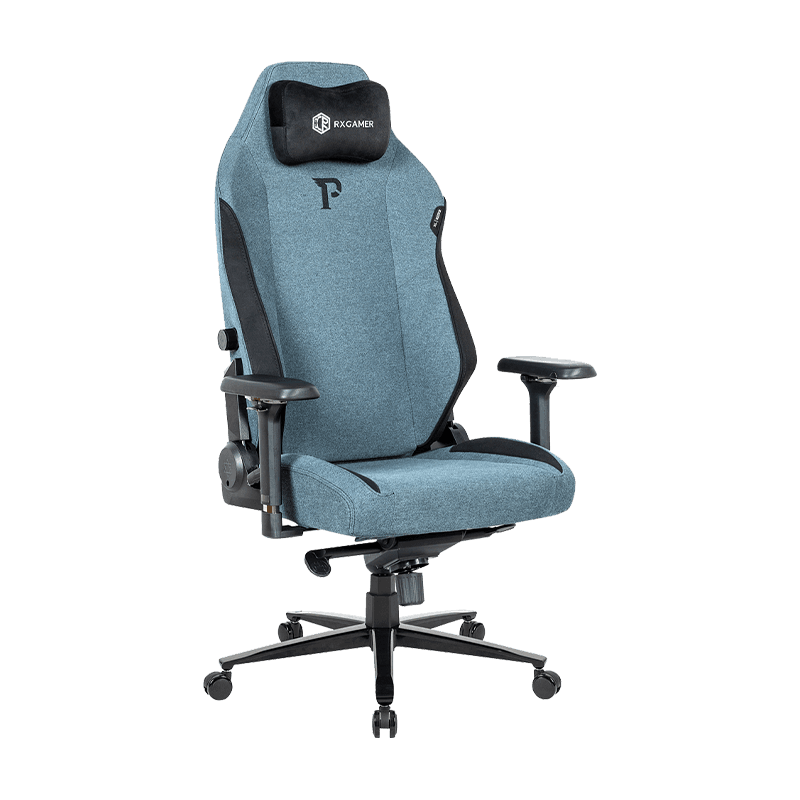
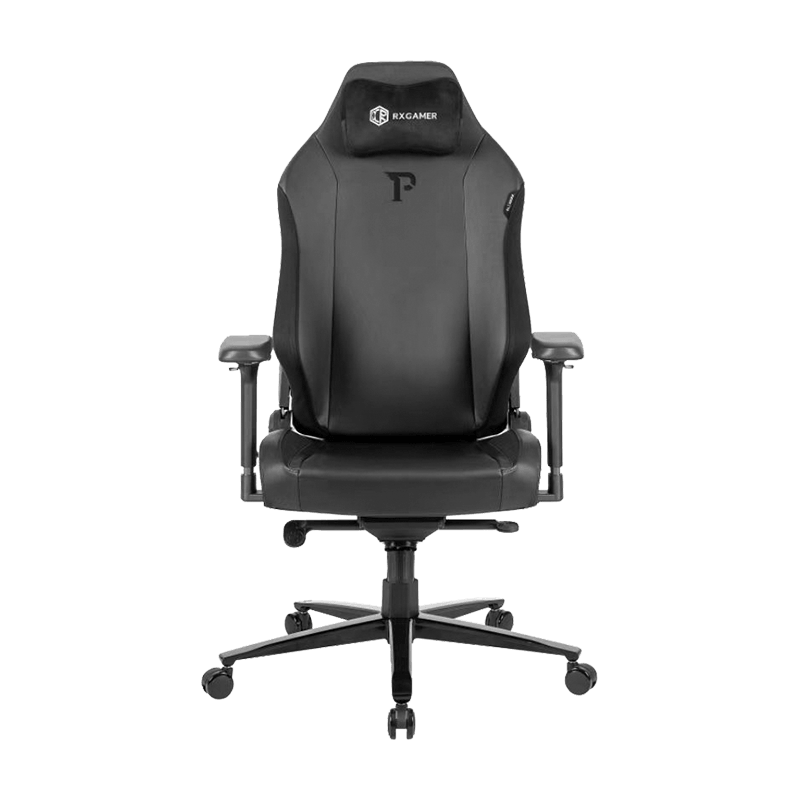
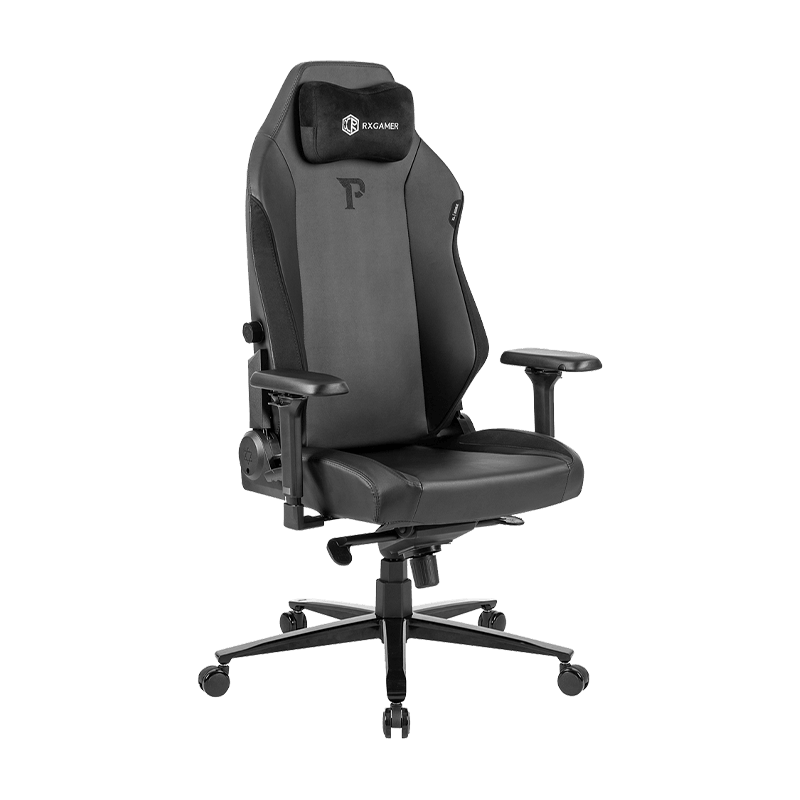
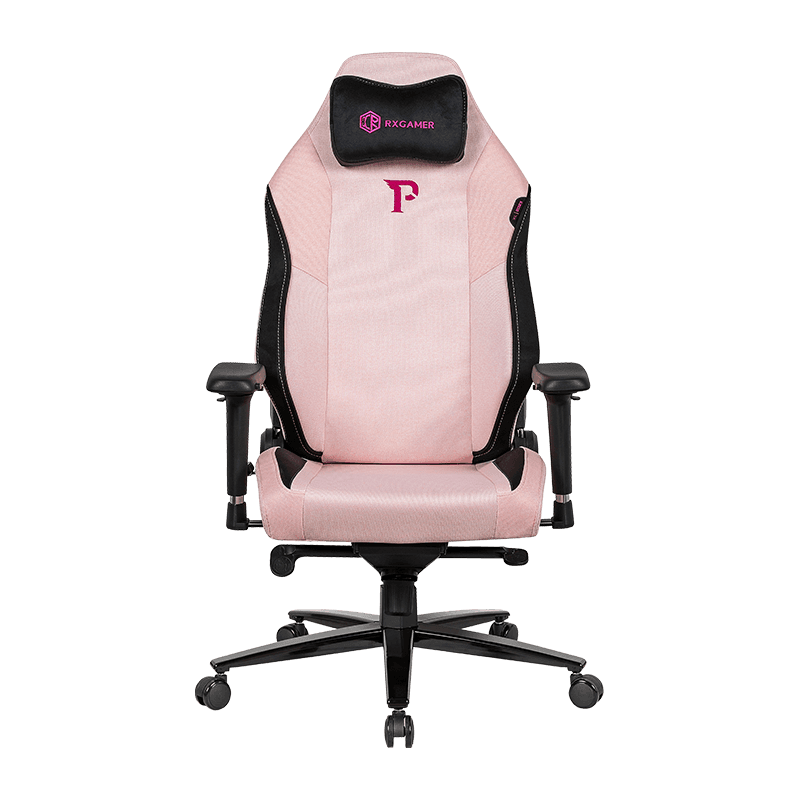
The mesh construction serves multiple purposes: it allows air circulation to reduce heat buildup during extended sitting sessions, maintains structural integrity through reinforced materials, and provides visual lightness to modern office environments. The RX-9102 exemplifies contemporary design with its dual-mesh fabric construction, offering both breathability and durability for demanding work environments.
These chairs distinguish themselves through multi-directional adjustability, allowing users to modify height, tilt, armrest position, and recline angle according to their unique comfort requirements. This customization capability makes them suitable for various body types and working styles, from intensive computer-based tasks to client-facing roles requiring frequent movement.
Key Health and Wellness Benefits
Posture Support and Spine Alignment
Maintaining proper posture during work hours directly impacts long-term spinal health. Ergonomic mesh office chairs feature contoured backrests designed to support the natural curvature of the spine, reducing strain on intervertebral discs. Research in occupational health indicates that proper lumbar support significantly decreases back pain incidents among office workers.
The ability to adjust reclining angles means users can find their optimal posture position rather than conforming their body to a static chair. This flexibility prevents the compensatory movements that often lead to muscle fatigue and chronic pain conditions.
Improved Air Circulation and Temperature Regulation
Extended sitting sessions in traditional office chairs often result in heat accumulation, creating discomfort and potentially affecting focus. Breathable mesh construction allows continuous air flow across the seated surface, maintaining a comfortable microclimate even during prolonged use.
This thermal management benefit extends beyond comfort—research suggests that temperature regulation contributes to sustained concentration and reduced fatigue symptoms. The RXGAMER product line emphasizes breathable materials throughout their construction, acknowledging this critical aspect of workplace wellness.
Circulation and Blood Flow
Sitting with inadequate support can compress blood vessels and restrict circulation, leading to numbness, tingling, and fatigue. Ergonomic mesh chairs distribute body weight evenly across the sitting surface, reducing pressure points and maintaining healthy blood flow. This feature proves particularly important for individuals spending six or more hours daily in office seating.
Essential Features of Quality Ergonomic Mesh Office Chairs
Adjustable Lumbar Support System
The lumbar region requires targeted support to maintain proper spinal curvature. Premium ergonomic chairs include adjustable lumbar support mechanisms that users can modify based on their specific needs. This allows individuals with different body compositions and spinal curvatures to achieve personalized comfort.
Multi-Angle Reclining Mechanism
Traditional fixed-position chairs force users into a single posture throughout the day. Modern ergonomic designs offer reclining capabilities that enable position changes from upright to reclined angles, reducing static strain on muscles and discs. This feature proves essential for tasks varying in intensity and required concentration level.
Adjustable Armrests
Arm support prevents shoulder strain and distributes upper body weight appropriately. Quality ergonomic chairs feature armrests that adjust in height, width, and angle, accommodating different arm lengths and working positions. The F04 armrest hinge design represents functional engineering that supports various user postures without limiting mobility.
Seat Height and Depth Customization
Individual leg lengths and torso proportions vary significantly. Adjustable seat height ensures feet rest flat on the floor while maintaining a ninety-degree angle at the knees—a critical ergonomic principle. Adjustable seat depth accommodates different body sizes, preventing pressure on the back of the thighs.
Durable Base and Wheel System
The foundation of any office chair determines stability and longevity. Reinforced bases rated for significant weight capacity ensure the chair performs reliably under extended use. Quality wheel systems allow smooth movement while providing appropriate resistance to prevent unintended rolling during stationary work. The 350-pound capacity base with reinforced construction represents professional-grade engineering suitable for intensive workplace environments.
Premium Material Construction
Breathable mesh fabric requires specific quality standards to maintain durability across years of daily use. Black standard dual-mesh fabric construction balances breathability with structural integrity, resisting wear while maintaining consistent performance. Professional-grade powder-coated components prevent rust and maintain aesthetic appeal in demanding environments.
Technical Specifications and Construction Quality
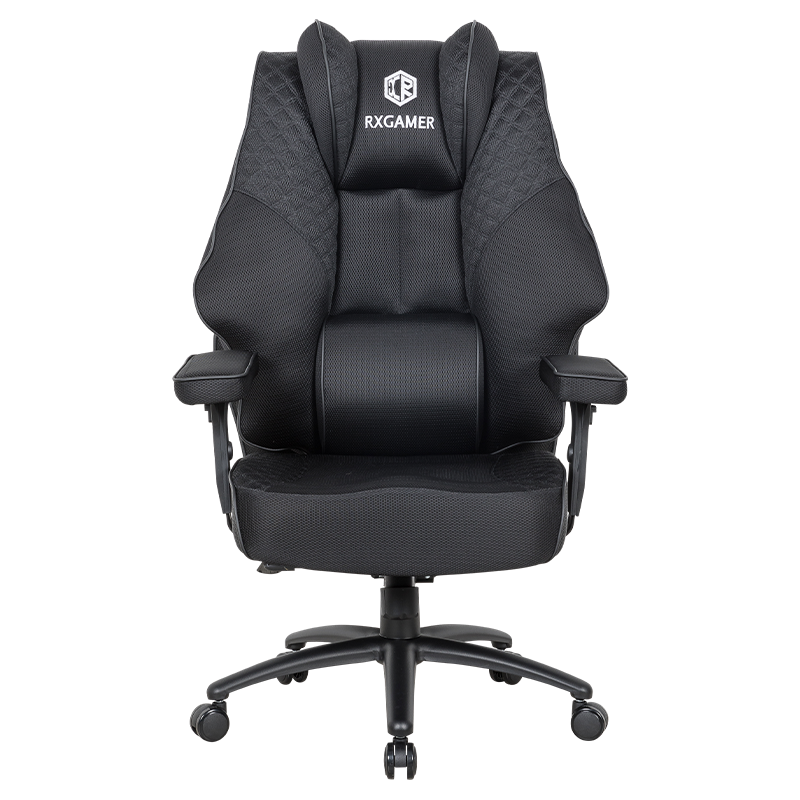
High-quality ergonomic mesh office chairs integrate several interconnected technical components that work together to deliver consistent performance:
| Component | Specification | Function |
|---|---|---|
| Mesh Fabric | Black Standard Dual-Mesh | Breathability and durability |
| Armrest System | F04 Armrest Hinge | Adjustable arm support |
| Gas Lift Cylinder | 60# Class-4 Black Powder-Coated | Smooth height adjustment |
| Base Construction | 350# 1.8 x 8 Reinforced Base | Stability and weight capacity |
| Wheels | 60# Cupless PU Wheels | Mobility and floor protection |
Gas Lift Cylinder Technology
The gas lift cylinder represents critical height adjustment technology. Class-4 rated cylinders indicate professional-grade performance suitable for intensive daily use. The lower three-section design provides multiple locking positions, allowing users to find their precise height requirement.
Base and Wheel Engineering
A reinforced bread-style base with a small metal plate distributes weight effectively across floor surfaces. The cupless PU wheel design prevents damage to hardwood and carpet flooring while providing smooth, controlled movement. This construction approach balances mobility with stability, preventing unintended rolling during focused work.
Impact on Workplace Productivity and Comfort
Reduced Physical Discomfort
Inadequate seating contributes significantly to midday fatigue and reduced focus. Ergonomic mesh office chairs minimize physical discomfort through targeted support, allowing professionals to maintain concentration throughout extended work sessions. Studies in occupational health demonstrate that improved seating correlates with higher task completion rates and fewer breaks due to discomfort.
Enhanced Focus and Mental Performance
Physical comfort directly influences cognitive function. When the body operates in a supported, optimized position, the brain expends less energy managing pain signals and postural adjustments. This neurological efficiency translates to improved focus, faster problem-solving, and sustained attention during complex tasks.
Long-Term Health Investment
Chronic musculoskeletal disorders represent significant healthcare costs for both individuals and organizations. Investing in proper ergonomic seating serves as preventive health infrastructure, reducing the incidence of back pain, neck strain, and repetitive stress injuries that accumulate across years of office work.
Professional Environment Enhancement
Modern ergonomic mesh chairs contribute to contemporary workspace aesthetics. The clean lines and breathable construction create visual sophistication while signaling organizational commitment to employee wellbeing—a factor increasingly important in talent recruitment and retention.
How to Select the Right Ergonomic Mesh Office Chair
Assess Individual Body Metrics
Proper chair selection begins with understanding personal dimensions: height, weight, torso length, and arm length. These metrics determine optimal seat height, depth, and backrest positioning. Users should verify that any chair accommodates their specific body proportions before making purchasing decisions.
Evaluate Adjustability Range
The quality of ergonomic support depends on adjustment flexibility. Examine whether lumbar support, armrests, seat height, and recline angles offer sufficient range for your work style. Limited adjustability compromises the ergonomic benefits these chairs are designed to deliver.
Test Material Quality and Durability
Breathable mesh requires consistent quality to maintain performance across years of use. Examine the mesh weave density, fabric weight, and construction integrity. Premium dual-mesh construction offers superior durability compared to single-layer alternatives, particularly for intensive daily use environments.
Consider Weight Capacity and Base Design
Professional chairs accommodate various body sizes through reinforced base construction. Verify that weight capacity rating comfortably exceeds your body weight with additional margin. Reinforced bases with multi-directional support provide superior stability compared to standard commercial alternatives.
Examine Wheel and Movement Quality
Wheel quality directly impacts daily usability. Test wheel responsiveness and floor compatibility—PU wheels offer superior floor protection compared to alternatives. Verify that wheel resistance matches your workspace layout to prevent unwanted rolling during focused work.
Review Warranty and Support
Comprehensive warranties indicate manufacturer confidence in product longevity. Extended coverage protects against unexpected component failures, while responsive customer support ensures issues receive timely resolution. Professional-grade chairs typically include multi-year warranties covering structural components and mechanisms.
Ergonomic Mesh Chairs Versus Traditional Office Seating
| Characteristic | Ergonomic Mesh Chair | Traditional Office Chair |
|---|---|---|
| Air Circulation | Excellent mesh breathability | Limited air flow |
| Lumbar Support | Adjustable and customizable | Fixed or minimal adjustment |
| Recline Functionality | Multi-angle reclining | Fixed or basic recline |
| Postural Support | Evidence-based ergonomic design | Minimal or generic support |
| Durability | Professional-grade construction | Standard commercial quality |
| Long-Term Comfort | Sustained support across full day | Discomfort increases over time |
Ergonomic mesh office chairs represent a measurable upgrade from traditional seating through multiple quantifiable advantages. The comprehensive adjustment capabilities, breathable construction, and evidence-based design principles create a substantially different experience compared to standard office furniture.
Implementation Strategy for Workplace Seating Upgrades
Phased Rollout Approach
Organizations implementing ergonomic seating improvements often benefit from phased approaches rather than complete simultaneous replacement. Beginning with high-risk areas—such as positions requiring extended computer use or positions with documented ergonomic complaints—allows organizations to assess implementation impact, validate purchasing decisions, and manage budget constraints effectively.
Employee Involvement and Feedback
Successful ergonomic transitions include employee participation in chair selection and customization. User feedback regarding comfort, adjustability, and functionality validates design choices and ensures selections match actual workplace requirements. This participatory approach also increases adoption and reduces resistance to change.
Proper Configuration and Training
Ergonomic benefits depend on correct chair configuration and user awareness. Organizations should provide training on proper adjustment procedures, optimal posture positioning, and maintenance requirements. Configuration guides specific to individual employee body dimensions ensure each user achieves maximum benefit from their seating investment.
Ongoing Assessment and Adjustment
Ergonomic improvements require periodic assessment to verify effectiveness. Regular check-ins regarding comfort levels, pain reduction, and satisfaction metrics inform whether additional adjustments or interventions prove necessary. This continuous improvement approach maximizes return on investment and addresses emerging needs.
Maintenance and Longevity
Regular Cleaning Procedures
Breathable mesh fabric requires periodic cleaning to maintain performance. Gentle vacuuming removes dust and debris without damaging mesh weave, while occasional damp cloth cleaning addresses surface accumulation. Proper cleaning maintains both appearance and breathability across years of use.
Mechanism Inspection
Mechanical components—including gas lift cylinders, recline mechanisms, and armrest hinges—benefit from periodic inspection. Identifying wear patterns early allows preventive maintenance before failures occur. Most professional-grade components remain serviceable and replaceable, extending chair lifespan significantly.
Hardware Verification
Bolts, fasteners, and connection points should receive occasional attention to ensure they remain secure. Regular tightening prevents gradual loosening that accumulates from repeated adjustments and body movement. This simple maintenance step prevents squeaks and maintains structural integrity.
Wheel and Base Care
Checking wheels for hair, dust, or debris ensures smooth movement and prevents floor damage. Cleaning wheel tracks and verifying base stability prevents rolling irregularities that compromise usability. These simple procedures significantly extend chair functional lifespan.
Scientific Support for Ergonomic Office Chair Benefits
Occupational health research consistently demonstrates the relationship between proper workplace ergonomics and employee wellbeing. Studies examining seated posture indicate that adjustable lumbar support reduces lower back pain by approximately thirty to forty percent compared to fixed-position seating. Research on thermal comfort shows that breathable seating maintains focus and performance during extended work sessions better than non-breathable alternatives.
Biomechanical analyses reveal that multi-angle reclining capability reduces intervertebral disc pressure during sustained sitting. This mechanical load reduction translates to decreased fatigue and lower incidence of chronic pain conditions. Evidence from workplace interventions demonstrates that ergonomic seating investments correlate with reduced absenteeism and improved productivity metrics.
Long-term health economics research indicates that prevention-focused ergonomic investments yield significant returns through reduced medical costs and improved employee retention. Organizations implementing comprehensive ergonomic programs—including proper seating—report substantial decreases in workers compensation claims and disability incidents.
Evolution and Future Developments
Smart Ergonomic Integration
Emerging technologies enable integration of sensor systems within office chairs, providing real-time feedback on posture quality and sitting duration. These systems can alert users to posture degradation and recommend position adjustments, creating dynamic ergonomic support that adapts throughout the workday.
Material Science Advances
Next-generation mesh materials promise improved breathability without sacrificing durability. Advanced fabric engineering explores self-cleaning properties, temperature-regulating fibers, and enhanced support characteristics. These innovations will further improve the comfort and maintenance aspects of ergonomic seating.
Customization and Personalization
Future ergonomic solutions may include individualized adjustment profiles based on biometric data and body measurements. Machine learning systems could optimize chair configuration in real-time based on movement patterns and comfort feedback, creating personalized seating experiences aligned with individual requirements.
Sustainability Considerations
Environmental consciousness drives development of ergonomic chairs using recycled and sustainable materials while maintaining performance standards. Modular design approaches enable component replacement and refurbishment, extending product lifecycles and reducing environmental impact compared to complete replacement cycles.
Frequently Asked Questions
Q1: What specific posture improvements can I expect from using an ergonomic mesh office chair?
Ergonomic mesh chairs support the natural spine curvature through adjustable lumbar support and contoured backrests. Users typically experience improved shoulder alignment, reduced forward head posture, and decreased lower back strain. These postural improvements reduce muscle fatigue and associated pain conditions that accumulate during extended sitting sessions.
Q2: How long does the breathable mesh typically remain effective before degradation occurs?
Quality dual-mesh construction maintains breathability for five to seven years with normal use. Regular cleaning extends this lifespan by preventing dust accumulation that reduces air flow. Professional-grade mesh fabrics resist pilling and deterioration better than standard alternatives, ensuring sustained performance across extended ownership periods.
Q3: Can ergonomic mesh office chairs accommodate users with varying body sizes?
Yes, adjustable features allow ergonomic chairs to accommodate a wide range of body dimensions. Height, seat depth, armrest positioning, and lumbar support adjustability enable customization across diverse user body types. Weight capacity ratings indicate the load limits for specific models, ensuring safe and effective use across intended populations.
Q4: How do gas lift cylinders maintain safety and functionality?
Class-4 rated gas cylinders meet international safety standards and undergo rigorous testing. These cylinders incorporate locking mechanisms that secure height adjustments, preventing unexpected descent. Professional-grade cylinders maintain consistent pressure across years of use, providing reliable height adjustment throughout the chair's lifespan.
Q5: What ongoing maintenance ensures long-term performance and comfort?
Regular maintenance includes periodic mesh fabric cleaning, mechanical component inspection, hardware tightening, and wheel care. These simple procedures prevent gradual degradation and identify potential issues before they impact usability. Following manufacturer maintenance recommendations significantly extends chair lifespan and maintains consistent performance levels.
Q6: How does multi-angle reclining benefit different work tasks and positions?
Different work activities benefit from varied posture positions. Computer-focused tasks often require more upright positioning, while collaborative work or thinking tasks may benefit from reclined angles. Multi-angle reclining capability allows users to adjust throughout the day, reducing static strain and maintaining engagement during diverse work requirements.
Q7: Are ergonomic mesh chairs suitable for all office environments?
Ergonomic mesh chairs function effectively in most office environments. The modern aesthetic suits contemporary workspace design, while functional flexibility accommodates various task requirements. Climate considerations—such as extremely cold environments—may influence comfort, though most standard office conditions support optimal performance.
Q8: How do armrest design and adjustability impact overall seating ergonomics?
Properly positioned armrests reduce shoulder and neck strain by supporting upper arm weight and distributing loads appropriately. Adjustable armrests accommodate different body sizes and work preferences, enabling positioning that supports posture without restricting movement. Quality hinge mechanisms, such as the F04 design, provide stable positioning across diverse adjustment ranges.