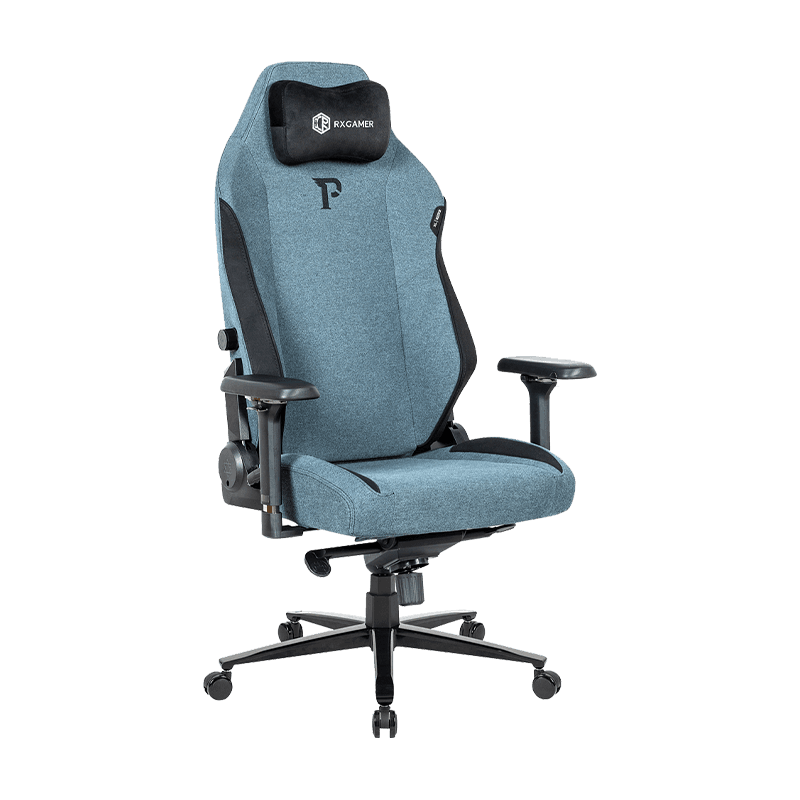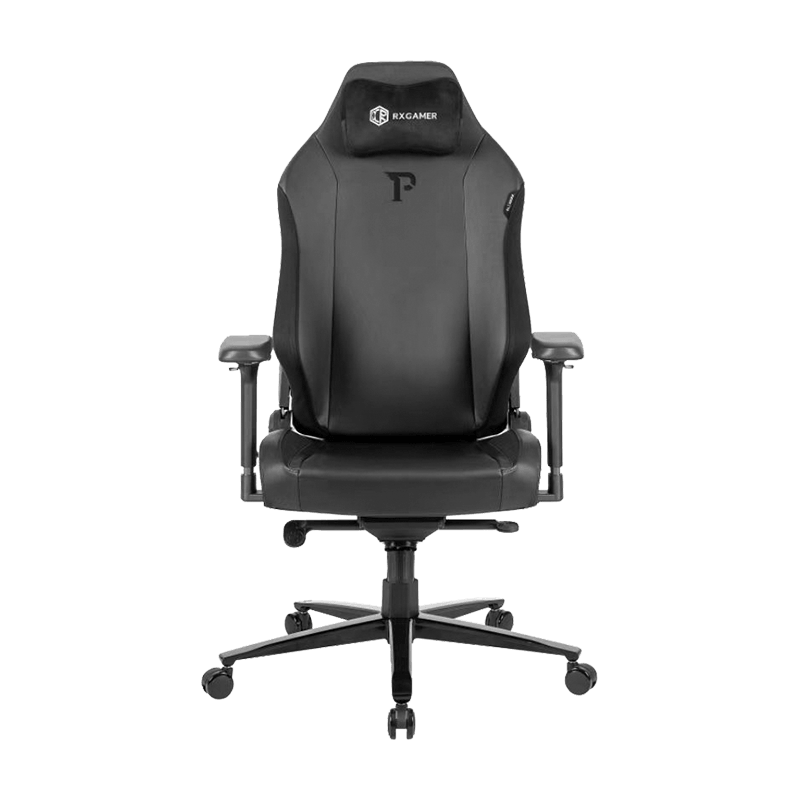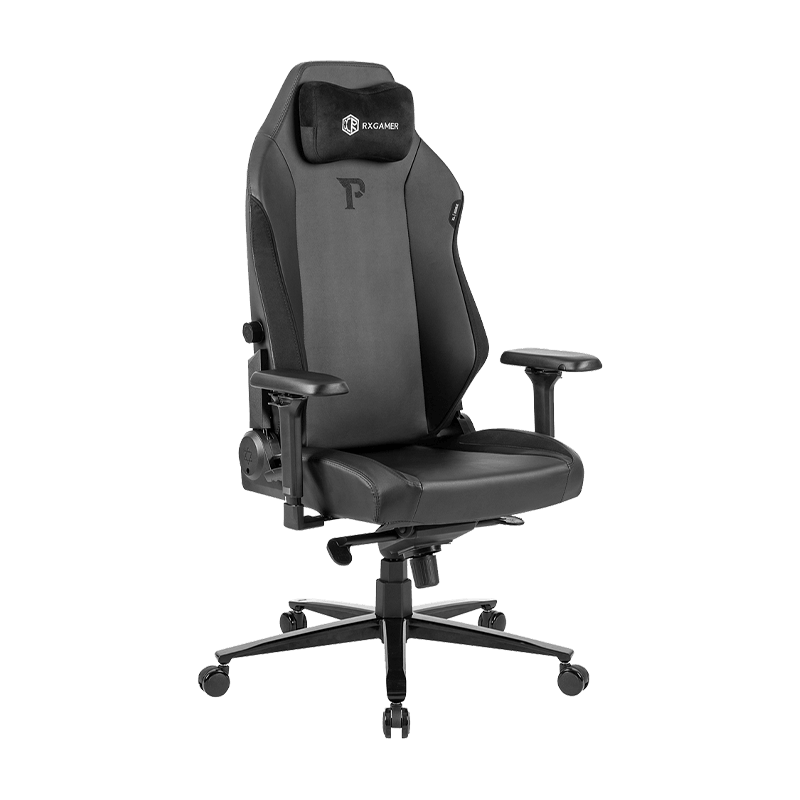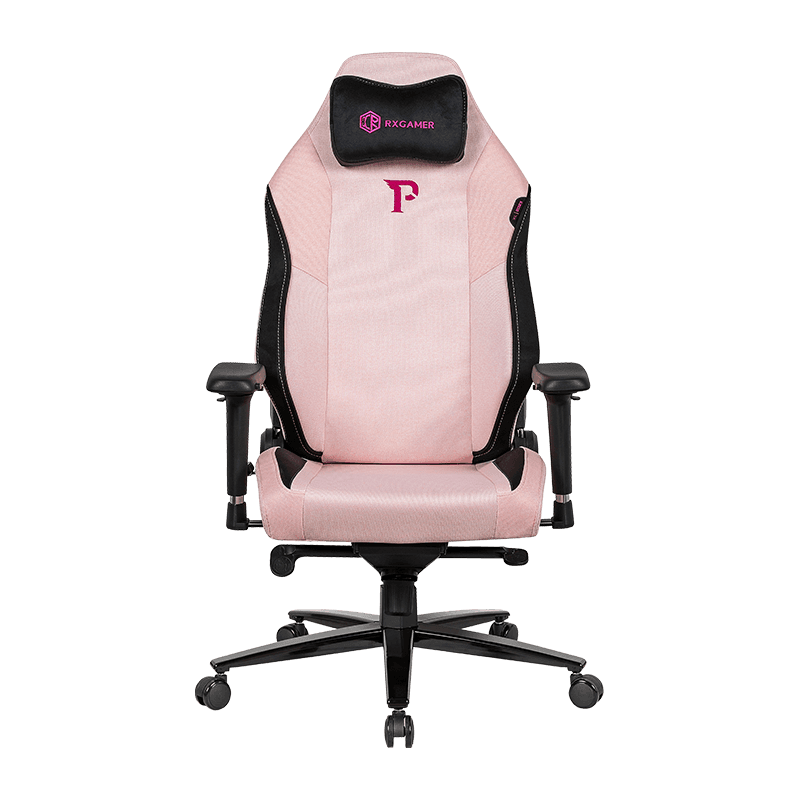

 English
 中文简体
中文简体 русский
 Español
 عربى
عربى
Introduction
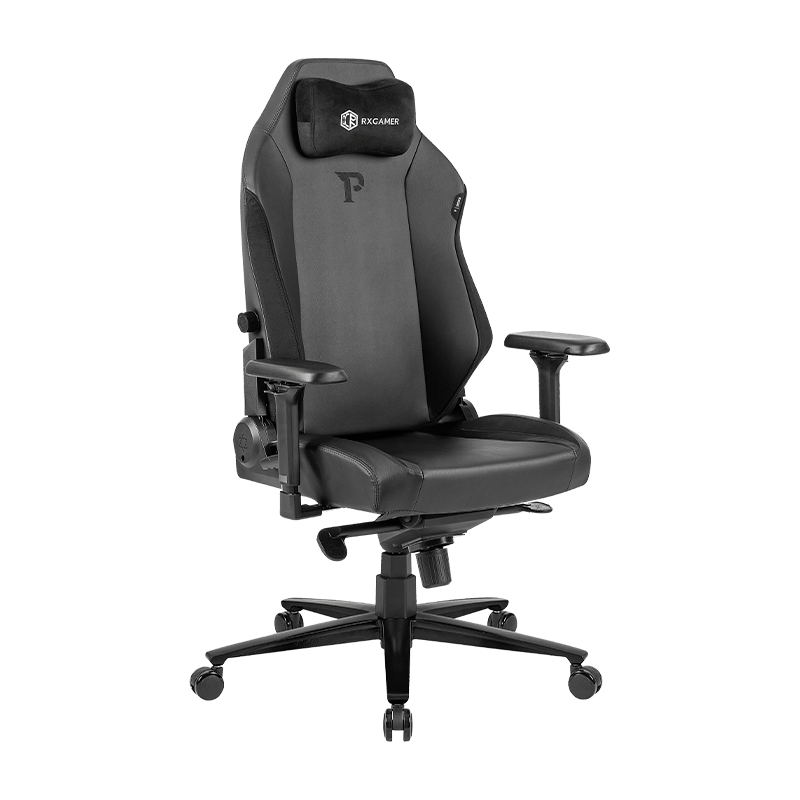
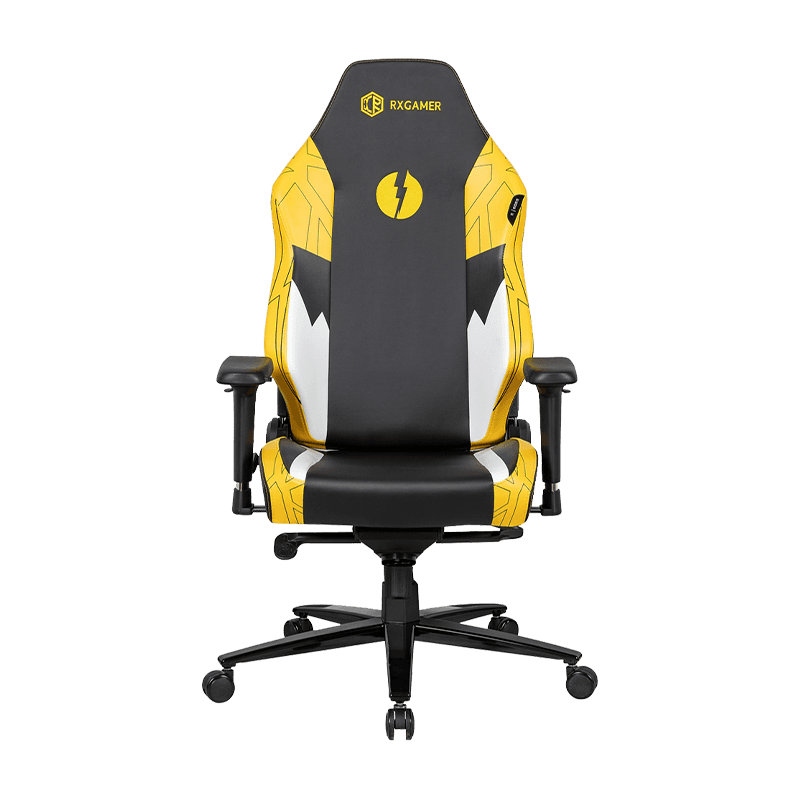
In recent years, the gaming industry has seen an explosive growth, not only in terms of game development but also in the peripheral market. Among these peripherals, the gaming chair has emerged as a critical component of a high-quality gaming setup. A gaming chair is not merely a stylish accessory; it directly impacts the player’s comfort, posture, and even performance during long gaming sessions. With the increasing awareness of health and ergonomics, gamers are now prioritizing chairs that provide excellent support and adjustability.
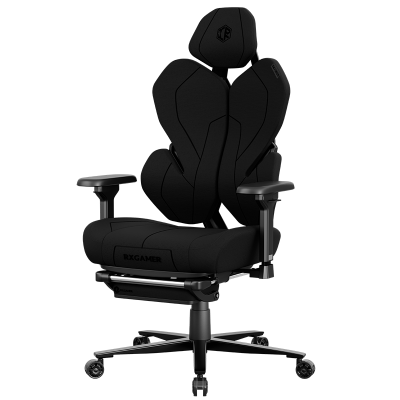
What to Look for in a Gaming Chair
Ergonomics and Adjustability
One of the most crucial aspects of any gaming chair is its ergonomic design and adjustability. Ergonomics focuses on creating a seating solution that reduces strain on the body, promotes correct posture, and allows for extended periods of sitting without discomfort. A gaming chair designed with these principles can prevent long-term health issues such as back pain, neck strain, and poor circulation.
Importance of Lumbar Support, Headrest, and Adjustable Armrests
Lumbar support is vital for maintaining the natural curve of the lower spine. Chairs that feature adjustable lumbar pillows or built-in lumbar mechanisms allow users to tailor the support to their unique body shapes. Similarly, headrests play a significant role in supporting the neck and shoulders, reducing fatigue during prolonged gaming or work sessions. Adjustable armrests enable users to keep their arms in a neutral position, reducing strain on the shoulders, wrists, and forearms.
| Feature | Benefits | Adjustment Type |
|---|---|---|
| Lumbar Support | Maintains spinal alignment, prevents lower back pain | Height & depth adjustable, removable cushion |
| Headrest | Reduces neck and shoulder tension | Height & tilt adjustable |
| Armrests | Reduces strain on arms and wrists | Height, width, and angle adjustable |
Different Types of Ergonomic Features
Gaming chairs offer a variety of ergonomic features beyond basic lumbar and head support. High-end models often include reclining mechanisms, tilt lock functions, and synchronized movement systems that allow the backrest and seat to move together, promoting natural body motion. Some chairs also integrate dynamic support technologies such as memory foam padding or contoured seating to distribute pressure evenly.
Material and Build Quality
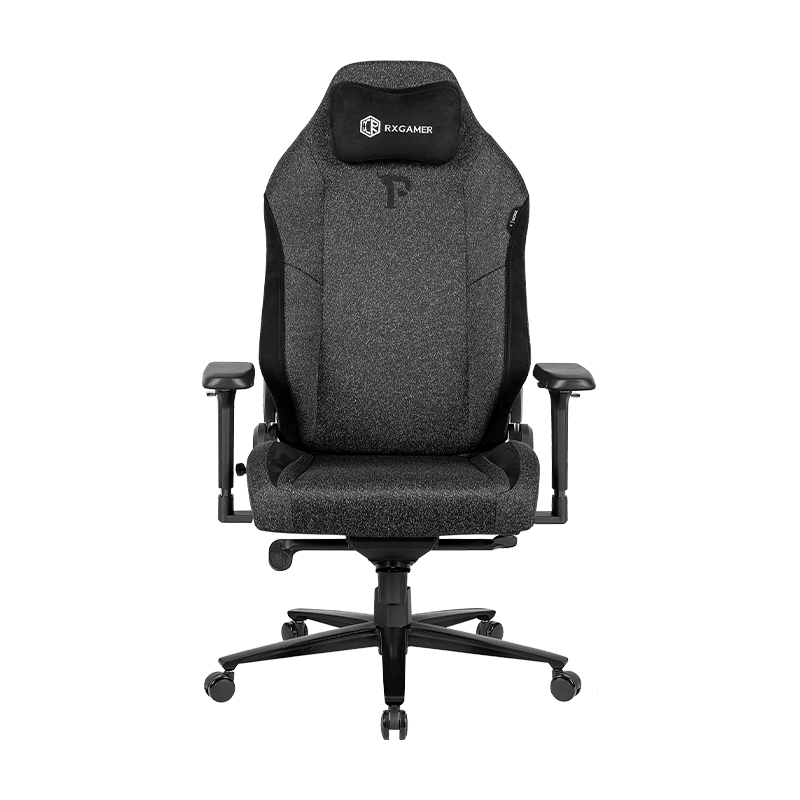
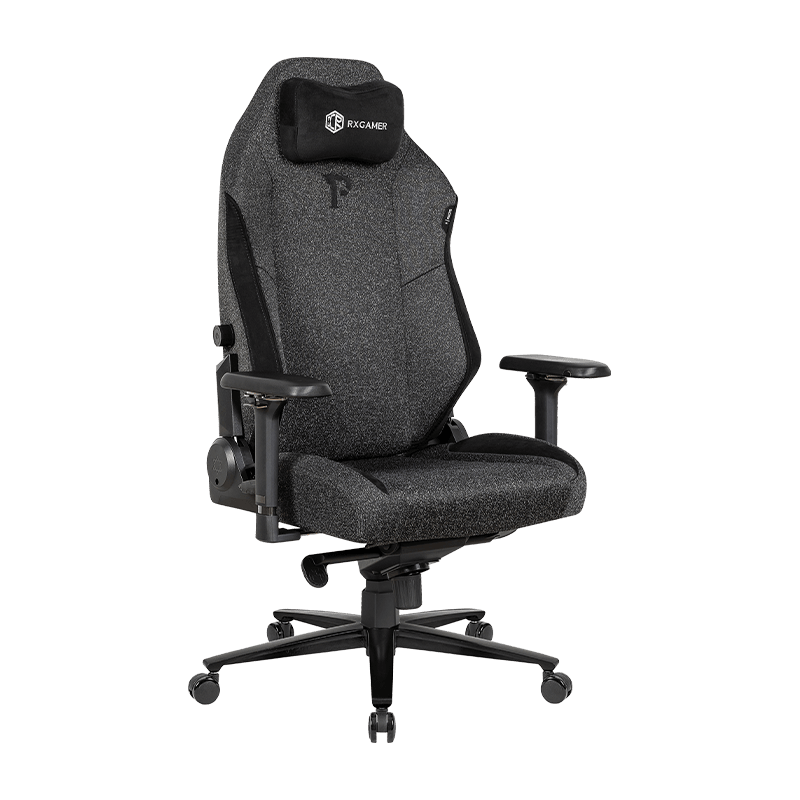
The choice of materials affects both the comfort and longevity of a gaming chair. Common materials include PU leather, fabric, and mesh, each with distinct characteristics.
PU Leather: Provides a premium look and is easy to clean, but may retain heat during long sessions.
Fabric: Offers better breathability and softer feel but is harder to clean and may wear faster.
Mesh: Highly breathable, lightweight, and durable, ideal for preventing heat accumulation, though it may lack plush padding.
A sturdy frame and base are equally important. Steel frames and reinforced bases ensure stability and support, especially for users who frequently adjust chair height or recline.
| Material | Pros | Cons |
|---|---|---|
| PU Leather | Elegant appearance, easy maintenance | Less breathable, may feel hot |
| Fabric | Soft and comfortable, breathable | Stains easily, shorter lifespan |
| Mesh | Excellent airflow, lightweight | Less cushioned, can be less comfortable initially |
Comfort and Support
Comfort extends beyond material choice. Seat width and depth should accommodate a variety of body types without feeling restrictive. A high backrest that conforms to the natural curvature of the spine improves overall posture. Adequate cushioning ensures that the body is supported evenly, reducing pressure points and promoting circulation.
Features and Extras
Modern gaming chairs often come with additional features to enhance the gaming experience:
Reclining and rocking functions for relaxation.
Built-in speakers and vibration motors for immersive audio feedback.
Footrests and modular accessories for personalized comfort.
These extras can significantly enhance comfort, but ergonomics and adjustability remain the foundation of a truly supportive gaming chair.
Weight Capacity and Size
Ensuring that the gaming chair matches the user’s body type is critical. Chairs have varying weight capacities and dimensions, and selecting one that supports your body properly will prevent strain and prolong the chair’s life.
How to Choose the Right Gaming Chair for You
Assess Your Needs
Understanding your gaming habits is the first step. Gamers who spend long hours seated need a chair with robust lumbar and head support, while casual players may prioritize aesthetics or budget. Room size and desk compatibility also play a role in choosing the ideal gaming chair.
Read Reviews and Comparisons
Researching different models is essential. Online reviews provide insights into real-world performance, durability, and comfort. Comparison tables can help highlight differences in ergonomic features, adjustability, and material quality.
| Chair Model (Example) | Lumbar Support | Headrest | Armrests | Material | Weight Capacity |
|---|---|---|---|---|---|
| Model A | Adjustable pillow | Fixed | Height adjustable | PU leather | 250 lbs |
| Model B | Built-in | Tilt adjustable | Fully adjustable | Mesh | 300 lbs |
| Model C | Removable cushion | Adjustable | 4D adjustable | Fabric | 280 lbs |
Try Before You Buy (If Possible)
Testing a chair in person allows you to assess comfort, range of adjustments, and overall fit. Even if you plan to purchase online, visiting a local store for hands-on experience is invaluable.
Gaming Chair Setup and Maintenance
Proper setup ensures you reap the full ergonomic benefits. Key guidelines include:
Follow assembly instructions carefully, tightening all screws and bolts.
Adjust lumbar, headrest, and armrests to align with your body posture.
Keep feet flat on the floor and maintain a neutral spine position.
Routine maintenance prolongs chair life. Clean PU leather with a damp cloth, fabric with mild detergent, and ensure moving parts are lubricated. Regular inspections for wear or loose components prevent potential damage.
Conclusion
Choosing the right gaming chair requires careful consideration of ergonomics, adjustability, materials, and additional features. A well-designed gaming chair supports posture, enhances comfort, and contributes to better gaming performance. By assessing your needs, researching models, and properly setting up your chair, you can create an optimized gaming environment that promotes both health and enjoyment.
Investing in a quality gaming chair is not merely a purchase; it is a commitment to long-term comfort and performance. Prioritize ergonomic design, ensure adjustability aligns with your body, and maintain your chair well to maximize its benefits.