
 English
 中文简体
 русский
 Español
 عربى

Why Your Neck Notices Long Sessions First
Most people do not think about their neck until the end of a long session. A match runs late, a spreadsheet stretches into the evening, or a video call goes past the usual hour, and suddenly the upper back feels stiff and the base of the skull starts to ache. The chair is often the first thing blamed, yet the headrest is usually the part that receives the least attention. It is the only surface designed to meet the head directly, which makes it one of the most important elements of comfort in any seat built for extended use.
A magnetic headrest is one answer to a practical question many chair owners ask: how do I find a head position that feels right and keep it there without fighting the chair every time I lean back? This article explains what the design does, which benefits are well grounded, which claims are often overstated, and how to set one up so the advantages actually show up in daily life. The aim is practical guidance rather than a sales pitch, so the discussion focuses on mechanics, posture, and everyday habits.
The examples in this article describe typical situations rather than controlled laboratory results. Where a figure or range appears, it is meant to give a sense of scale. Your own body, your own chair, and your own routine will determine how much any feature matters to you.
How a Magnetic Headrest Works
A conventional adjustable headrest usually depends on a friction collar, a locking knob, or a sliding post secured with a pin. These systems are reliable, but they require a small amount of effort each time the height or angle changes, and many people set them once and never touch them again. A magnetic design replaces much of that mechanical friction with a simple attraction between two surfaces.
In a typical arrangement, a steel plate is fixed inside the backrest structure, and a magnet sits within the headrest assembly. When the pad is brought close to the plate, the magnetic force pulls it into a stable position. To move the pad, you apply enough force to overcome that pull and slide it to a new spot. Because the magnet and plate meet along a flat or gently curved surface, the pad can settle at many points along its travel instead of snapping into fixed notches.
Magnetic attraction and a stable resting point
The strength of the hold depends on three main factors: the magnet strength, the surface area of the steel plate, and the distance between the two parts. A longer steel plate generally provides a wider range of usable positions, while a stronger magnet keeps the pad steady under light leaning. Designers have to balance these factors carefully, because a hold that is too weak will drift during a session, and one that is too strong will feel stiff and make adjustment tiring.
Repositioning without tools
The practical advantage is speed. Moving the pad takes a single motion rather than loosening a knob, lifting a pin, and retightening everything. People who share a chair, or who switch between gaming and desk work several times a day, tend to notice this most. Because there is no need to unscrew anything, there are also fewer small fasteners that can loosen or wear over time.
Core Benefits for Neck and Upper Spine Support
The main purpose of any headrest is to share the weight of the head with the chair instead of leaving the neck muscles to hold it upright for hours. The head is heavy relative to the neck, and every bit of forward drift increases the load on the muscles at the back of the neck and between the shoulder blades. A headrest set at the right height and depth lets the head rest against a supporting surface, which reduces that constant effort.
The neck muscles share work with the backrest.
The pad stays where it was placed.
Small changes take seconds, not minutes.
Reducing sustained forward head posture
Many people drift forward while concentrating on a screen or a live match. Over the course of an hour, the head can settle well ahead of the shoulders, a pattern ergonomists often describe as forward head posture. Once this happens, the muscles at the back of the neck and upper back work continuously to hold the position. A magnetic headrest makes it easier to return to a consistent supported position, because the pad stays where it was set and can be nudged back to the same spot after a break.
Several concrete benefits follow from this:
- It supports the weight of the head so the neck muscles can relax between actions, such as aiming, reading, or waiting for a loading screen.
- It helps keep the natural curve of the neck closer to a comfortable shape when the pad is positioned at the base of the skull rather than the top of the head.
- It stays in place when the chair reclines, so support does not disappear the moment you lean back to rest.
- It makes small corrections fast, which encourages people to adjust their position instead of tolerating a slouch.
Spreading load across the upper back
When the head rests against the pad, part of its weight transfers into the backrest. That shifts load away from the neck and into the upper back, where the chair frame and padding are designed to carry it. Many users describe the difference as feeling held rather than having to hold themselves up. The effect is most noticeable in the final hour of a session, when fatigue has already set in and posture tends to collapse.
Posture Benefits Beyond the Neck
A headrest is often discussed as a neck accessory, but its influence extends through the whole seated posture. When the head is supported, the shoulders tend to drop slightly, the chest opens, and breathing becomes less shallow. These changes can seem minor, yet they affect how long a person can sit before discomfort builds, and they influence how alert the body feels during demanding tasks.
The table below compares common situations between a fixed headrest and a magnetic one. The comparison is general, and results will vary depending on the specific chair and how it has been set up.
| Situation | Fixed headrest | Magnetic headrest |
|---|---|---|
| Changing height | Requires loosening a locking part | Moved with one smooth motion |
| Reclining for a break | Pad may shift out of position | Pad generally stays aligned |
| Sharing the chair | Often needs re-setting each time | Quick to find a comfortable spot |
| Hardware over time | Pins and knobs can loosen | Fewer moving fasteners to check |
Pairing the headrest with lumbar support
A headrest works best as part of a complete posture system rather than a stand-alone feature. If the lower back is unsupported, the pelvis tends to roll backward, the spine flattens, and the head is pushed forward to compensate. A well-placed lumbar cushion or a built-in lumbar curve keeps the spine stacked, and the headrest then catches the head at a natural height. Checking both supports together, rather than adjusting one in isolation, usually produces the most noticeable improvement.
A useful test is to sit fully back in the chair, relax your shoulders, and look straight ahead. If your head feels supported without you pushing it back, the headrest and backrest are working together. If you feel the need to crane your neck or lift your chest, adjust the pad or the lumbar support before continuing.
Comfort During Long Sessions
Comfort is rarely about one perfect setting. Bodies change over the course of a session, and a position that felt right at the beginning may feel tight an hour later. A headrest that moves easily makes it more likely that people will adjust rather than endure discomfort, and small adjustments often prevent larger problems from developing.
Common workplace ergonomic guidance encourages people to change position regularly and to take short breaks that involve standing or moving. A headrest does not replace movement, but it makes a slight recline or a return to upright posture less of a hassle, which can make those breaks easier to take.
A typical evening scenario
Consider a person who plays for two hours in the evening and then works on documents for another hour. Without a headrest, the neck often becomes the first complaint, and the upper back follows. With a pad set at a sensible height and nudged slightly during a break, the same person may notice less stiffness at the end of the day. Results differ from one person to the next, but the pattern of making small, frequent changes is the habit that tends to help most.
Padding, cover, and pad shape
The surface that touches the head matters as much as the mechanism behind it. Pads with moderate firmness usually feel supportive without creating pressure points, while overly soft pads can sink and lose their shape. Breathable covers help reduce warmth during longer sessions, and a gently contoured pad distributes contact more evenly across the back of the skull. When comparing options, look for padding that feels stable under light pressure and recovers its shape after you lean away.
Fit, Height, and Adjustability
The benefits of any headrest depend heavily on fit. A pad placed too high can push the head forward at the top of the skull, while a pad placed too low may leave the upper neck unsupported. Taking a few minutes to find the right position is usually worth the effort, particularly for people who spend several hours a day in the chair.
Finding the right height
A common starting point is to align the pad so it contacts the back of the head roughly where the skull meets the neck. For many people this sits near the base of the skull rather than the crown. When the pad is at this level, the head can rest without tilting forward or backward. Once the height feels right, move the chair slightly in both directions to confirm that the head stays supported rather than sliding off the pad.
Depth and recline angle
Depth refers to how far the pad sits from the backrest, and it changes how the head meets the support. Recline angle changes how much the head tilts as you lean back. Many gaming seats offer a recline range that falls somewhere in the region of 90 to 155 degrees, which allows a wide variety of postures from upright focus to relaxed review. A magnetic pad that holds its position across this range keeps the head supported throughout the movement, which is one of its clearest practical advantages.
Accounting for body size
People of different heights and body proportions will need different pad positions. Taller users often prefer a pad further up the backrest, while shorter users may find that the lowest practical setting gives the best support. Weight distribution also matters: a heavier head or a more forward-leaning sitting style may call for a slightly firmer pad or a more carefully set angle. The goal is always the same, which is to let the head rest without the neck doing the work.
Gaming and Office Use: Where the Benefits Show Up
Gaming and office work place different demands on the body. Gaming often involves leaning forward, reacting quickly, and holding a near-upright posture for long periods. Office work tends to involve more reclining, reading, and periodic phone calls. A magnetic headrest is useful in both settings, but the way its advantages appear is slightly different in each.
In gaming, the value lies in quick, repeatable positioning. Players who lean forward for a fast-paced match can move the pad to a position that supports the head without disturbing their focus. In office work, the value lies in consistency. A pad that stays put during reclining supports the head during reading and thinking, and makes it easier to return to a comfortable position after a meeting or a break.
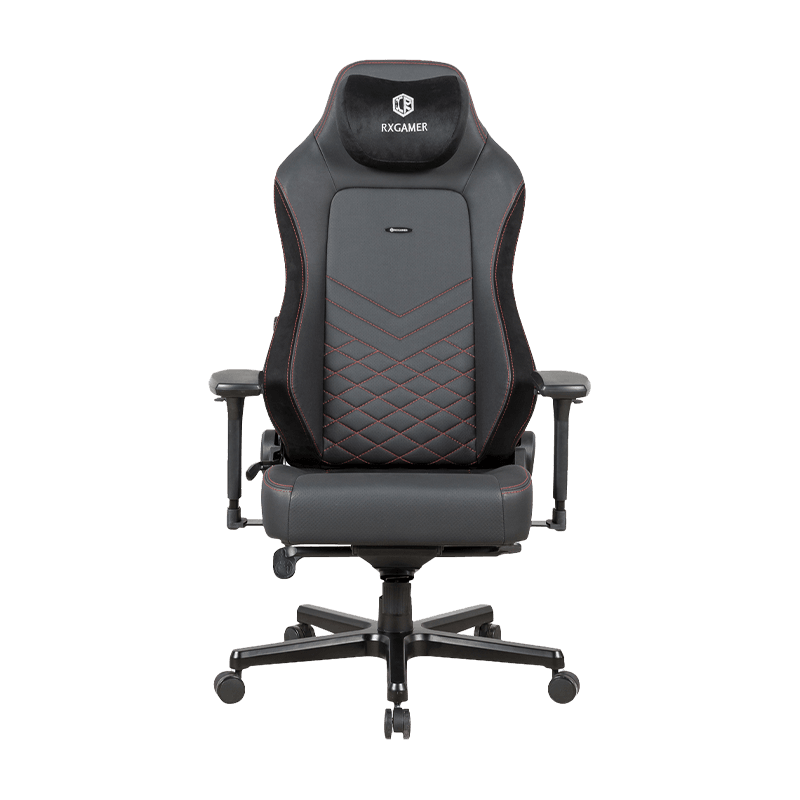
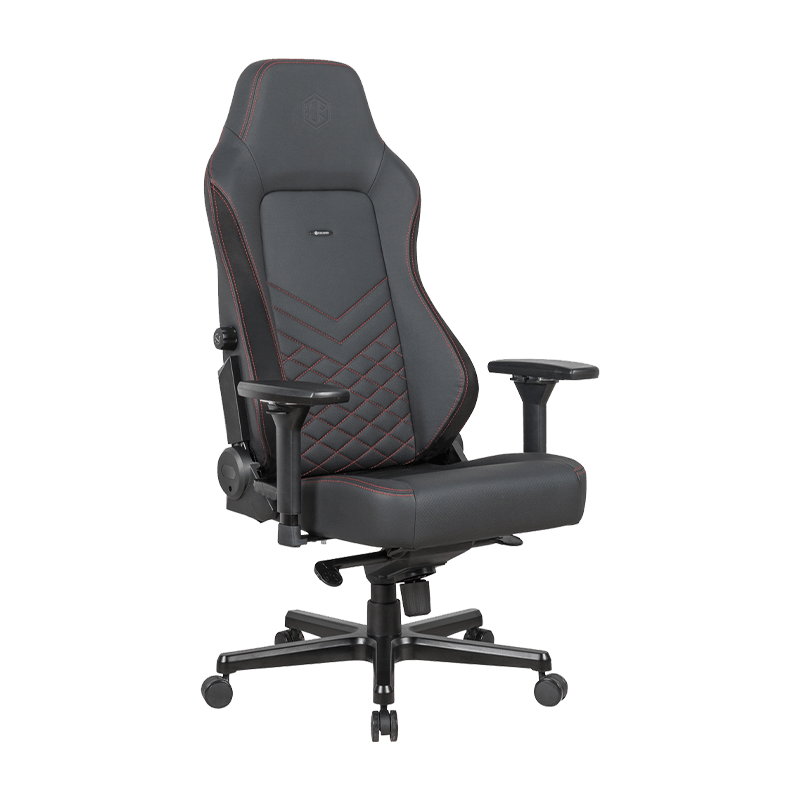
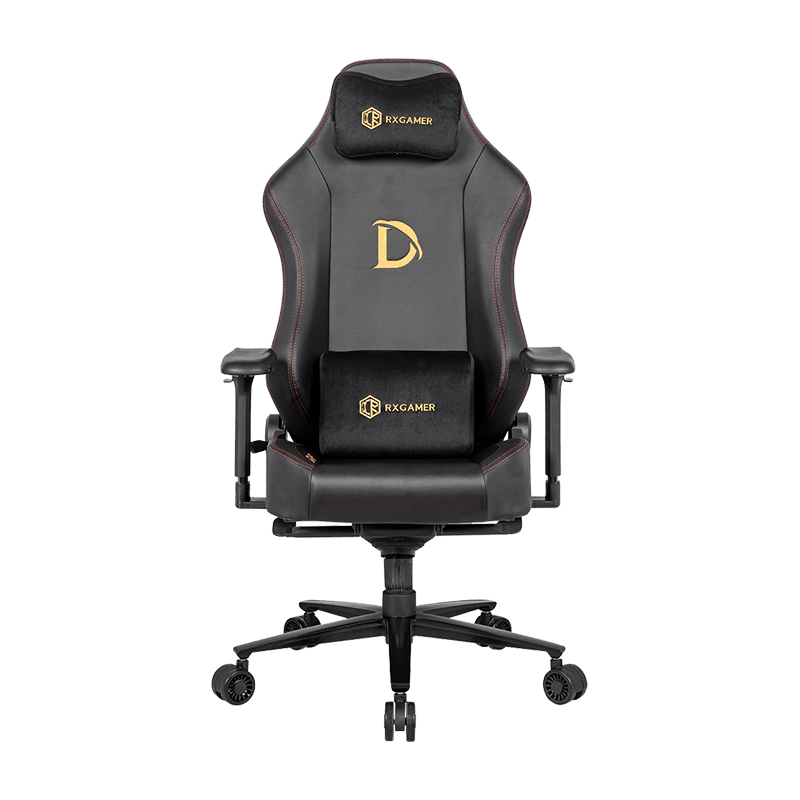
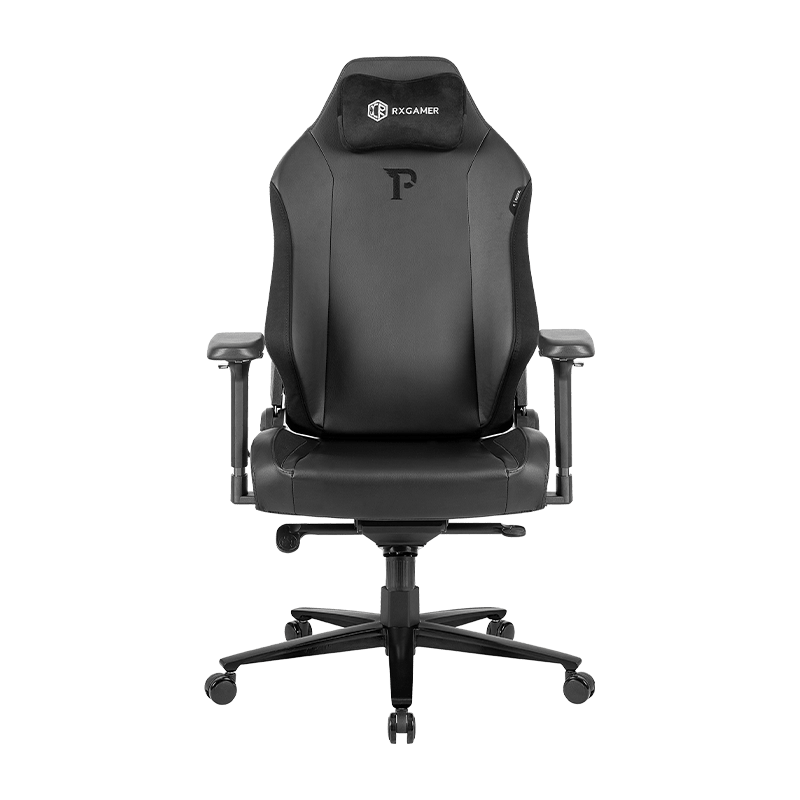
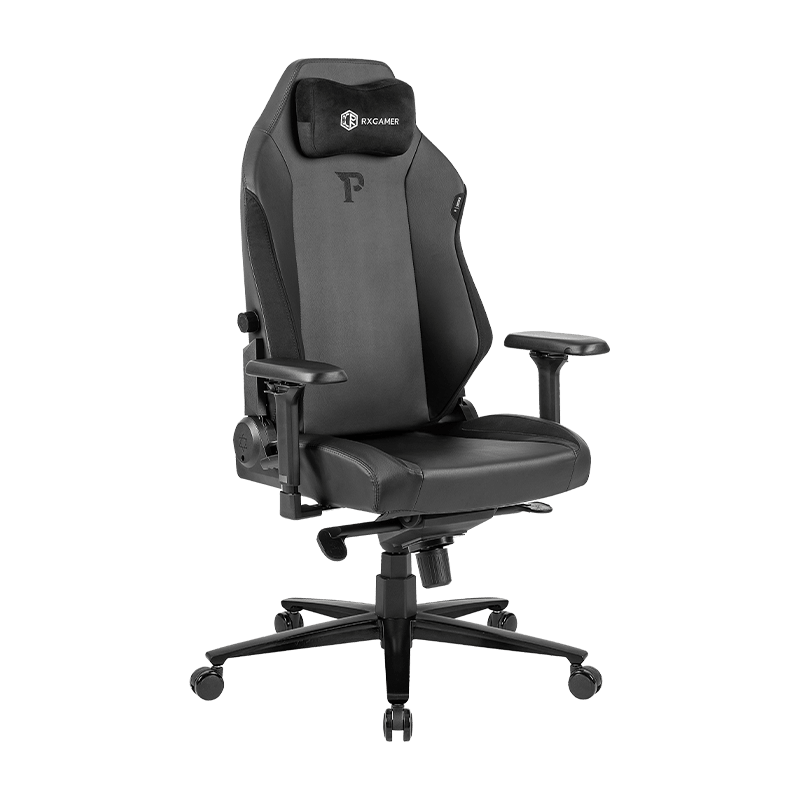
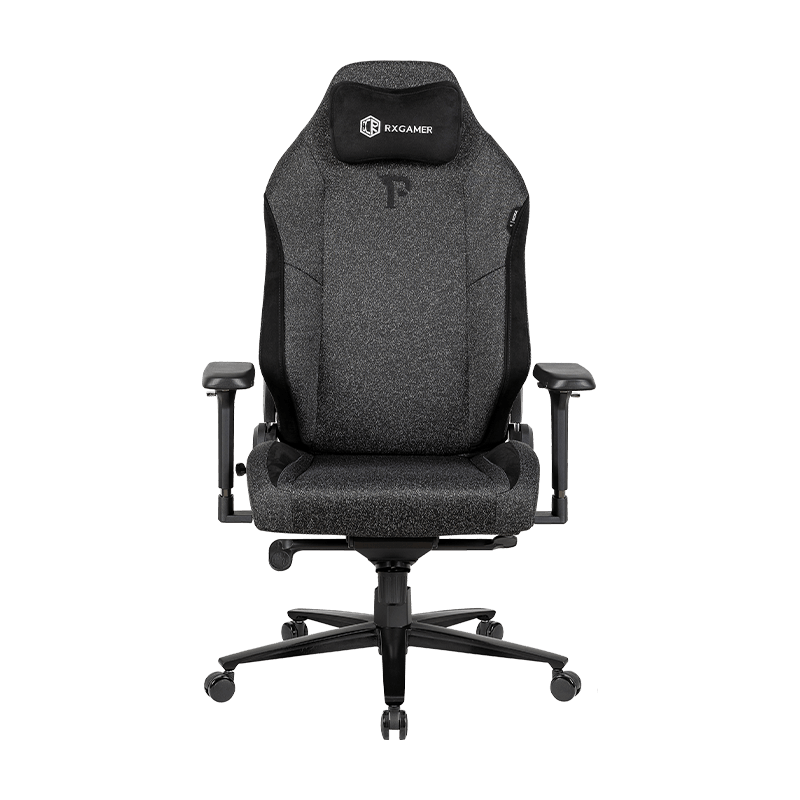
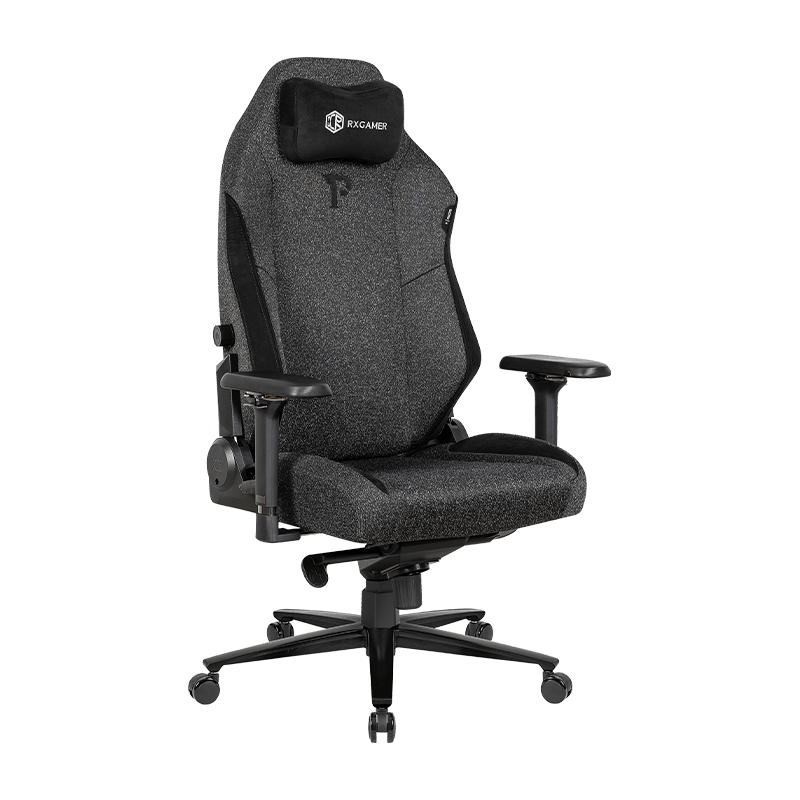
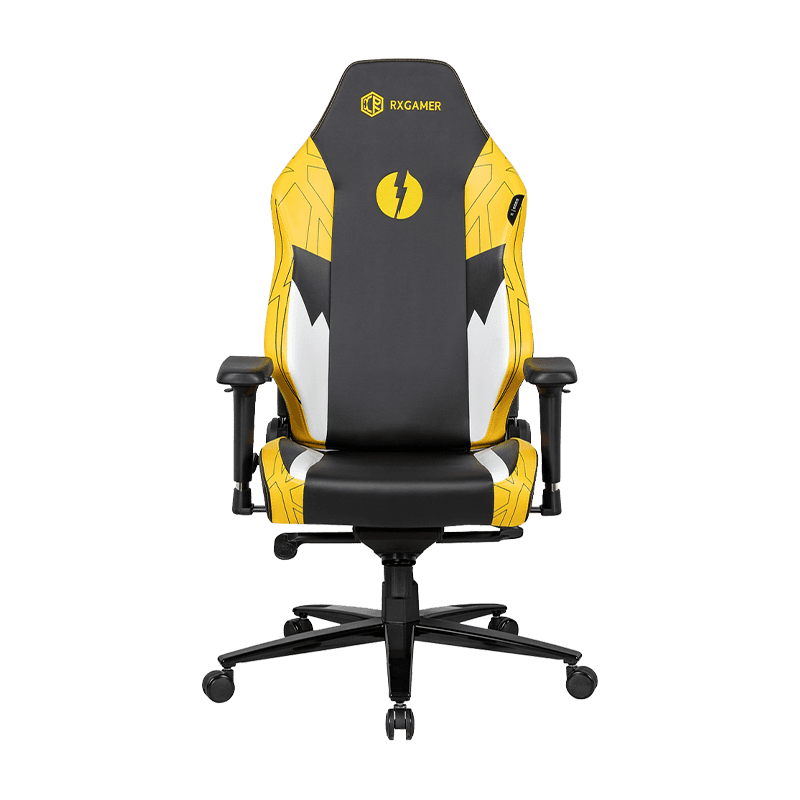
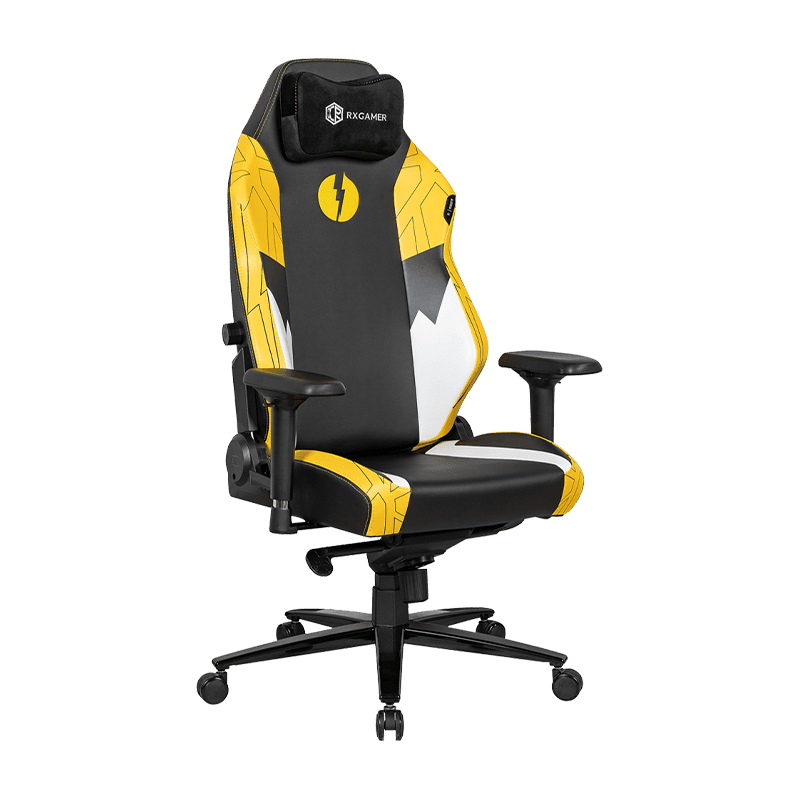
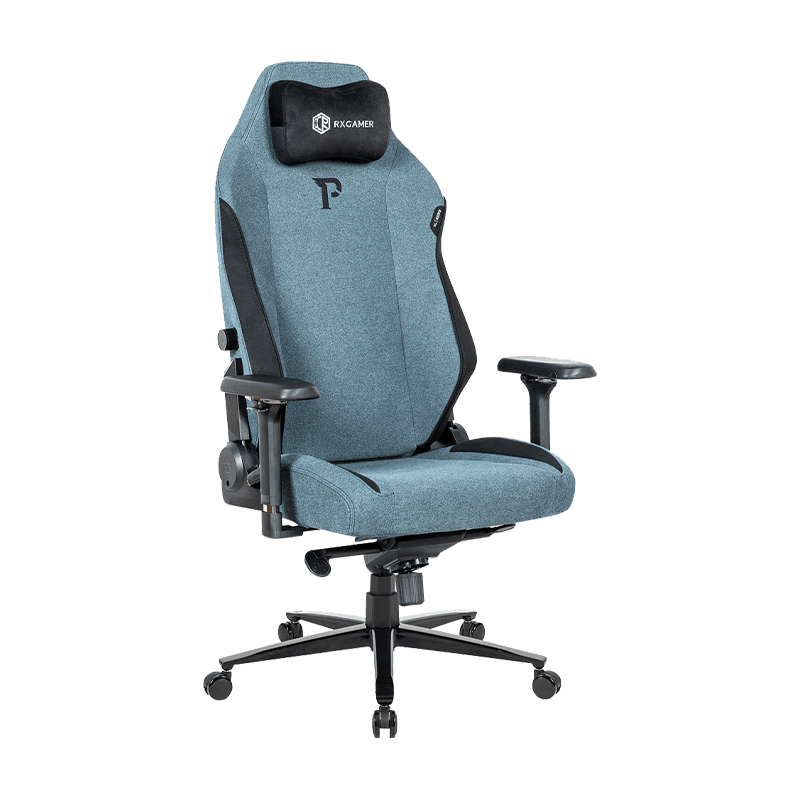
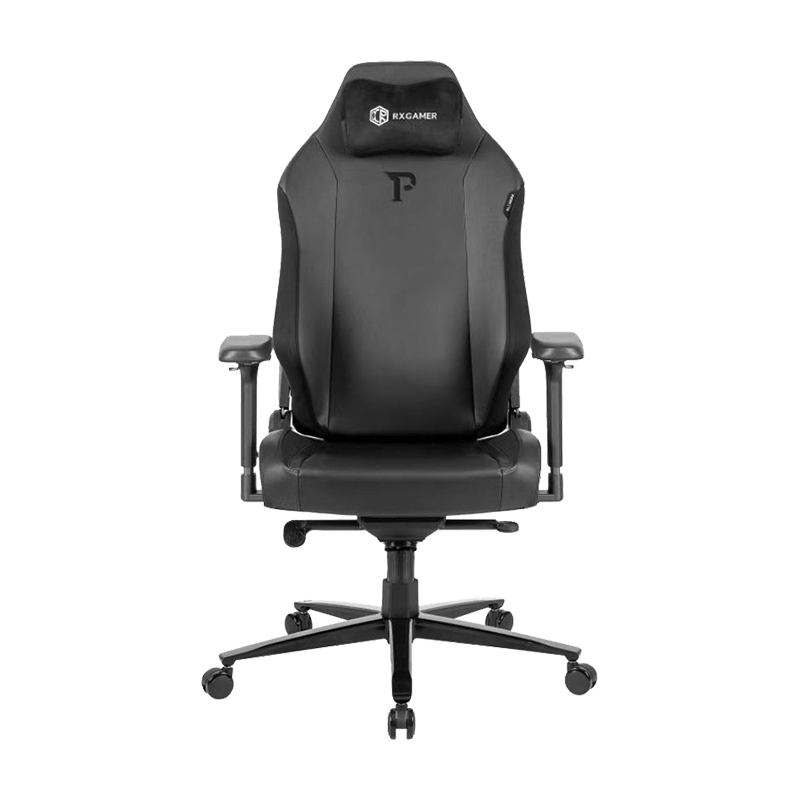
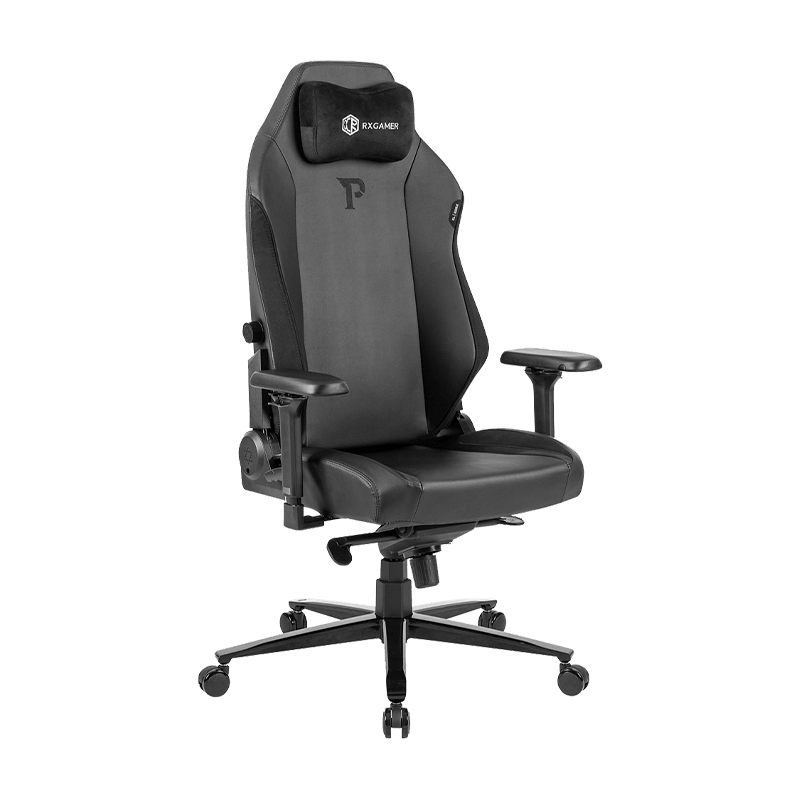
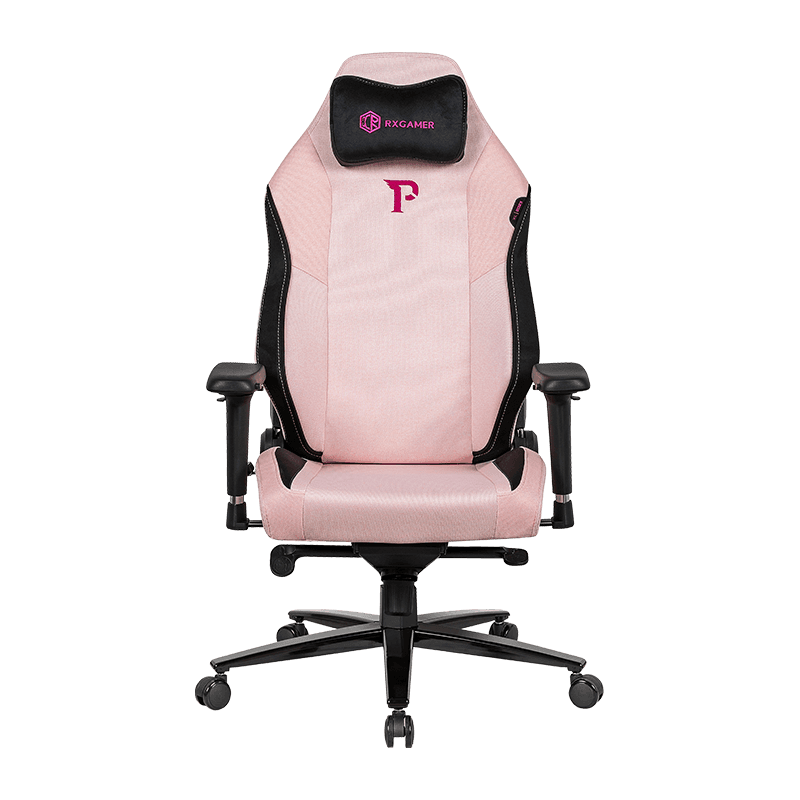
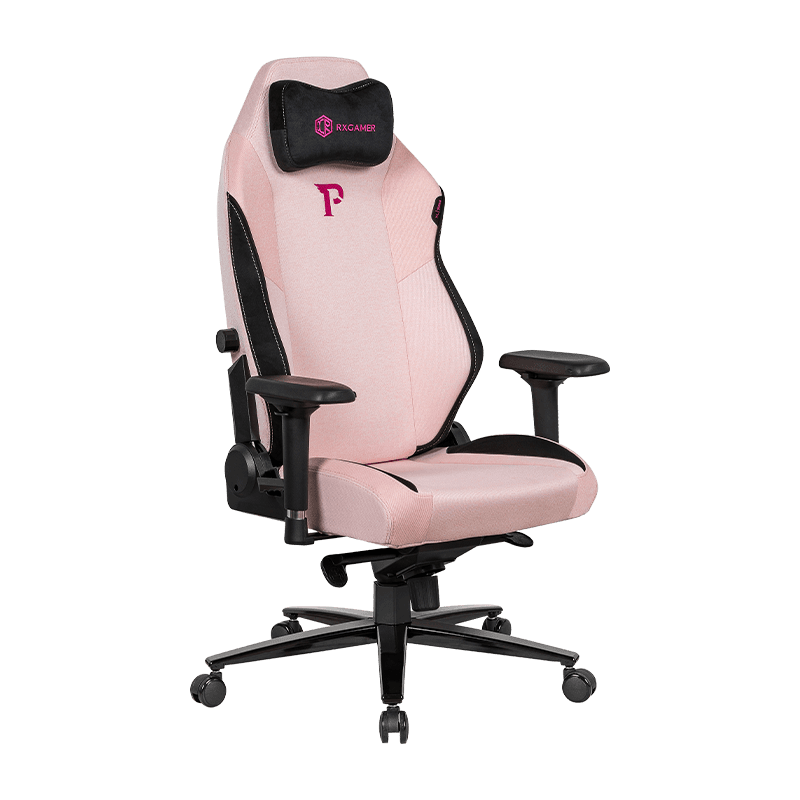
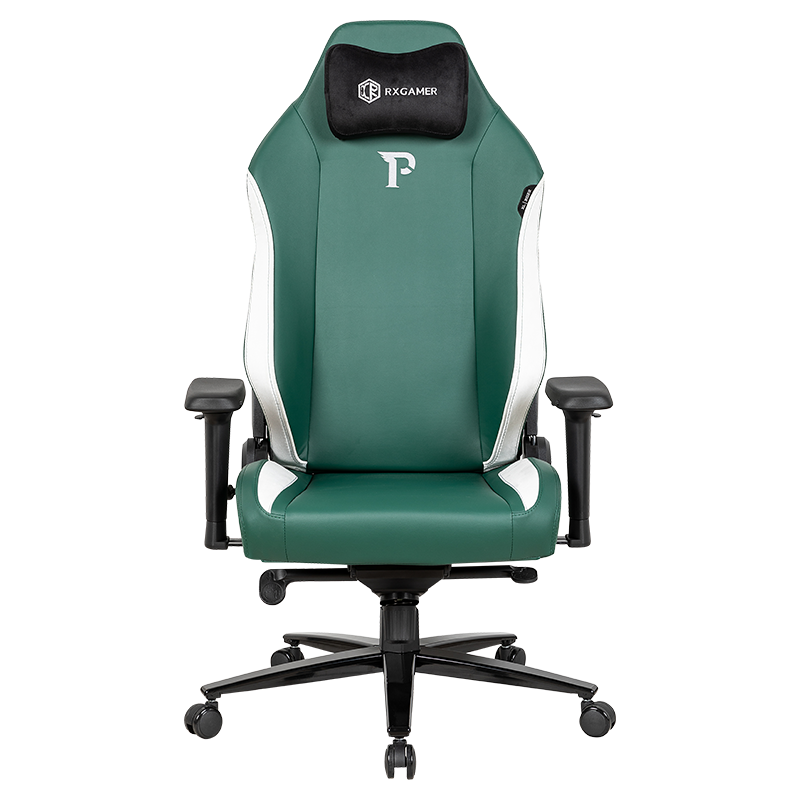
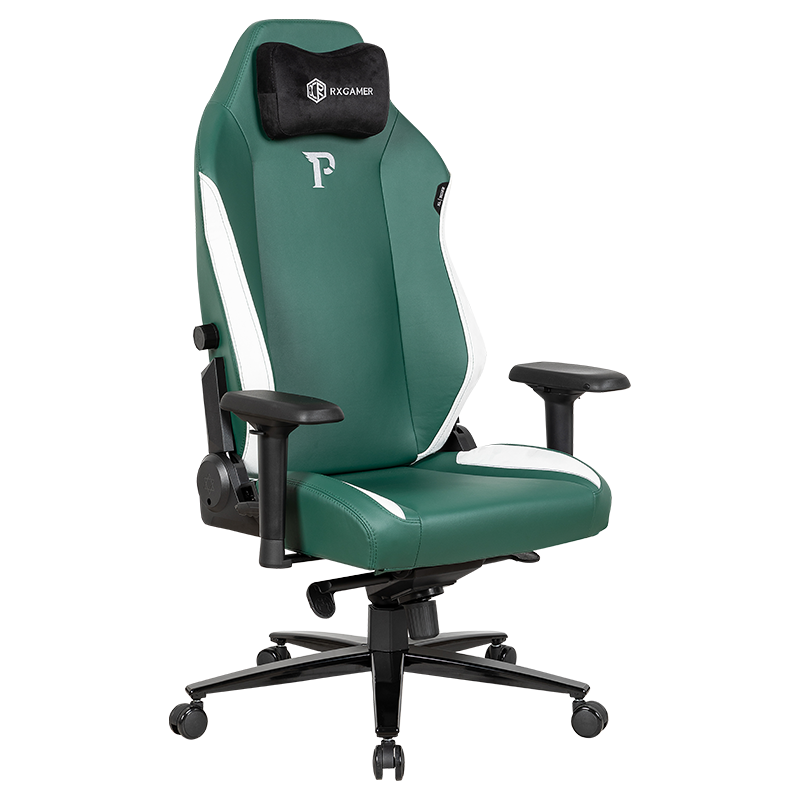
A chair such as the RX-2174 illustrates how this design appears in a seat intended for both gaming and home office use. Its single magnet and steel plate arrangement shows the principle described above in a straightforward form. Whatever chair you consider, the same questions apply: does the pad hold its position, does it move easily, and does it support the head in the postures you use most?
- Note the postures you use most often, such as focused forward lean, relaxed recline, or quick glances at a second screen.
- Test the pad in each posture and confirm that the head stays supported without active effort.
- Recheck the setting after a few days, since a comfortable position often becomes clearer with use.
A Practical Setup Checklist
Good setup transforms a magnetic headrest from a convenient feature into a reliable support. The sequence below works well for most people and takes only a few minutes. It is best done while sitting in your normal posture, with your usual shoes and clothing, since these small details affect how the chair feels.
- Sit fully back in the chair and relax the shoulders so you are in your natural seated posture.
- Bring the pad to the base of the skull and confirm that it contacts the head without pushing it forward.
- Adjust the depth so the pad feels supportive but not pressing firmly against the crown of the head.
- Recline gently through the full range, watching for any drift, and then return upright to confirm the pad stays in position.
- Work for twenty minutes in your usual task, then check whether the neck or upper back feels more or less tense than before.
Common Mistakes That Reduce the Benefits
Even a well-designed magnetic headrest can underperform if it is used carelessly. Most problems are simple to correct once they are recognized, and many of them come from habits rather than from the equipment itself.
- Setting the pad too high, which pushes the head forward at the top of the skull and creates tension in the upper neck instead of relieving it.
- Leaning far forward for long periods and expecting the headrest to hold the head in a posture the chair was never meant to support.
- Ignoring the lumbar area, which allows the spine to flatten and forces the head to reach forward to compensate.
- Failing to recheck the setting after changing the chair height or the recline lock, since small shifts can change how the pad meets the head.
- Pushing the pad too often to new positions without settling on a few reliable points, which makes it hard to build a consistent routine.
A simple habit helps avoid most of these issues: keep a note of the setting that feels best for your normal tasks, and return to it whenever you sit down. Over time, the position you choose becomes a reference point rather than something you need to rediscover each day.
What to Look for When Choosing a Magnetic Headrest Chair
When comparing chairs with magnetic headrests, it helps to read the specifications rather than relying on general impressions. Several details affect how the chair feels over months of use, and they often matter more than the headrest alone. Looking at the full build gives a clearer sense of whether the chair suits your body and your routine.
- The steel plate length and placement, since these determine how far the pad can travel and how smoothly it moves across its range.
- The armrest design and adjustment options, because arm position affects shoulder tension, which in turn influences how the neck feels.
- The recline angle range and the quality of the angle adjuster, which control how the head tilts during different tasks.
- The base and casters, which affect stability and how easily the chair moves on your floor surface.
- The padding density and cover material, which shape comfort during long sessions and influence how warm the seat feels.
Product pages that list these components in clear detail make comparisons much easier. The RXGAMER product range, for example, lists its headrest, armrest, base, and caster specifications, which allows a buyer to check each element against personal needs rather than relying on marketing language alone.
Matching features to your priorities
Not every feature matters equally to every person. A player who reclines rarely may prioritize a sturdy angle adjuster and a headrest that stays in place at upright settings. An office worker who reads and calls frequently may care more about armrest comfort and lumbar support. Writing down your three most common tasks before comparing chairs helps keep the decision focused on real use rather than on features that sound impressive but rarely matter in practice.
Maintenance and Long-Term Durability
A magnetic headrest has fewer moving fasteners than many traditional designs, which can simplify maintenance. Even so, a few routine checks help keep the pad aligned, the cover clean, and the chair comfortable over the long term.
Routine checks
Every few weeks, check that the pad still sits securely and that it returns to the same spot after you move it. Wipe the steel plate area and the pad surface to remove dust, since debris between the two can affect how smoothly the pad slides. Inspect the cover seams and stitching, as small tears can grow if they are left unattended. Keep the casters clear of hair and debris so the chair rolls smoothly and does not place uneven strain on the base.
Protecting the pad and cover
Avoid placing heavy objects on the headrest or pulling the pad sideways with force. Use a mild cleaning solution for the cover, and allow it to dry fully before sitting again. If the pad begins to feel softer or less supportive over time, a change in position may help temporarily, but replacing worn padding is often the more effective long-term fix.
Good maintenance is not complicated. Brief, regular attention to the pad, the cover, and the base usually does more to preserve comfort than occasional deep cleaning after problems have already appeared.
Frequently Asked Questions
Q1: Does a magnetic headrest actually reduce neck strain?
It can help, mainly by sharing the weight of the head with the backrest and by making it easier to keep the head supported over long periods. Results depend on the individual, the setup, and the habits involved, so it works best alongside good posture, regular movement, and breaks.
Q2: How is a magnetic headrest different from a standard adjustable headrest?
A standard headrest usually relies on a knob, pin, or friction collar that must be loosened to move. A magnetic headrest uses an attraction between a magnet and a steel plate to hold its position, which generally allows quicker repositioning and fewer small fasteners to maintain.
Q3: Will the headrest slip when I recline?
A well-designed magnetic pad should hold its position under normal leaning, but the strength of the hold depends on the magnet, the plate, and how the pad is placed. If you notice drift, check that the pad is seated against the plate, clean the contact area, and confirm the setting before your next session.
Q4: Where should the headrest sit for the best support?
For most people, the pad should contact the back of the head near the base of the skull rather than the top of the head. From this position, the head can rest without tilting forward, and the neck muscles have less work to do. Small adjustments may still be needed based on body size and seating style.
Q5: Is a magnetic headrest useful for office work as well as gaming?
Yes. In office settings the pad helps during reading, reclining, and thinking, and its consistent position makes it easier to return to a comfortable posture after breaks or calls. The same setup principles apply, although the best position may differ slightly from the one used for focused gaming.
Q6: How often should I adjust the headrest?
There is no fixed schedule. Many people find it useful to check the setting when they first set up the chair, after any change in desk or seating arrangement, and whenever they notice persistent stiffness. Small changes during breaks can also help keep the body from settling into one position for too long.