
 English
 中文简体
中文简体 русский
 Español
 عربى
عربى
In today's modern workplace, whether you work from home or in a shared office environment, the constant squeak and rattle of an office chair can become a major distraction. An often overlooked aspect of workplace comfort and productivity is the noise level of your seating solution. Many professionals spend eight or more hours daily in their office chair, and a loud, disruptive chair can significantly impact both personal focus and the comfort of those around you. The difference between a standard office chair and a truly silent one extends far beyond just noise reduction—it encompasses ergonomic design, material quality, and technological innovation. Understanding what makes a silent office chair superior can help you make an informed decision that benefits your work environment and overall well-being.
Why Silent Office Chairs Matter More Than You Think
The impact of noise in a work environment goes deeper than mere annoyance. Research in workplace productivity indicates that constant auditory distractions can reduce focus by up to 40 percent, depending on the frequency and intensity of the sounds. When your office chair creaks with every movement, shifts, or reclines, it creates a subtle but persistent interruption that affects your concentration and that of your colleagues.
The Psychological Effect of Noise
Beyond productivity metrics, constant noise creates psychological stress. Your brain is continuously processing auditory signals, even when you are not consciously aware of them. This background processing consumes cognitive resources that could otherwise be directed toward your work tasks. Over the course of a workday, this mental fatigue accumulates, leading to reduced energy levels and increased likelihood of making errors.
Silent Chairs in Shared Spaces
For professionals working in open-plan offices, cubicles, or collaborative environments, a silent chair becomes a matter of professional courtesy. When your seating produces minimal noise, you show respect for your colleagues' focus and concentration. This consideration fosters a more pleasant workplace culture and can positively influence team dynamics and workplace satisfaction.
Essential Features of a High-Quality Silent Office Chair
Understanding what makes a chair genuinely silent involves examining several key technical and design elements. A truly quiet ergonomic office chair is not simply one where noise reduction happens by accident, but rather where it results from intentional engineering and material selection.
Specialized Wheel Systems
The wheels represent one of the most critical components in determining noise levels. Standard hard plastic or metal wheels create significant friction and noise when rolling across various flooring surfaces. Advanced silent chair designs incorporate wheels with the following characteristics:
- Premium polyurethane (PU) construction that absorbs impact
- Cup-type designs that minimize contact noise and vibration
- Smooth rolling action that reduces mechanical friction
- Size optimization for stability without sacrificing glide quality
- Surface finishing that promotes silent movement across hard floors and carpet
Base and Foundation Engineering
The base of your office chair carries considerable importance in noise reduction. A properly engineered base prevents vibrations from transferring through the structure and into the floor. Quality bases feature electroplated finishes that enhance durability while maintaining smooth rotation. The casting quality affects how well the base distributes load and minimizes flex-induced creaking.
Material Selection and Upholstery
The materials covering your chair directly influence how sound transmits through and around the seating structure. Velvet materials and soft non-woven cotton backings provide superior sound dampening compared to harder synthetic fabrics. These materials absorb vibrations rather than reflecting them, contributing to an overall quieter seating experience. The padding beneath upholstery also plays an important role in absorbing and dissipating vibrations that would otherwise create noise.
Structural Integrity and Joint Quality
Many office chairs produce noise because poorly fitted joints and connections create movement and friction. Chairs designed for silence feature precision manufacturing that ensures all connection points fit tightly without gaps or play. When joints are secure and properly aligned, they cannot rattle or creak regardless of how much movement occurs during normal use.
Premium Materials That Enhance Silence
The choice of materials in a silent office chair extends beyond aesthetics to directly impact acoustic performance. Different materials have distinct vibration absorption properties and acoustic signatures when disturbed.
Velvet Upholstery Benefits
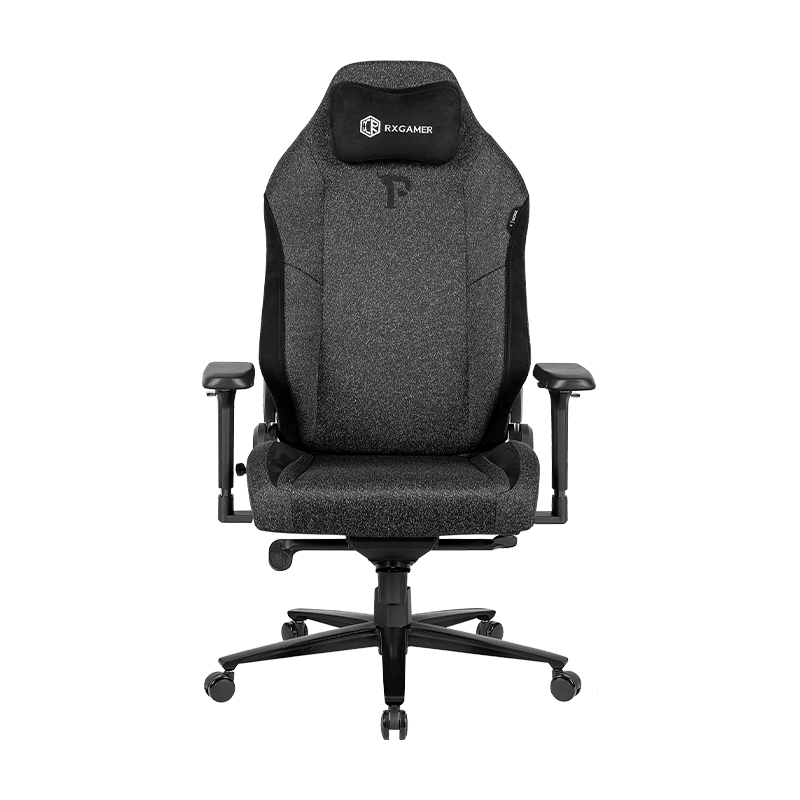
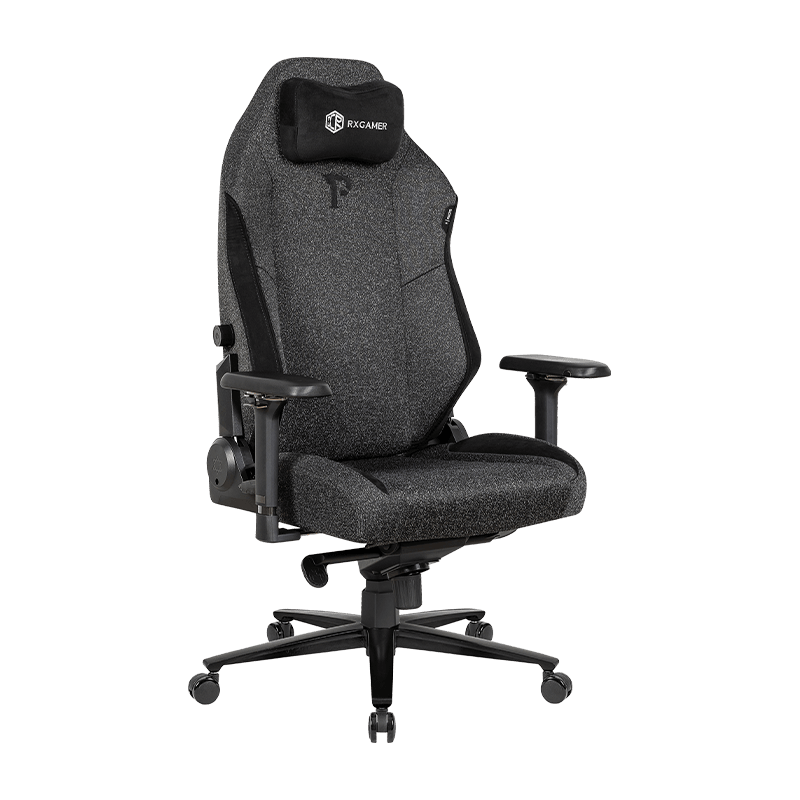
Velvet represents a premium choice for silent office chairs due to its unique structural properties. The densely woven fibers create a complex surface that absorbs sound waves rather than reflecting them. Unlike smooth synthetic leather that can transmit vibrations, velvet's texture interrupts sound propagation. Additionally, velvet provides superior comfort through its soft hand-feel while contributing to the acoustic profile of the chair.
Non-Woven Cotton Backing Systems
Beneath premium upholstery, quality silent chairs employ non-woven cotton backing materials. These layered systems provide multiple acoustic benefits:
- Enhanced vibration dampening across the entire seating surface
- Improved air circulation that prevents moisture accumulation
- Additional padding layer that absorbs impact noise
- Natural material properties that age gracefully without hardening
- Breathability that maintains long-term comfort during extended use
Electroplated Metal Components
Metal components in armrests and bases undergo electroplating processes that serve multiple functions. Beyond corrosion resistance and aesthetic appeal, electroplating creates uniform surfaces that eliminate micro-imperfections. These imperfections, while invisible to the eye, can create rattle and vibration. Full export-grade electroplating ensures the smoothest possible metal surfaces that transmit minimal vibration and noise.
How Ergonomic Design Supports Silent Operation
Ergonomic design principles and silent operation work together synergistically. When a chair is properly designed for human biomechanics, it requires less compensatory movement, resulting in less stress on the structure and fewer noise-producing vibrations.
Proper Lumbar Support
A comfortable desk chair with adequate lumbar support encourages proper posture and reduces shifting movements. When you feel comfortable and properly supported, you fidget less and move more deliberately. This reduced movement generates less noise and creates a more stable acoustic environment.
Armrest Positioning
Quality armrests that are positioned correctly for your body proportions reduce the need for hunching or reaching. When you feel secure and well-supported, you maintain stable positioning throughout the day. This stability prevents the constant micro-adjustments that create cumulative noise.
Seat Height and Tilt Mechanisms
Modern silent office chairs feature smooth, dampened tilt mechanisms that control movement gradually rather than allowing abrupt shifts. Gas cylinders in quality chairs compress and extend smoothly without the popping sounds that characterize lower-quality mechanisms. The number of adjustment gears determines how finely you can control height and tilt positions, with more gears providing smoother operation.
Silent Office Chairs vs. Standard Seating Solutions
Understanding the differences between silent and standard office chairs helps clarify why investing in quiet seating matters. The following comparison highlights key distinctions:
| Feature | Silent Office Chair | Standard Chair |
|---|---|---|
| Wheel Material | Premium PU with dampening | Hard plastic or thin PU |
| Upholstery | Velvet and soft fabrics | Standard mesh or vinyl |
| Base Construction | Full electroplating, precision fit | Basic plating, standard tolerance |
| Joint Tightness | Zero-play connections | Standard manufacturing tolerance |
| Sound Output | Minimal and muted | Noticeable creaking and squeaking |
Creating Quiet Workspaces: The Broader Picture
While selecting a silent office chair is important, it represents just one element of creating a truly quiet workspace. The acoustic environment benefits from a holistic approach that considers all seating solutions in the area.
Cumulative Noise Reduction
When multiple team members transition from standard chairs to silent models, the improvement becomes exponential rather than linear. The absence of several squeaking chairs transforms the acoustic character of an entire workspace. This cumulative effect creates a noticeably calmer, more focused environment where productivity increases measurably.
Integration with Acoustic Design
Silent chairs work best when combined with other acoustic design elements. Sound-absorbing panels, carpeting, and strategic placement of plants all contribute to overall noise reduction. However, eliminating unnecessary sources of noise at the source—such as chair squeaks—proves more effective than attempting to manage noise after it is generated.
Long-term Cost Effectiveness
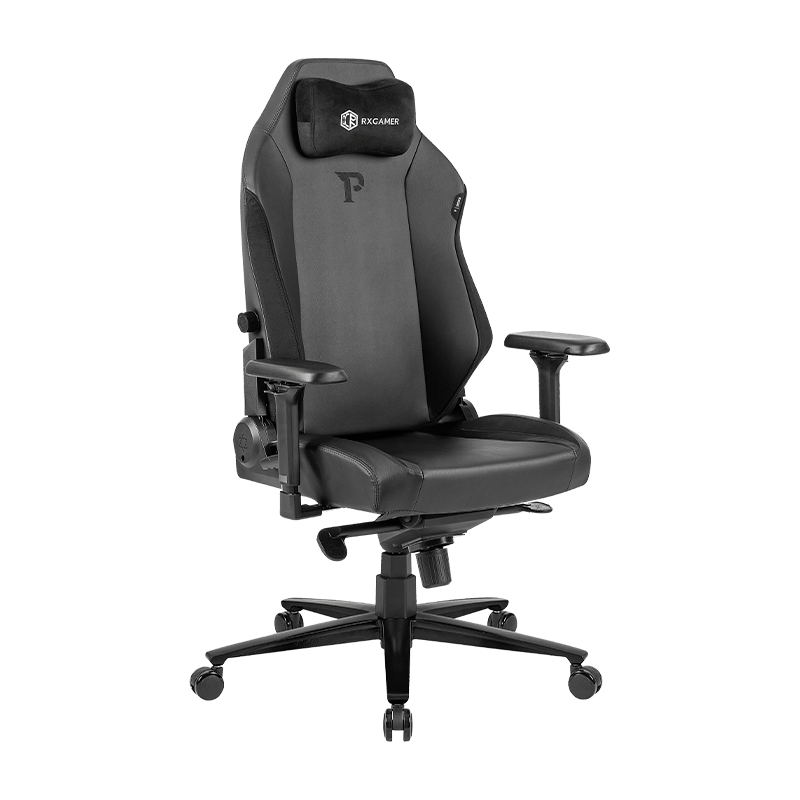
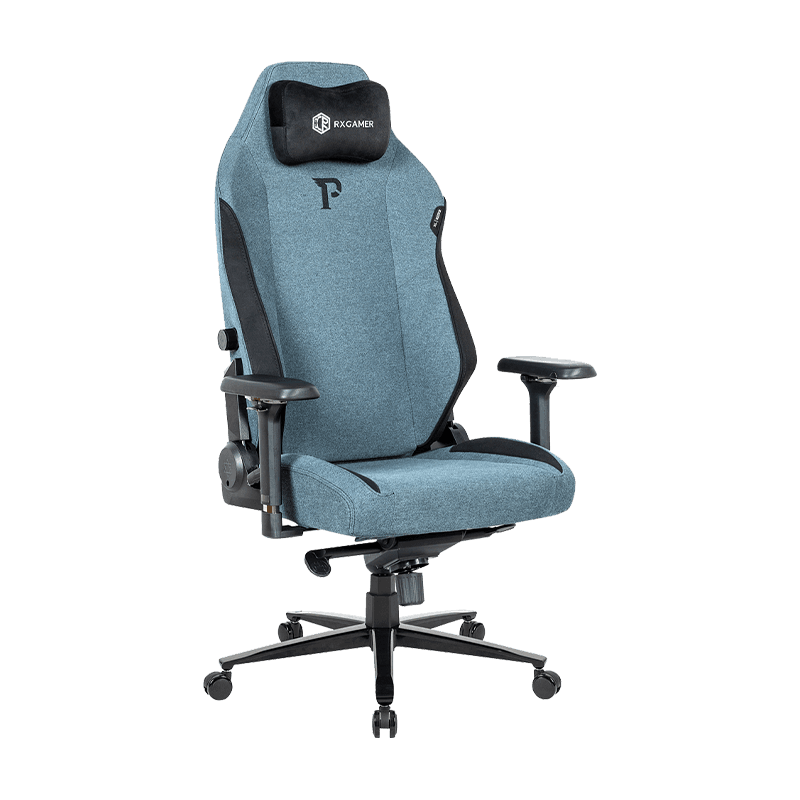
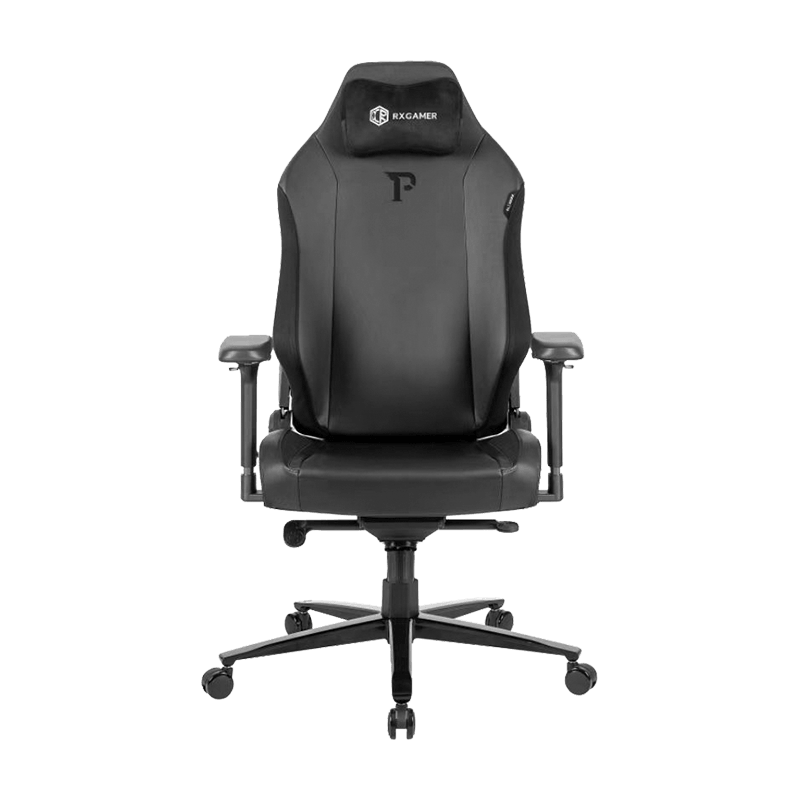
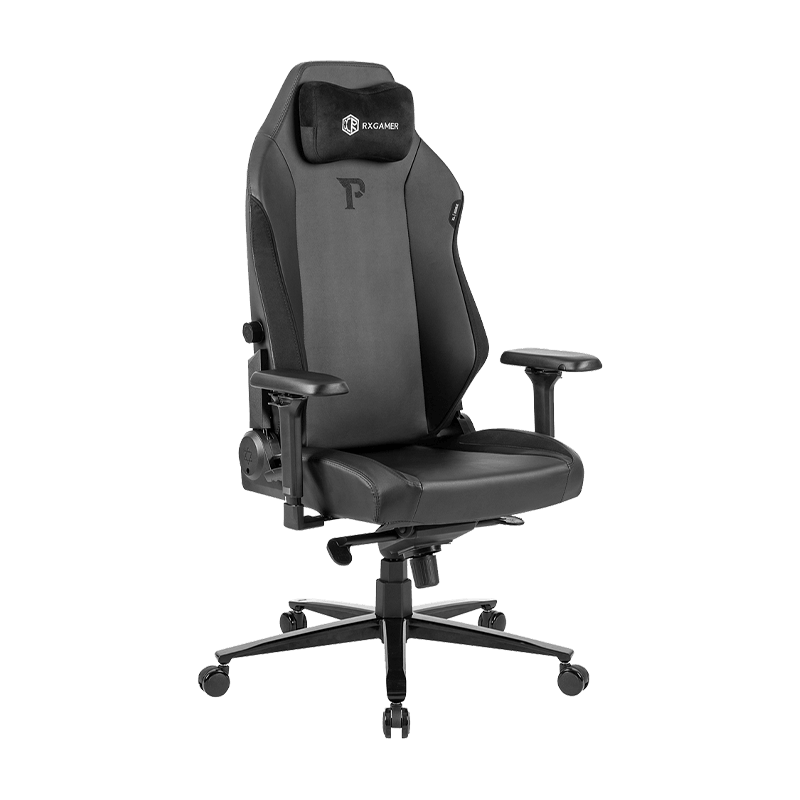
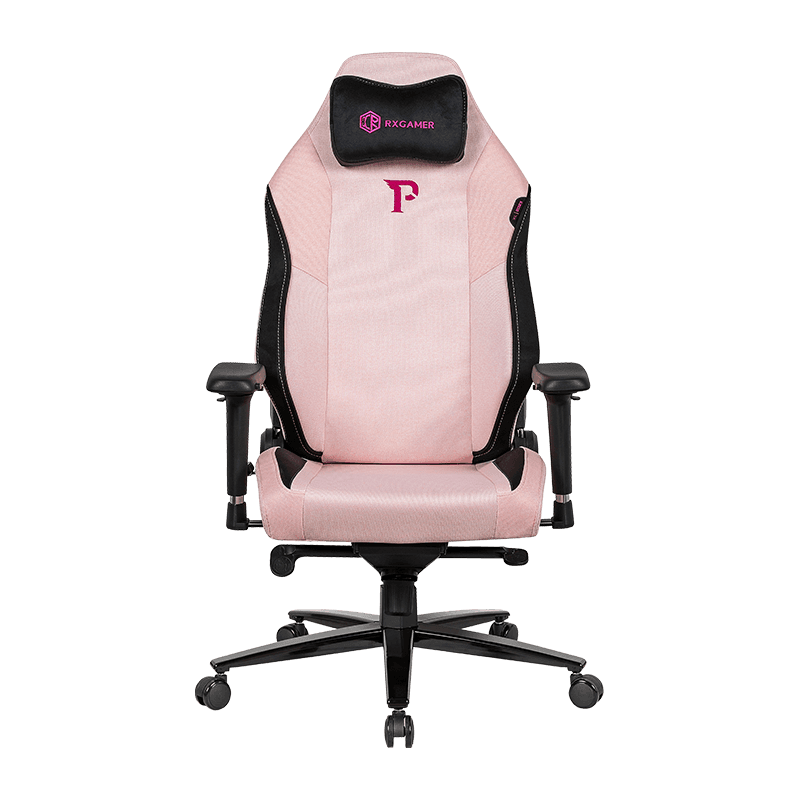
While premium silent office chairs require higher initial investment than budget alternatives, their longevity and continued performance justify the expense. A quality RXGAMER chair maintains its silent operation for years, whereas standard chairs often develop creaks within months. This durability means lower long-term costs and reduced need for replacement.
Understanding Technical Specifications for Silent Performance
When evaluating office chairs for silent operation, certain technical specifications indicate superior performance. Learning to read these specifications helps you make informed purchasing decisions.
Wheel Specifications and Ratings
Professional-grade office chairs specify wheel diameter and material composition. Larger wheels (typically in the 2.6 to 3 centimeter range) roll more smoothly and require less effort to move. The material rating (Class A indicates premium quality) ensures consistent performance across different flooring types. Weight capacity ratings for wheels indicate whether they are designed for heavy-duty use and sustained performance.
Gas Cylinder Standards
The gas cylinder controlling height adjustment should meet or exceed Class 3 or 4 standards, which indicate safety and durability ratings. Higher-rated cylinders provide smoother operation over extended periods. A standard multistage cylinder typically offers 19 or more adjustment positions, allowing fine-tuning of height without noticeable jolt or impact noise.
Base Load Capacity
Bases are typically rated by load capacity (350 pounds or higher for commercial-grade chairs). A properly rated base prevents flex and movement under load, which eliminates vibration and the resulting noise. The electroplating thickness on bases directly correlates with longevity and smoothness of rotation.
Concrete Benefits of Choosing a Silent Office Chair
Beyond the obvious reduction in noise, silent office chairs deliver numerous tangible benefits to users and their work environments.
Productivity Enhancement
Studies indicate that workers in low-noise environments maintain focus significantly longer than those in noisier settings. By eliminating chair-related noise, you remove one of the most persistent sources of workplace distraction. Productivity gains often appear within the first week of transitioning to a silent chair, as workers realize they require fewer interruptions to regain focus.
Reduced Cognitive Fatigue
Your brain processes all auditory input, whether consciously or subconsciously. Working in an environment filled with chair noise creates constant low-level stress that accumulates throughout the day. By the end of an eight-hour workday, this accumulated stress reduces cognitive capacity and increases fatigue. Silent chairs eliminate this daily burden.
Professional Image
In client-facing roles, a squeaking chair can undermine your professional presence during video calls or in-person meetings. A silent chair maintains the professional atmosphere you work to create. This consideration applies equally to therapists, consultants, and service providers who depend on client confidence and comfort.
Team Morale and Culture
Demonstrating consideration for colleagues' work environments through seating choices contributes to positive workplace culture. When team members recognize that noise reduction creates better conditions for everyone, it fosters a spirit of mutual respect and consideration.
Maintaining Silent Operation Over Time
Even the highest-quality silent office chair requires basic maintenance to preserve its quiet performance. Proper care extends the life of your chair while ensuring it remains genuinely silent.
Regular Wheel Cleaning
Dust and debris accumulate on wheels and in the wheel casings over time. This buildup can create grinding sounds when rolling. Regular cleaning with a soft brush removes accumulated lint and particles, restoring smooth, silent operation. Most wheels benefit from cleaning every two to three months, depending on office environment cleanliness.
Joint Inspection
Periodically inspect connection points where the armrests, base, and seat attach to the central column. If you notice any slight play or movement at these connections, tightening fasteners can restore the tight, silent operation that characterized the chair when new. A simple hex wrench or screwdriver is typically all that is required.
Lubricant Application
The gas cylinder and tilt mechanism benefit from periodic silicone-based lubricant application. A light coating reduces friction within the mechanism and maintains smooth operation. Avoid heavy oils or grease that attract dust and can make mechanisms sticky rather than smooth.
Upholstery Care
Regular vacuuming of velvet and fabric surfaces preserves material integrity and appearance. Vacuum with gentle suction to avoid flattening the velvet pile. For spills, immediate blotting with a clean cloth prevents staining and material degradation. Preserved upholstery continues to provide superior sound absorption throughout the chair's lifetime.
Selecting the Right Silent Office Chair for Your Needs
Not all silent office chairs are identical, and your specific workplace requirements should guide your selection process. Consider the following factors when evaluating options.
Flooring Type Compatibility
Different wheel types perform optimally on different flooring surfaces. Hard wheels work better on carpet, while softer PU wheels provide superior performance on hard floors. If your office has mixed flooring, wheels rated for "multi-surface" use offer the best compromise. Testing a chair on your actual flooring before purchase helps confirm compatibility.
Workspace Acoustics
An office with hard surfaces and minimal sound-absorbing materials benefits most dramatically from silent chairs, as every noise reflects and amplifies. Offices with carpeting and soft furnishings may not notice chair noise as readily, though the benefits of quiet operation remain valuable. Understanding your baseline noise environment helps you assess the improvement a silent chair will provide.
Duration of Daily Use
Individuals spending 8 or more hours daily in their chair gain greater benefits from premium ergonomic design and superior materials. Those using chairs occasionally may be satisfied with simpler solutions. However, even part-time users benefit from quiet operation because noise reduction creates a professional atmosphere during client interactions or collaborative work.
Budget Considerations
While premium silent chairs require higher initial investment, calculate the total cost of ownership over five years. A durable chair that maintains silent operation for five years costs less per year than replacing a cheaper chair annually. The enhanced productivity during those five years provides additional value that extends beyond monetary calculations.
Frequently Asked Questions
Q1: What causes office chairs to produce noise?
Office chair noise originates from multiple sources including wheel friction with flooring, joint and connection movement, gas cylinder operation, and vibration of the frame and upholstery. Standard chairs often have loose-fitting components that rattle and vibrate with movement. Silent chairs address each noise source through precision engineering and material selection.
Q2: Are silent office chairs more expensive than standard chairs?
Yes, silent chairs typically cost more initially due to premium materials like velvet upholstery, high-quality PU wheels, and precision manufacturing. However, they last longer and maintain their silent operation longer, making the cost per year of use comparable or even lower than repeatedly replacing cheaper chairs.
Q3: Can I make my existing chair quieter without replacing it?
Some improvements are possible, including cleaning wheels, tightening loose components, and applying appropriate lubricants. However, chairs designed with noise as an afterthought rather than a primary design criterion have limited upgrade potential. A silent chair designed from the ground up for quiet operation will always outperform a modified standard chair.
Q4: How do velvet materials help reduce noise?
Velvet's densely woven structure absorbs sound vibrations rather than reflecting them. The soft fiber texture interrupts sound wave propagation, converting vibration energy into heat within the material. This acoustic property is why velvet is used in professional audio recording studios and concert halls to control sound.
Q5: What wheel size works best for silent operation?
Wheels in the 2.6 to 3 centimeter range provide optimal performance for most users. Larger wheels roll more smoothly and distribute load across a wider contact area, reducing pressure points that cause friction noise. The material (premium polyurethane) matters as much as size for achieving truly silent operation.
Q6: Do silent office chairs work on all types of flooring?
Quality silent chairs perform well on both hard floors and carpet. The key is selecting wheels designed for multi-surface use or the specific flooring type in your space. Testing a chair on your actual flooring before purchasing confirms compatibility and performance.
Q7: How long does a silent office chair typically last?
Premium silent chairs designed and built to commercial standards often last five to eight years or longer with proper maintenance. Standard budget chairs frequently deteriorate within two to three years. The longer lifespan of quality chairs significantly improves their value proposition over time.
Q8: What maintenance does a silent office chair require?
Basic maintenance includes quarterly wheel cleaning, periodic inspection and tightening of connection points, occasional light lubrication of moving parts, and regular vacuuming of upholstery. This simple maintenance regime takes minimal time and preserves the silent operation and comfort of your chair.